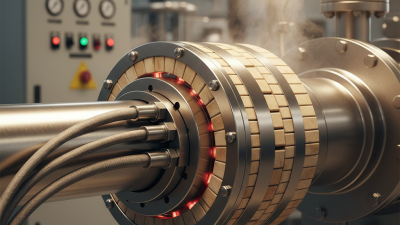
The demand for efficient and reliable heating solutions continues to rise across various industries. Ceramic Band Heater technology plays a crucial role in this evolution. As we approach 2026, emerging trends and innovations in Ceramic Band Heaters are reshaping how manufacturers optimize their processes. These heaters offer precise temperature control and uniform heat distribution.
Recent advancements focus on energy efficiency. Manufacturers are developing innovative materials that enhance performance while reducing energy consumption. The integration of smart technology is another key trend. Smart sensors will provide real-time monitoring and diagnostics, allowing for better maintenance and performance tracking.
Yet, challenges remain. Not all businesses fully understand the benefits of Ceramic Band Heaters. There's room for improvement in educating industry professionals about their potential. As technologies evolve, so must our awareness of their capabilities and applications. Embracing these Ceramic Band Heater innovations is essential for staying competitive.
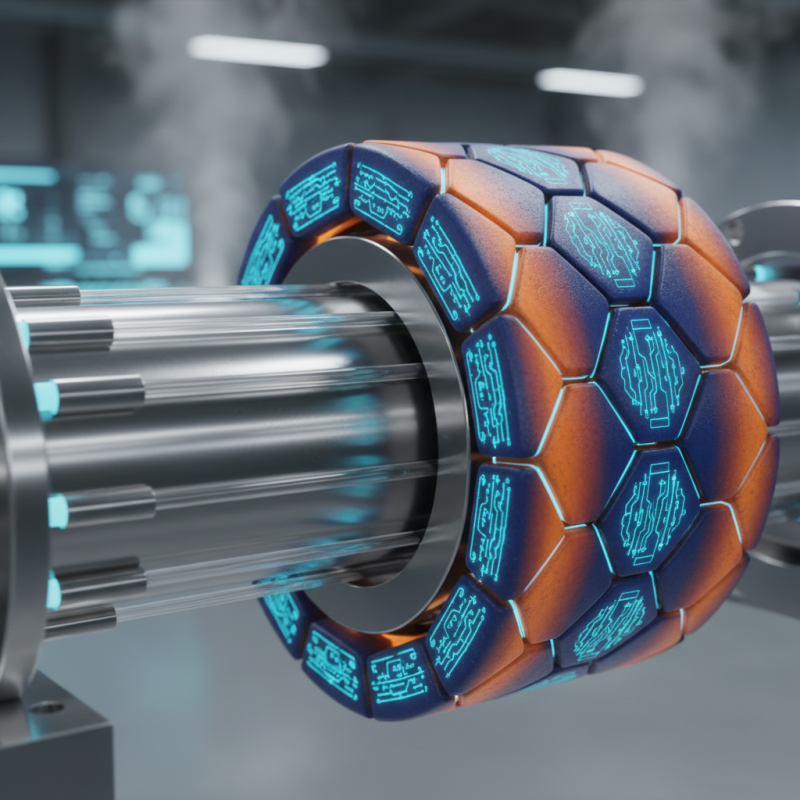
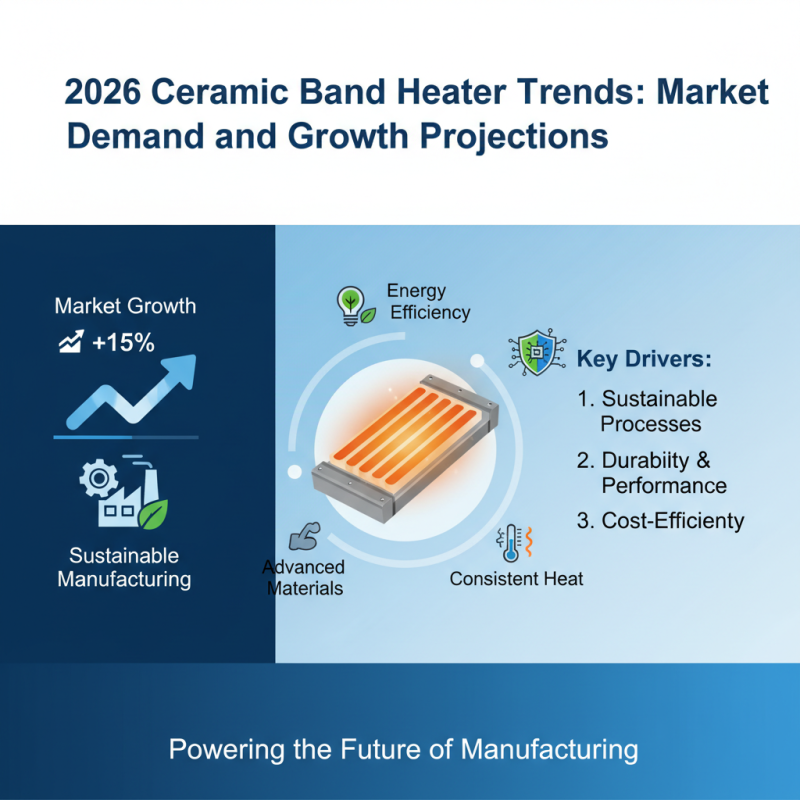
The ceramic band heater market is experiencing notable growth in 2026. As manufacturers focus on energy efficiency, there is an increasing demand for high-performance heating solutions. The industry trends indicate a shift towards advanced materials that provide durability and consistent heat distribution. This evolution is driven by the need for sustainable manufacturing processes.
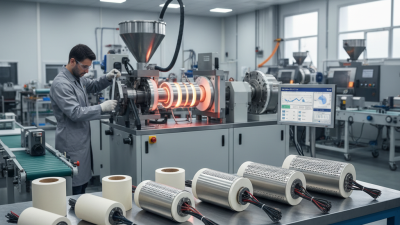
Innovations in design are also noteworthy. Many companies are developing customizable ceramic band heaters to cater to specific applications. This allows for better energy management in various industries, from plastics to food processing. However, there is still a gap in understanding how these innovations align with user needs. Feedback loops between manufacturers and users need improvement to ensure effective solutions.
While technology advances, challenges remain. Ensuring compatibility with existing systems can be complex. Users must be educated on the installation and maintenance of these heaters. Continued research into user-friendly designs will be essential. As demand for ceramic band heaters rises, addressing these complexities can lead to more robust market growth.
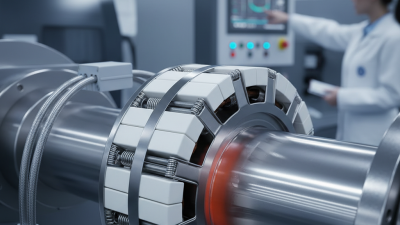
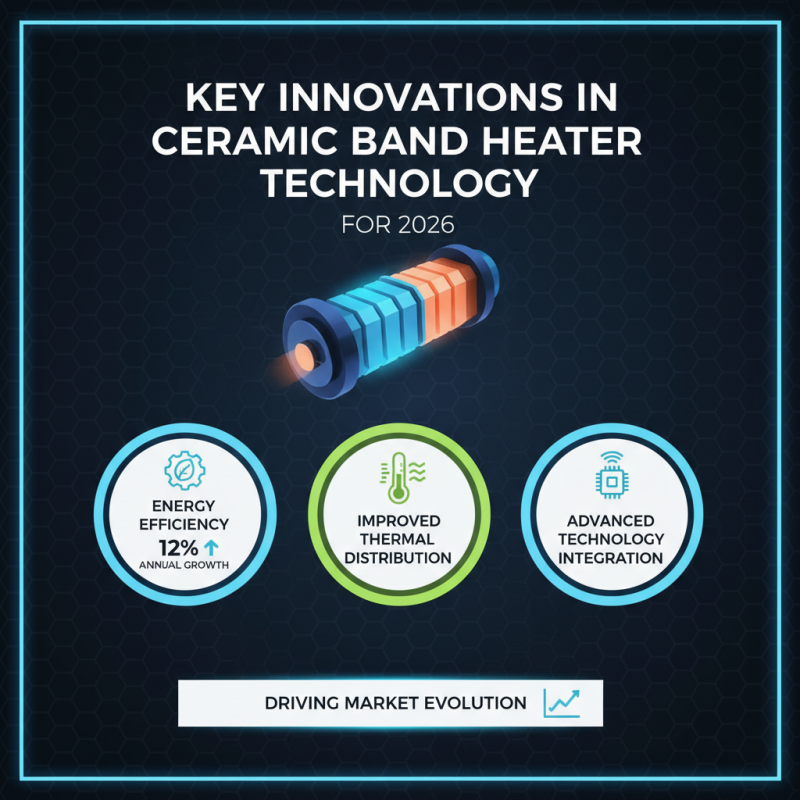
The ceramic band heater market is evolving significantly in 2026. Key innovations focus on improving energy efficiency and thermal distribution. A recent report indicates that energy-efficient heating solutions are projected to grow by 12% annually. This emphasizes the industry's need for advanced technology.
One major trend is the integration of smart sensors. These sensors monitor temperature and power consumption in real-time. They enable precise control and enhance safety. The industry is witnessing a shift towards automation, which leads to a decrease in energy waste. Studies show that efficient systems can reduce costs by up to 30%.
Another notable advancement is the development of new materials that enhance durability. New ceramic composites withstand higher temperatures, extending the lifespan of heaters. This reduces the frequency of replacements, offering long-term savings. However, these innovations also come with challenges. Manufacturers must ensure that these materials remain cost-effective while meeting performance standards. Striking this balance is crucial for widespread adoption in various applications.
Ceramic band heaters have seen significant innovations in recent years, especially in terms of environmental sustainability. The manufacturing processes are now emphasizing eco-friendly materials and reduced energy consumption. Switching to recyclable materials is one trend that enhances the sustainability footprint of these heaters. Companies are also exploring energy-efficient production techniques, lowering their carbon footprint.
Tips for consumers: Look for heaters made from sustainable materials. This choice supports eco-conscious manufacturing practices. Be mindful of the energy usage of the heaters you select. Opting for models that use less power can have a positive impact on the environment.
Environmental sustainability in ceramic band heater manufacturing is not just beneficial; it’s essential. However, some manufacturers still struggle to meet these standards. This reveals a gap in commitment among industry players. Addressing this inconsistency requires a joint effort from manufacturers and consumers. Speaking up for greener options can drive industry changes.
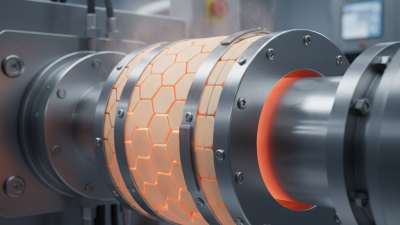
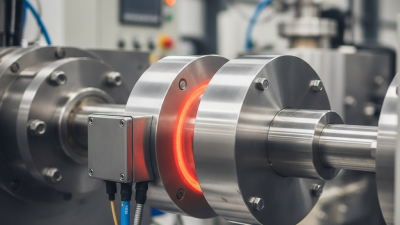
Ceramic band heaters are gaining traction over traditional heating solutions. They offer unique advantages, making them a preferred choice for many heating applications. Unlike standard heaters, ceramic band heaters provide more uniform heat distribution. This results in fewer hot spots and more consistent temperatures throughout the process.
Traditional heating solutions often struggle with efficiency. Many rely on outdated materials and designs. In contrast, ceramic band heaters use advanced insulation techniques. This enhances their thermal efficiency and reduces energy loss. Users can save on energy costs, which is increasingly important in today's market.
Yet, some industries might hesitate. Transitioning to new technologies can be daunting. Initial costs may be higher for ceramic solutions. However, the long-term benefits, like reduced downtime and maintenance, are significant. It's crucial for businesses to consider both short-term and long-term impacts when making this shift. Balancing familiarity with innovation is key in this evolving landscape.
| Feature | Ceramic Band Heaters | Traditional Heating Solutions |
|---|---|---|
| Energy Efficiency | Higher efficiency with lower energy consumption | Generally lower efficiency with higher energy consumption |
| Temperature Uniformity | Excellent uniformity due to advanced ceramic materials | Variable uniformity, often dependent on design |
| Response Time | Faster response times, ideal for precision applications | Slower response times, can lead to overheating or underheating |
| Durability | High durability with resistance to oxidation and corrosion | Less durable, more prone to damage over time |
| Installation and Maintenance | Easier installation with less frequent maintenance | Complex installation, requires more frequent maintenance |
| Cost | Higher initial investment but cost-effective over time | Lower initial cost but higher operational costs |
The ceramic band heater industry faces numerous challenges and opportunities ahead. With the growing demand for energy-efficient heating solutions, manufacturers must adapt to these new market dynamics. Reports suggest that the global ceramic band heater market is projected to grow at a CAGR of 5.5% from 2021 to 2026. This growth is fueled by technological advancements and increased use in various industries, including plastics and food processing.
The challenge lies in sourcing sustainable materials. As regulations tighten, industries must prioritize green technologies. Consumer preference shifts toward eco-friendly products also contribute to this necessity. However, many manufacturers still rely on outdated processes, which can hinder progress. To stay competitive, they must invest in innovative solutions.
Tips: Consider investing in energy-efficient designs. Analyze your current production for eco-friendly upgrades. Collaborating with research institutions can also drive innovation. Addressing these challenges effectively opens up significant opportunities in the ceramic band heater sector, leading to sustainable growth and enhanced product offerings.