2026 Top Infrared Electric Heater Buying Guide for Global Buyers
In today's market, selecting the right infrared electric heater can be overwhelming. The vast array of options makes it challenging for buyers. An informed choice is crucial for effective heating solutions that are energy-efficient.
Infrared electric heaters stand out for their ability to warm spaces quickly. They utilize innovative technology to provide targeted heat. Understanding their specifications can lead to better purchasing decisions. Many consumers find it difficult to navigate the technical aspects, which can lead to regretful choices.
Looking ahead to 2026, the demand for efficient heating continues to rise. Buyers need reliable information to make informed investments. This guide attempts to simplify the buying process. It emphasizes the importance of understanding features, energy consumption, and safety standards. As you consider various models, reflect on your specific needs. Balancing comfort with efficiency is essential.
Understanding Infrared Electric Heaters: Types and Technologies
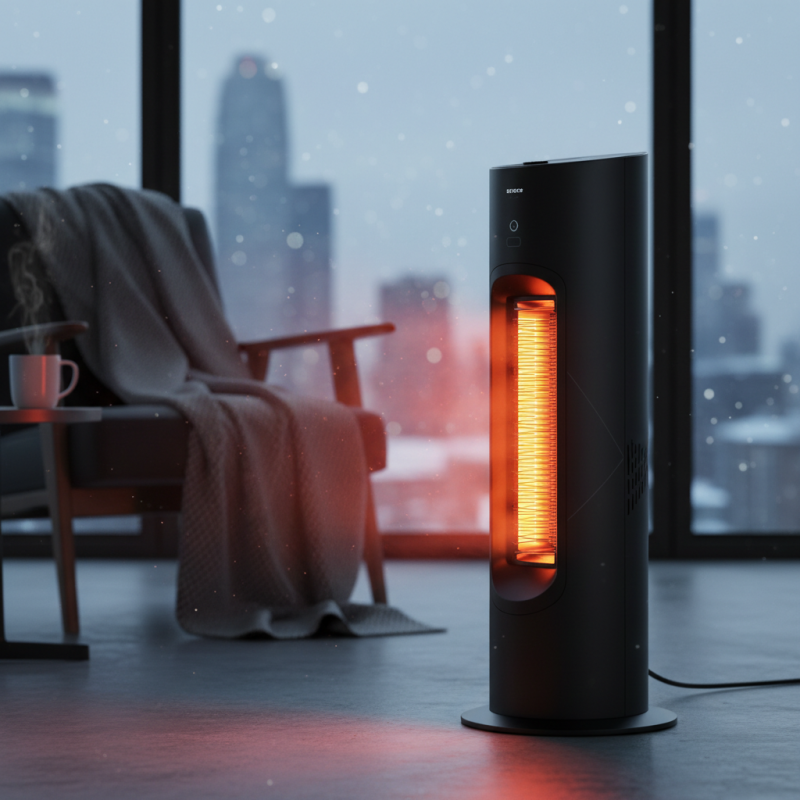
Infrared electric heaters utilize radiation to directly warm objects and people in a space. Unlike traditional heaters, these devices do not rely on air movement. This means they can provide a more consistent and comfortable temperature. They operate by emitting infrared rays, which are absorbed by surfaces and then release heat. This technology is energy-efficient and serves as an eco-friendly approach for heating.
When considering types of infrared heaters, they can be classified mainly into two categories: portable and fixed. Portable heaters offer flexibility and can be moved easily from room to room. Fixed systems are more suitable for permanent installations and often require professional setup. Each type has its advantages and challenges. Portable units can lack power and might struggle in large spaces. Fixed systems usually demand a higher initial investment and installation effort.
Understanding the technologies behind infrared heating is essential. Some models use carbon or quartz elements, each impacting efficiency and warmth distribution. Carbon heaters tend to heat up quickly and are often more energy-efficient. Quartz heaters provide instantaneous heat but may lack longevity. While choosing the right type, consider room size and insulation. Each user’s needs will differ, pointing out that personal experience plays a vital role in making the best decision. While striving for optimized comfort, users must also weigh practicality against energy consumption.
Key Considerations for Choosing the Right Infrared Electric Heater
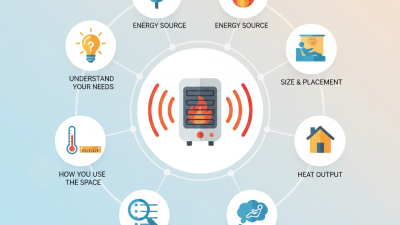
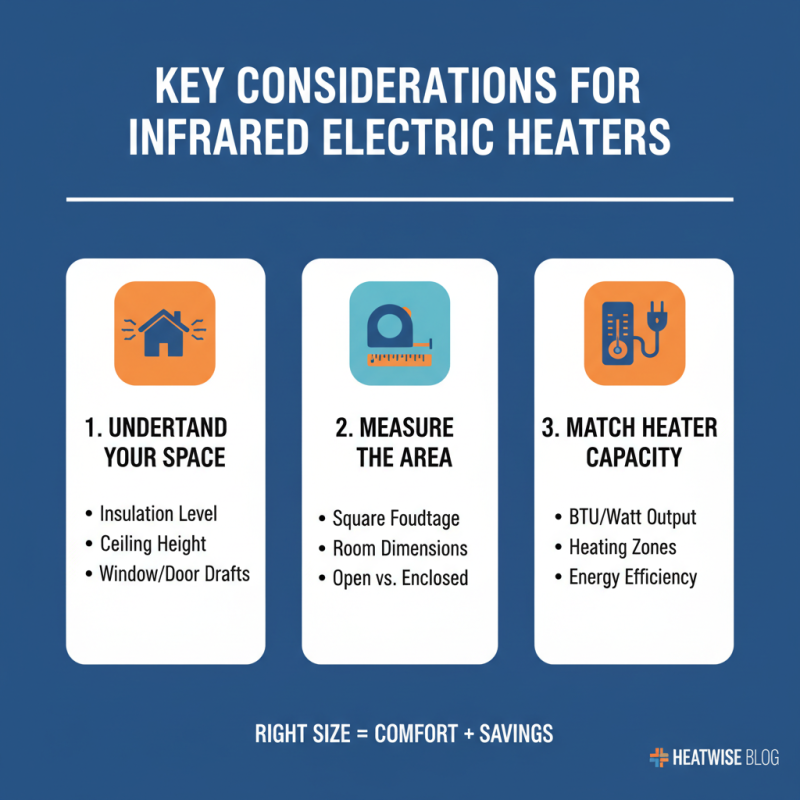
When choosing the right infrared electric heater, several key factors come into play. Understanding your space is critical. Measure the area you intend to heat. Consider factors like insulation and ceiling height. A heater's capacity must align with these specifics. An underpowered unit will leave you cold. Conversely, a heater that’s too powerful may lead to excessive energy costs.
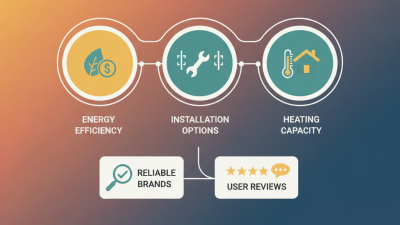
Heating efficiency is crucial. Look for models with high energy ratings. Energy-efficient heaters not only warm spaces effectively but also save on bills. Look for heater types, such as portable or wall-mounted, based on your needs. Portable heaters offer flexibility, while wall-mounted units can save space.
Safety features cannot be overlooked. Automatic shut-off mechanisms are essential, especially in homes with pets or children. Some devices also have cool-touch exteriors, reducing burn risks. Read reviews from authentic sources for insights into performance. It’s worth considering that online reviews are sometimes inflated. Gather firsthand feedback whenever possible.
Comparative Analysis of Heater Efficiency: Energy Consumption and Output
When selecting an infrared electric heater, efficiency is paramount. A recent study from the Department of Energy revealed that infrared heaters can have up to 90% heating efficiency. This efficiency means they convert nearly all the energy they consume into heat. In contrast, conventional heaters may only reach 70% efficiency, wasting a significant amount of energy. These figures demonstrate the importance of understanding energy consumption in your heating choices.
Tip: Look for heaters with an Energy Star certification, as these models typically perform better in terms of energy efficiency. Energy consumption varies significantly based on the heater's setting and usage patterns. For example, a heater operating at a higher wattage may heat a space faster, but it will also consume more energy. Balancing wattage and usage is crucial to optimizing performance.
Consider also the output data during heating sessions. Some heaters claim high output but fail to maintain it consistently. Always check reviews and reports verifying the output stability over time. Users often overlook this aspect, leading to dissatisfaction with their purchase. Remember, not all heaters deliver as promised.
Market Trends: Global Demand and Growth Projections for Infrared Heaters
The infrared heater market is witnessing significant growth. According to a report by MarketsandMarkets, the global infrared heater market is projected to reach USD 4.5 billion by 2026, growing at a CAGR of 8.5%. This growth is driven by increasing energy efficiency concerns and the rising demand for eco-friendly heating solutions.
In the past few years, more consumers have shifted towards sustainable heating methods. This trend aligns with global commitments to reduce carbon emissions and promote energy-efficient technologies. Analysts predict that the residential sector will see the largest share of this market, as homeowners prioritize both comfort and efficiency.
Tip: When selecting infrared heaters, look for models with
high energy ratings. This is crucial for cost savings.
As the market grows, challenges remain. Many buyers struggle to find the right product amid various types. Understanding specifications is essential for a smart purchase.
Tip: Always compare product specifications before making a decision. Focus on
wattage,
heating area, and
energy consumption efficiency.
Safety Standards and Certifications for Infrared Electric Heaters in 2026
When considering infrared electric heaters in 2026, safety standards play a crucial role in customer choice. Regulatory bodies in various regions set safety certifications for these heaters. Adhering to standards such as UL (Underwriters Laboratories) in North America and CE (Conformité Européenne) in Europe is vital for manufacturers. These certifications indicate that products meet strict safety criteria, reducing risks like fire and electric shock.
A 2023 report highlighted that about 70% of consumers prioritize safety certifications when buying heaters. This statistic underscores a growing awareness of potential hazards. Infrared heaters can pose risks, particularly if placed too close to flammable materials. Users must read labels carefully. Safety markings should be clear and reliable, yet not all manufacturers maintain consistency in compliance. Consumers often feel uncertain about the reliability of safety claims.
As we move forward, it’s apparent that increased scrutiny on safety should be a priority. Data indicates that over 30% of heater-related incidents result from faulty devices. This shows a need for more rigorous testing and clearer information for buyers. Ensuring that heaters meet evolving safety standards can only enhance both user confidence and overall satisfaction.
Infrared Electric Heater Safety Standards and Certifications in 2026