2026 Top Trends in Ceramic Insulated Band Heaters for Industrial Use?
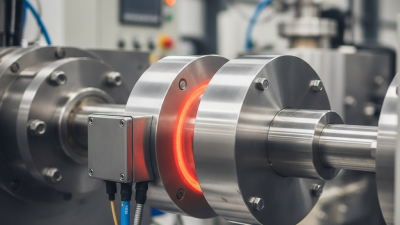
In the evolving landscape of industrial heating solutions, the spotlight is on the Ceramic Insulated Band Heater. Industry expert Dr. Emily Chen emphasizes, “Innovation in heat management is vital for efficiency.” This statement underscores the importance of adopting advanced technologies in manufacturing processes.
The 2026 trends highlight several key developments. First, the efficiency of Ceramic Insulated Band Heaters is on the rise. These heaters minimize energy loss, which is crucial for environmentally conscious operations. Additionally, they excel in temperature uniformity, ensuring consistent heating. However, challenges remain; not all manufacturers have fully embraced these advancements.
Moreover, the market is witnessing a growing demand for customization. Businesses seek tailored solutions to meet specific heating needs. This could lead to increased complexity in production. Companies might struggle to adapt quickly. As the industry evolves, the balance between innovation and practicality becomes essential. Thus, understanding the role of Ceramic Insulated Band Heaters is more important than ever.
Current Advances in Ceramic Insulated Band Heater Technology
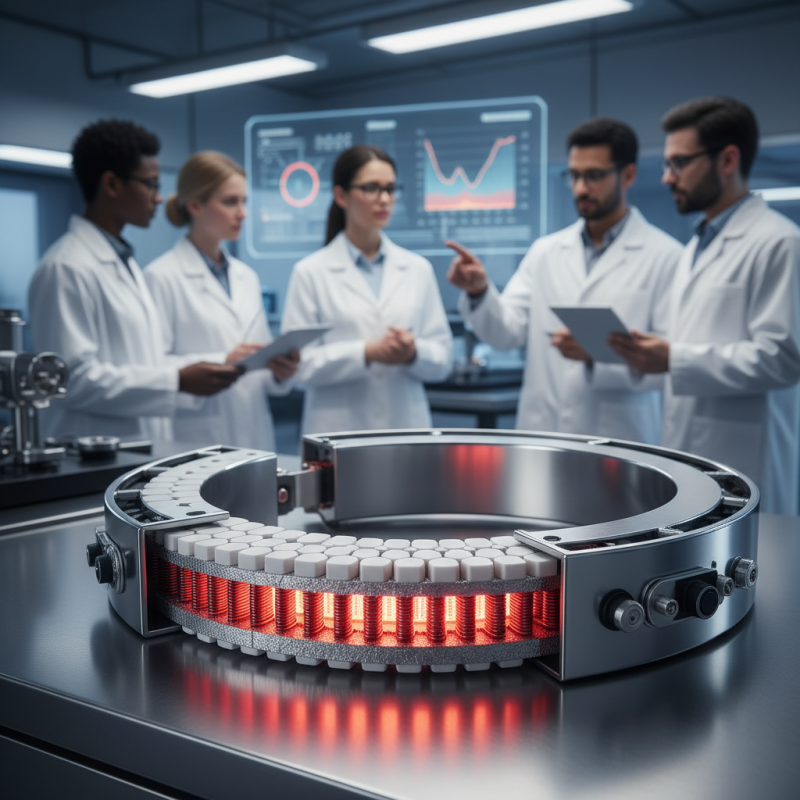
The ceramic insulated band heater technology is evolving rapidly. Recent industry reports indicate a growing interest in energy efficiency. Manufacturers are now focusing on reducing energy consumption by up to 30%. This is crucial for industries that prioritize sustainability.
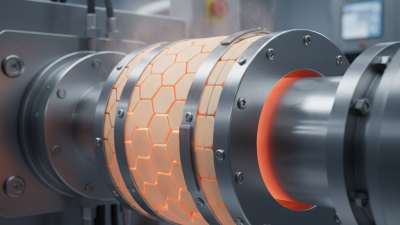
One notable advancement is the integration of advanced materials. These materials enhance heat retention and distribution. For instance, the latest designs feature high-density ceramic insulation. This can significantly reduce the surface temperature of heaters. However, challenges remain in finding the right balance between efficiency and heat-up time.
Tips: Consider using heaters that offer better insulation for your application. Examine energy testing reports before making a purchase. Look for products with real-world efficiency data.
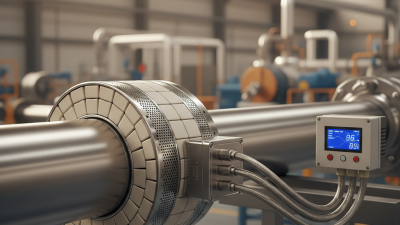
In addition, real-time monitoring systems are becoming standard. These systems can provide live feedback on heater performance. Some manufacturers still face difficulties in implementing these technologies. Regular updates and maintenance are needed to ensure optimal operation. Integrating data analytics will also play a key role in future developments.
Key Features Driving the Popularity of Ceramic Insulation
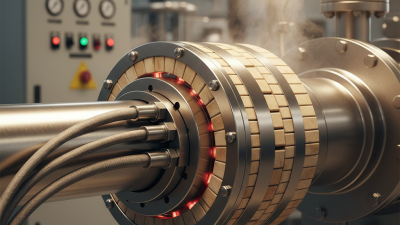
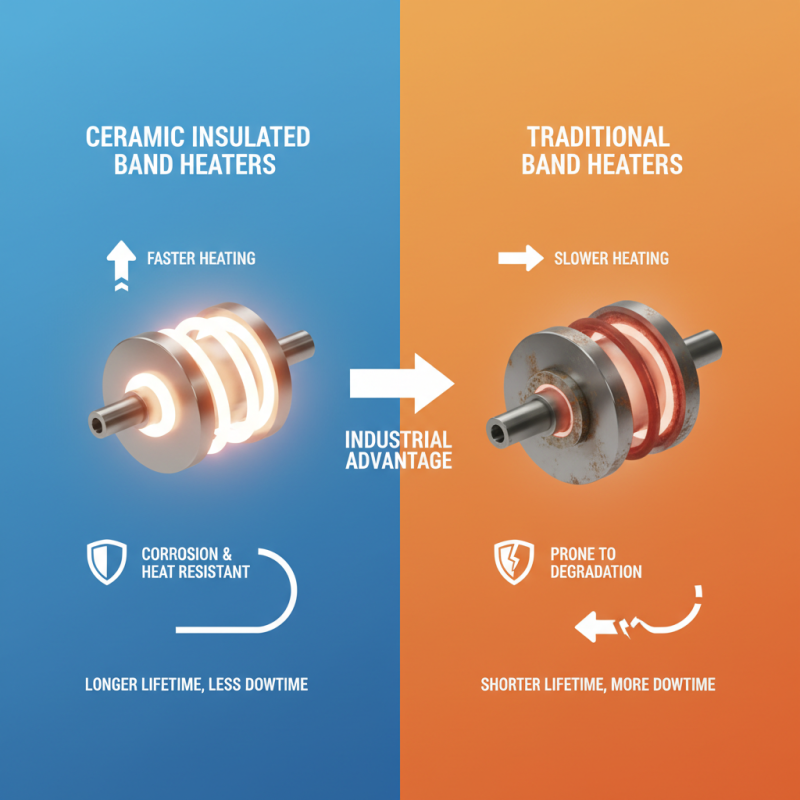
Ceramic insulated band heaters are transforming industrial heating applications. Their popularity stems from several key features that enhance efficiency and performance. Increased thermal stability is one major advantage. According to recent industry reports, ceramic insulators can withstand higher temperatures without degrading. This capability leads to longer lifespan and reduced maintenance costs.
Energy efficiency is another driving factor. Ceramic insulation minimizes energy loss compared to traditional materials. In fact, studies reveal that businesses can save up to 30% on energy costs when switching to ceramic insulated heaters. This efficiency not only benefits the environment but also supports the bottom line.
Tips: Regularly inspect insulation integrity to maximize performance. Even minor damage can decrease efficiency. Also, keep in mind that initial costs may be higher, but long-term savings make it worthwhile. It's essential to weigh short-term expenses against future benefits.
Applications of Ceramic Insulated Band Heaters in Industry
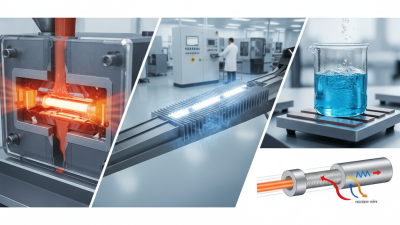
Ceramic insulated band heaters are becoming increasingly vital in various industrial applications. They provide efficient heat management for machinery and process equipment. This innovation enhances temperature control, crucial for industries like food processing, plastics, and chemicals. Operators appreciate the way these heaters maintain consistent temperatures while minimizing heat losses.
In food processing, they ensure even heating of products, which is essential for quality. However, challenges remain. Inconsistent installation can lead to hotspots. This uneven distribution might harm production quality. During plastic molding, maintaining the right temperature prevents material degradation. Yet, improper use can lead to energy waste.
Ceramic insulated band heaters also find applications in metal processing. Their quick response time improves operational efficiency. But, without proper maintenance, performance may decline over time. Users must regularly inspect connections and insulation integrity. This ongoing attention can help mitigate potential issues, ensuring these heaters perform at their best.
Future Predictions: Evolving Trends for 2026 in Band Heating Solutions
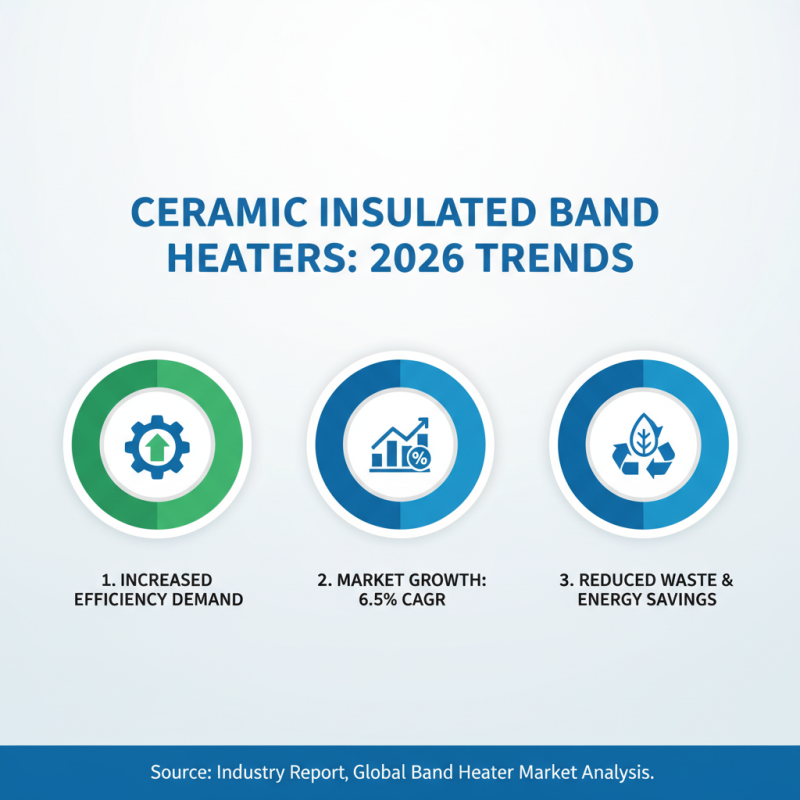
As we look toward 2026, the trends in ceramic insulated band heaters are evolving. The demand for more efficient heating solutions has risen significantly. According to a recent industry report, the global market for band heaters is expected to grow at a CAGR of 6.5%. This highlights a shift toward technology that boosts energy efficiency and reduces waste.
One emerging trend is the integration of smart technologies. These solutions include IoT connectivity, allowing manufacturers to monitor heater performance in real time. Such advancements offer potential cost savings. Yet, challenges remain. Many companies face difficulties in implementing these technologies effectively.
Another notable trend is the focus on sustainability. Ceramic insulated band heaters consume less energy, thus lowering carbon footprints. Industry data suggests that reducing energy consumption by just 10% can lead to significant operational savings. However, transitioning to sustainable practices demands investment and time. Some manufacturers may hesitate due to perceived upfront costs.