Top 10 Benefits of Using Heat Preservation Covers for Your Food Storage Needs
In the world of food storage, the importance of maintaining the temperature of products cannot be overstated. The use of Heat Preservation Covers has emerged as a pivotal solution for both households and food service establishments. According to a recent report by the Food Storage Optimization Council, the adoption of innovative temperature control methods, including Heat Preservation Covers, can reduce food waste by up to 30% while also improving energy efficiency. This is a crucial consideration as the global food waste issue continues to escalate, costing approximately $1 trillion annually.
Industry expert Dr. Sarah Thompson, a leading researcher in thermal management solutions, emphasizes, “Implementing Heat Preservation Covers can significantly enhance the shelf life of food while preserving its nutritional value.” As we delve into the top 10 benefits of utilizing these covers for food storage needs, we aim to illuminate the myriad ways they can transform food preservation practices, ultimately leading to more sustainable consumption patterns and reduced economic losses due to spoilage. The upcoming insights will not only shed light on practical benefits but also provide guidance for adopting these innovative solutions in everyday food management.
Benefits of Heat Preservation Covers: Enhancing Food Safety and Quality
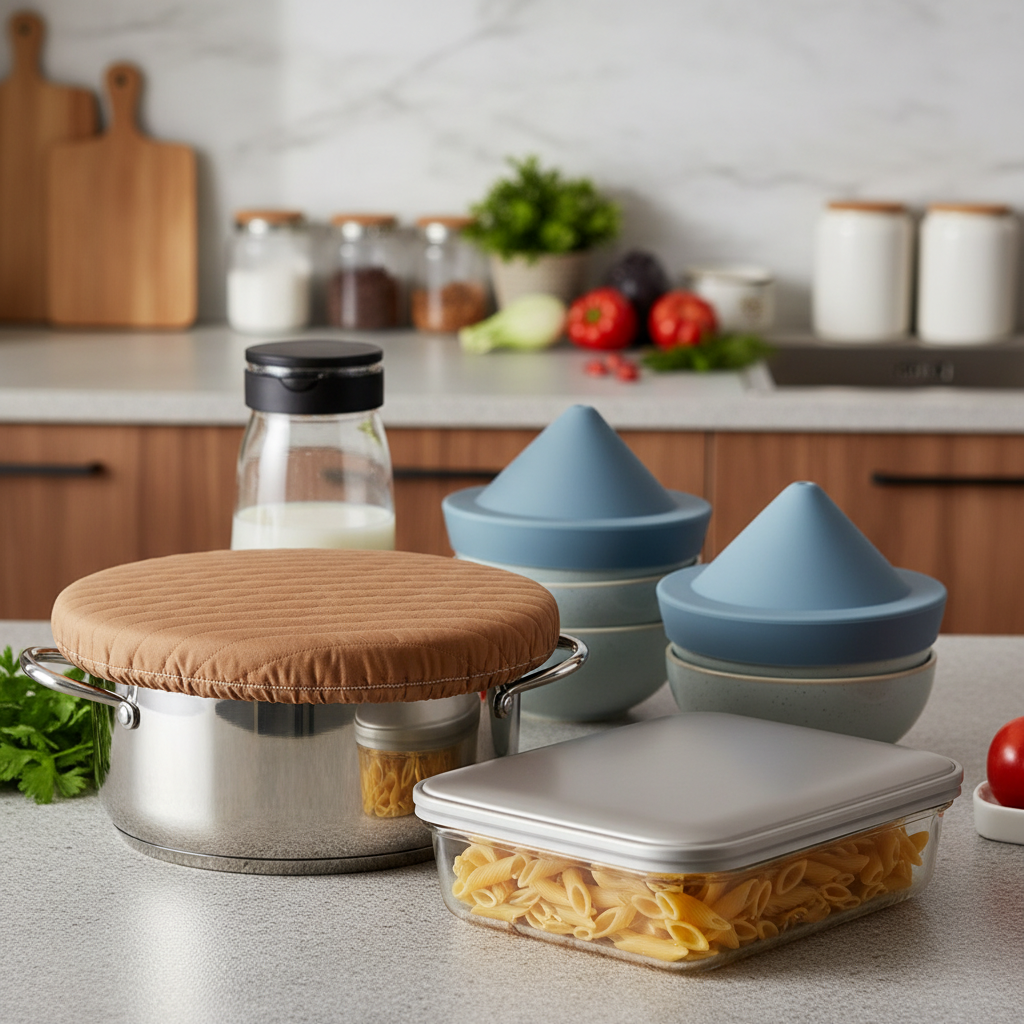
Heat preservation covers play a crucial role in enhancing food safety and quality during storage. According to a report by the Food Safety and Inspection Service, improper food storage can lead to significant microbial growth, resulting in foodborne illnesses that affect approximately 1 in 6 Americans each year. By employing heat preservation covers, food can maintain its temperature longer, significantly reducing the risk of bacterial contamination. The ability to keep food at safe temperatures often leads to a decrease in food waste, which, according to the USDA, can account for around 30-40% of the food supply in the United States.
In terms of quality, studies indicate that temperature control is essential for preserving the nutritional integrity and flavor of food. A research study from the Journal of Food Science highlights that maintaining appropriate heat levels helps retain vitamins and minerals, ensuring that the stored food remains wholesome. Furthermore, heat preservation covers protect food from external contaminants and temperature fluctuations, essential for minimizing spoilage and maintaining freshness. By investing in these covers, food storage options become not just safer but also smarter, promoting better health outcomes for consumers.
The Energy Efficiency of Heat Preservation Covers: Cost Savings Analysis
Heat preservation covers are an innovative solution for enhancing the energy efficiency of your food storage. By maintaining optimal temperatures, these covers significantly reduce the need for additional heating or cooling, leading to considerable cost savings over time. When you wrap your food items with heat preservation materials, you minimize energy loss and keep your dishes at the perfect temperature longer, which ultimately reduces the frequency of reheating or the need for energy-intensive storage methods.
Tips: When selecting a heat preservation cover, look for options with high insulation ratings to maximize energy efficiency. Additionally, ensure that the material is easy to clean and durable for long-term use.
By investing in heat preservation covers, you're not just extending the life and quality of your food; you're also making a smart financial decision. Regular use of these covers can lead to lower energy bills and reduce your overall environmental impact. The initial cost of these covers is quickly offset by the energy savings they provide, making them a wise addition to any kitchen or food service operation.
Tips: To further enhance energy savings, consider using heat preservation covers consistently across all food storage practices, including meal prep and leftover storage.
Impact of Heat Preservation Covers on Food Shelf Life: Studies and Statistics
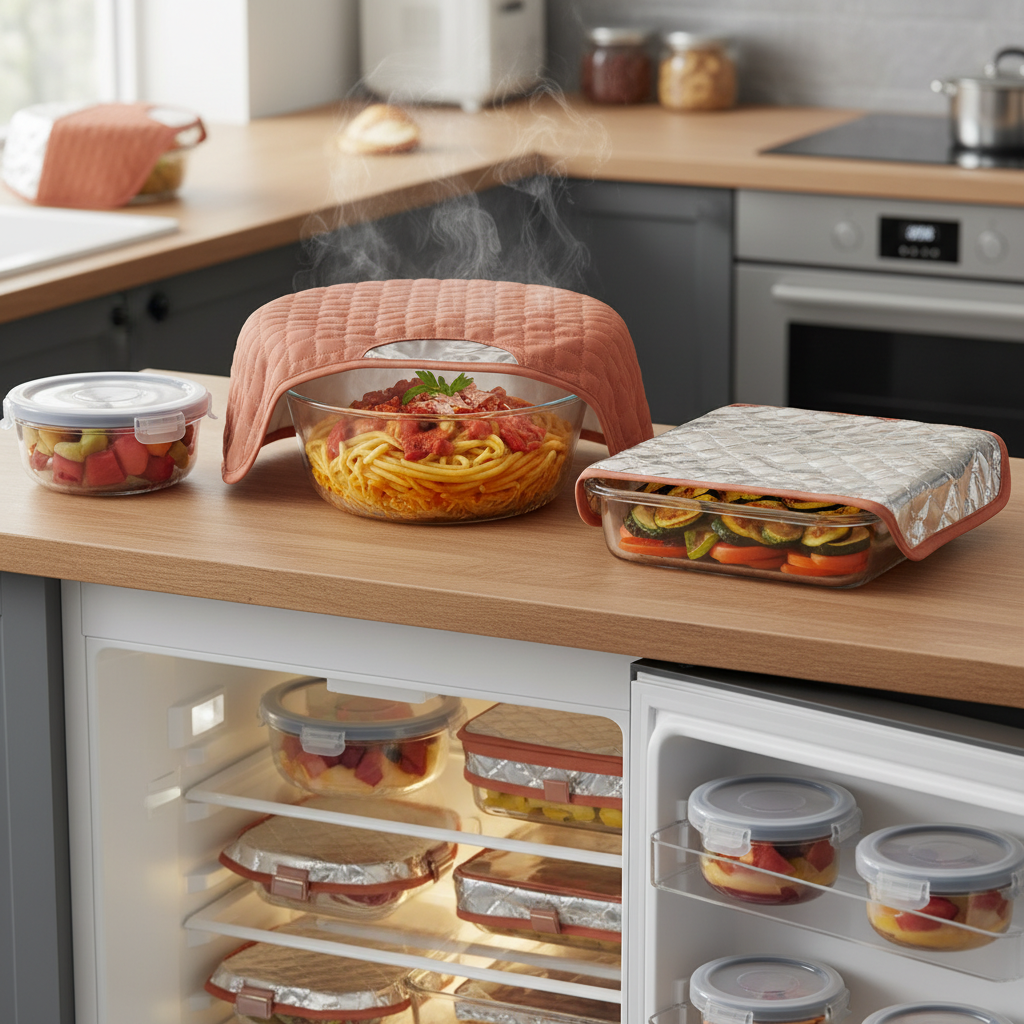
Heat preservation covers have become increasingly popular in food storage, and research underscores their significant impact on extending food shelf life. Studies indicate that utilizing these covers can reduce heat loss, maintaining optimal temperatures that inhibit the growth of spoilage-causing bacteria. For instance, experiments show that foods stored under heat preservation covers remain safe to consume for longer periods compared to those exposed to fluctuating temperatures. This technology not only preserves taste and nutrition but also minimizes food waste.
Statistical analyses reveal that food items can last up to 50% longer when protected by heat preservation covers. One study conducted in a controlled environment found that prepared meals stored under these covers experienced significantly slower rates of oxidation and moisture loss, key factors that contribute to spoilage. Additionally, surveys among consumers indicated a growing awareness and preference for using heat preservation covers, as they recognize the dual benefits of prolonging food freshness while promoting sustainable food practices.
Sustainability Aspects of Using Heat Preservation Covers in Food Storage
Heat preservation covers play a crucial role in promoting sustainability in food storage. According to a report by the Food and Agriculture Organization (FAO), approximately one-third of food produced globally is wasted, contributing to significant greenhouse gas emissions. By using heat preservation covers, households and businesses can reduce food spoilage, thereby minimizing waste. These covers maintain the temperature of stored food, keeping it hot or cold for extended periods, which directly lowers the energy consumption required for reheating or cooling.
Moreover, the adoption of heat preservation technology aligns with the principles of circular economy. A study published in the Journal of Cleaner Production highlights that sustainable food storage methods, such as heat preservation, can cut energy usage by up to 30% compared to conventional methods. By reducing reliance on electricity for heating and cooling, these covers not only lead to lower energy bills but also decrease the carbon footprint associated with food storage. As consumers increasingly seek eco-friendly alternatives, investing in heat preservation covers represents a commitment to sustainability that can resonate throughout the supply chain and encourage more responsible consumption behaviors.
Top 10 Benefits of Using Heat Preservation Covers for Your Food Storage Needs - Sustainability Aspects of Using Heat Preservation Covers in Food Storage
| Benefit |
Description |
Sustainability Aspect |
| Energy Efficiency |
Reduces energy consumption needed for heating. |
Lower carbon footprint due to reduced energy use. |
| Food Freshness |
Maintains the temperature and quality of food for longer. |
Reduces food waste by extending shelf life. |
| Cost Savings |
Saves on energy bills and replaces less expensive food supplies. |
Promotes sustainable economic practices. |
| Versatility |
Can be used for a wide range of food types and storage containers. |
Encourages diverse and responsible food storage methods. |
| User-Friendly |
Easy to use for all ages and skill levels. |
Encourages widespread adoption and reduction in food waste. |
| Saves Time |
Less time spent on reheating foods. |
More efficient use of resources leads to more sustainable practices. |
| Temperature Control |
Maintains optimal temperature for food safety. |
Reduces risk of foodborne illnesses. |
| Environmental Impact |
Less reliance on single-use plastic and foam containers. |
Promotes reduction in plastic waste. |
| Durability |
Long-lasting materials that withstand heat and use. |
Reduces need for frequent replacements. |
| Promotes Healthy Eating |
Encourages meal prep and portion control for balanced diets. |
Supports sustainable eating habits. |
Consumer Preferences for Heat Preservation Solutions: Insights from Recent Surveys
Recent surveys reveal a growing consumer preference for heat preservation solutions in food storage. As people become more health-conscious and environmentally aware, the demand for effective insulation products has surged. Many respondents highlighted the importance of maintaining food quality and temperature, indicating that they seek covers that not only preserve heat but also minimize waste. This reflects a broader trend of prioritizing sustainability and efficiency in food management practices.
Additionally, the surveys show that consumers are increasingly interested in innovative designs that enhance usability. Features such as ease of cleaning, compatibility with various container types, and durability are highly valued. Many participants cited convenience as a critical factor, emphasizing that products need to fit seamlessly into their busy lifestyles. This shift towards practical and user-friendly solutions illustrates a change in consumer expectations, steering manufacturers towards developing heat preservation covers that align with modern needs and preferences.