Top 10 Benefits of Heat Tracing Systems for Industrial Applications?
Heat Tracing Systems play a crucial role in various industrial applications. According to a recent report by MarketsandMarkets, the global heat tracing market is expected to reach $4.3 billion by 2025. This growth highlights the increasing importance of maintaining optimal temperatures in processes and equipment.
John Smith, a renowned expert in heat management technologies, said, "Effective heat tracing minimizes energy costs and enhances system efficiency." This statement underscores the tangible benefits of implementing Heat Tracing Systems. These systems help prevent freezing, maintain product quality, and reduce maintenance needs.
In addition to these advantages, companies face challenges. Not all systems are effective for every application. Choosing the right technology requires careful evaluation. Proper installation and maintenance can be overlooked, leading to inefficiencies. Yet, with the right approach, Heat Tracing Systems can deliver remarkable results and ensure reliability in demanding industrial environments.
Overview of Heat Tracing Systems in Industrial Applications
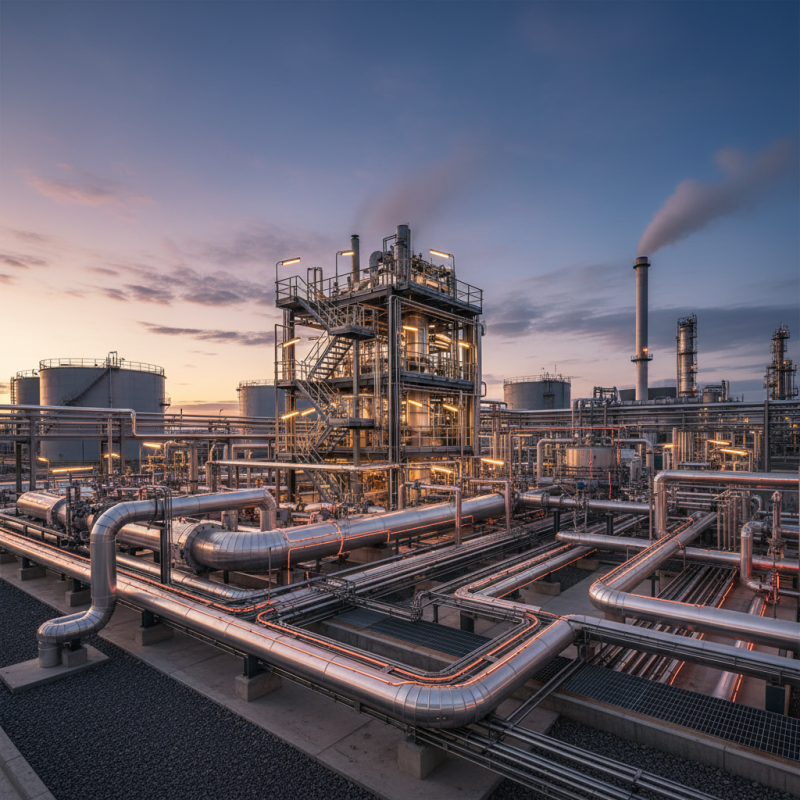
Heat tracing systems are essential in various industrial applications. They provide consistent temperature control, ensuring that materials remain in optimal condition. For instance, according to industry reports, up to 60% of process failures are tied to temperature inconsistencies. These systems help reduce such risks significantly.
One of the primary benefits of heat tracing is the prevention of fluid freezing in pipes. In colder climates, processes can halt if fluids freeze. Maintaining a steady temperature ensures a smooth operation year-round. Moreover, these systems can enhance energy efficiency. A study noted that industrial facilities could save up to 30% on energy costs with properly managed heat tracing.
Tips: Regularly inspect your heat tracing systems. Look for wear and tear that may affect performance. Staff training is also crucial. Ensure workers understand how to operate and maintain these systems effectively. This could lead to fewer errors and better safety practices.
Enhanced Process Control Through Heat Tracing Technologies
Heat tracing technologies offer significant advantages in enhancing process control within industrial applications. By maintaining the desired temperature in pipes and tanks, these systems prevent freezing and ensure consistent product quality. According to a recent report by the International Society for Automation, using heat tracing can reduce thermal losses by up to 80%. This efficiency translates into substantial energy savings and operational reliability.
Maintaining optimal temperatures also minimizes the risk of product degradation. For instance, in chemical processing, temperature fluctuations can lead to unwanted reactions. A case study revealed that implementing heat tracing reduced product variability by 30%. However, not all installations are flawless. Improperly calibrated systems can exacerbate issues rather than resolve them. Continuous monitoring and adjustment remain critical in achieving the full benefits of heat tracing.
Additionally, heat tracing aids in compliance with industry standards. Companies face strict regulations regarding material storage and processing. A failure in temperature control can lead to costly penalties. Yet, aligning technology with regulatory requirements can be challenging. Many businesses find it hard to maintain the balance. In manufacturing, the pressure to innovate often overshadows reactive maintenance. This can lead to underperformance in process control, where heat tracing should ideally provide a solution.
Energy Efficiency and Cost-Savings Achieved with Heat Tracing
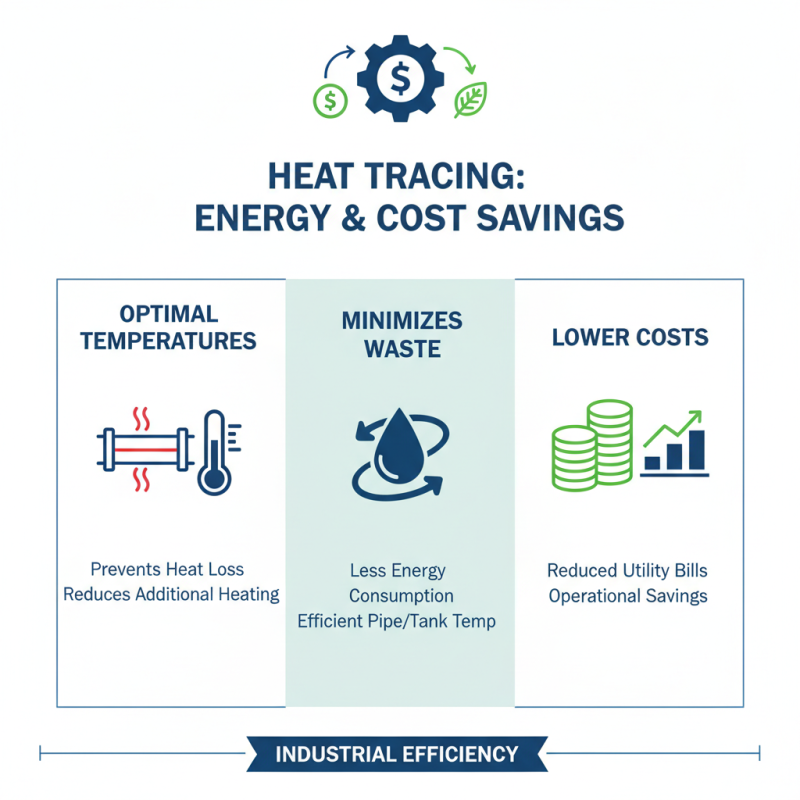
Heat tracing systems offer significant energy efficiency and cost savings in industrial settings. By maintaining optimal temperatures, these systems prevent heat loss and reduce the need for additional heating sources. When pipes and tanks are kept at the right temperature, it minimizes energy waste. This leads to lower utility bills, which is a vital consideration for any facility focusing on operational costs.
Implementing a heat tracing system can be both beneficial and challenging. Initially, the installation can require a substantial investment. Yet, long-term savings usually outweigh these costs. Attention must be paid to the heating elements and their placement. Improper installation can lead to inefficiencies. Regular maintenance is necessary too. Neglecting this can cause energy loss and increased expenses.
Another aspect to consider is energy source selection. Using renewable energy can enhance cost savings and reduce environmental impact. However, not all facilities have access to such resources. This creates a barrier to adopting more efficient heat tracing solutions. Balancing these factors is crucial for maximizing benefits while minimizing expenses.
Improved Safety and Compliance with Heat Tracing Solutions
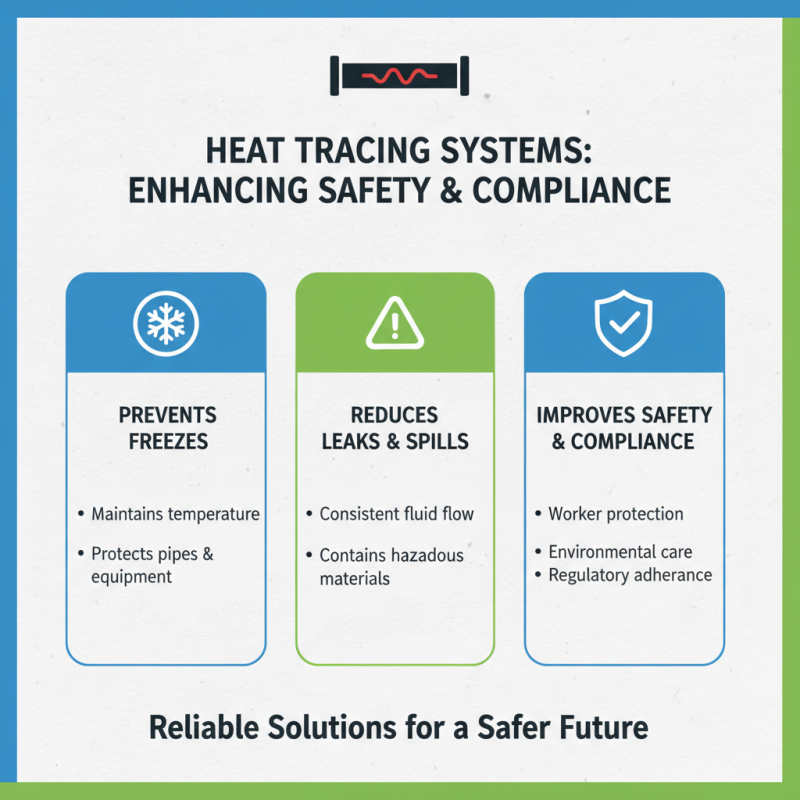
Heat tracing systems play a vital role in enhancing safety and compliance in industrial settings. These systems maintain consistent temperatures in pipes and equipment, preventing dangerous freezes. In addition to preventing heat loss, they reduce the risk of hazardous materials leaking or spilling. With the right heat tracing solutions, companies can ensure that their operations remain safe for workers and the environment.
Compliance with industry regulations is another crucial benefit. Many sectors, such as oil and gas or pharmaceuticals, face strict standards. Properly designed heat tracing systems help meet these requirements. However, these installations require thorough planning and regular maintenance. Without proper oversight, systems can fail, leading to compliance issues. Therefore, it's essential for teams to engage in consistent evaluations of their heat tracing setups.
Moreover, heat tracing solutions also contribute to improved energy efficiency. By maintaining optimal temperatures, facilities can reduce energy waste. This is a compelling argument for sustainability within industrial practices. However, organizations often overlook the long-term savings. They may invest in short-term solutions instead of evaluating their entire system's efficiency. Continuous learning and adaptation are key to leveraging heat tracing systems effectively.
Maintenance and Reliability Benefits of Implementing Heat Tracing
Heat tracing systems play a crucial role in industrial maintenance and reliability. They help maintain consistent temperature levels in pipelines, tanks, and equipment. A recent industry report highlighted that improper temperature control could result in up to 20% production loss. This emphasizes the importance of effective heat tracing systems.
Implementing heat tracing reduces the risk of equipment failure. Maintaining optimal temperatures prevents the freezing of fluids and reduces downtime. A study showed that companies with heat tracing saw a 30% decrease in maintenance costs. These systems are essential for enhancing the lifespan of machinery.
**Tip:** Regularly inspect the heat tracing systems. Early detection of faults can save significant repair costs.
Additionally, using self-regulating cables can increase reliability. These cables adjust their heat output based on the surrounding temperature. This self-regulation means less manual intervention is needed. However, not all systems are perfect. Miscalculations in thermal load can lead to inefficiencies.
**Tip:** Consider thermal modeling during the design phase. It can highlight potential areas for improvement. This proactive approach enhances system performance.