Top Benefits of Using Heater Pipes in Modern Heating Systems?
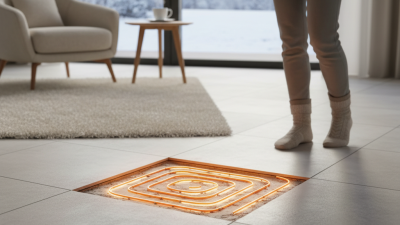
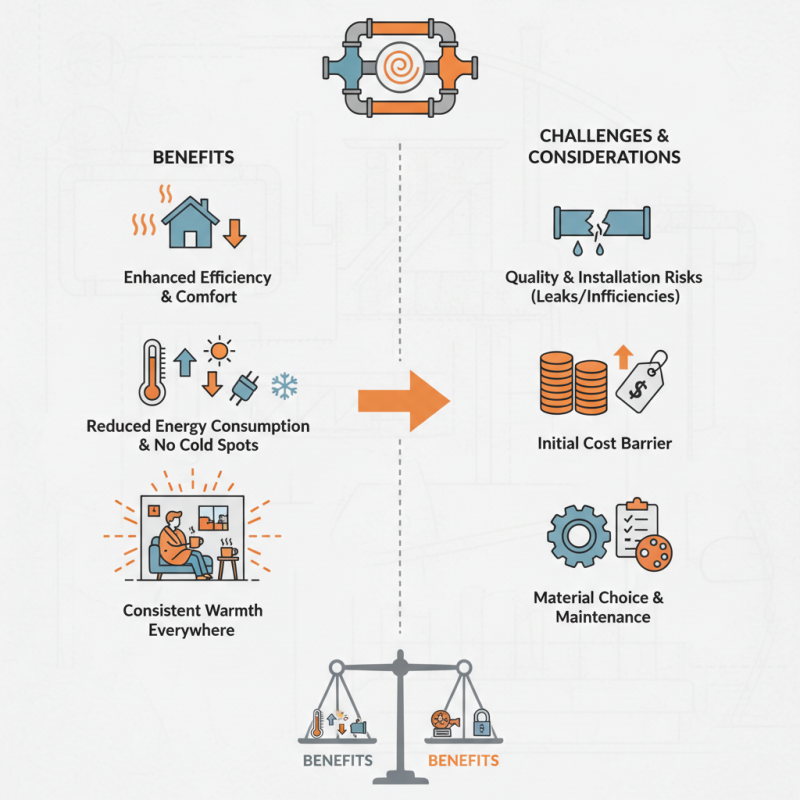
In modern heating systems, Heater Pipes play a crucial role in enhancing efficiency and comfort. These pipes are designed for optimal heat distribution. They can reduce energy consumption by eliminating cold spots in rooms. Imagine a winter morning where every corner of your space feels warm and inviting, all thanks to the strategic layout of Heater Pipes.
However, it is essential to evaluate the quality and installation of Heater Pipes. Poor installation can lead to leaks or inefficiencies, undermining their benefits. Additionally, their initial cost can sometimes deter potential users. Reflecting on these challenges is vital for making informed decisions.
Incorporating Heater Pipes is not just about installation; it’s about choosing the right materials and maintenance practices. With careful planning, these systems can significantly enhance the heating experience. Ultimately, understanding their strengths and limitations will provide a better foundation for modern heating solutions.
Top Benefits of Using Heater Pipes in Modern Heating Systems
Heater pipes are transforming modern heating systems in many ways. They offer efficient heat distribution throughout spaces, ensuring every corner feels warm. This method reduces energy waste, which is vital in today’s eco-conscious world. Additionally, these pipes can be integrated with existing systems, making upgrades simple.
One notable benefit is their space-saving design. Unlike traditional radiators, heater pipes can be installed in walls or ceilings. This keeps living areas uncluttered and enhances interior aesthetics. However, proper installation is key. Poor placement can lead to cold spots in rooms, which defeats the purpose. Also, maintenance is essential. Neglecting this can result in leaks or decreased efficiency.
Another advantage lies in how fast they heat up. Heater pipes can circulate warm water quickly, offering immediate comfort. Despite this speed, care should be taken with thermostat settings. Overheating can cause discomfort and unnecessary energy use. Balancing comfort and efficiency remains a challenge. There's always room for improvement and adaptation in modern systems.
Enhanced Energy Efficiency through Improved Heat Transfer Mechanisms
Heater pipes are transforming modern heating systems by enhancing energy efficiency. They achieve this through advanced heat transfer mechanisms. These pipes allow for better conduction of heat, ensuring warmth spreads evenly throughout a space. Improved materials and designs in heater pipes result in less energy waste. Homes become cozier while reducing utility bills.
Incorporating heater pipes might seem straightforward, yet installation can pose challenges. Many homeowners underestimate the planning needed for proper layout and insulation. A poorly designed system may lead to cold spots or overheating. It’s crucial to assess local conditions and climate. A professional evaluation helps address these issues.
Another aspect to consider is maintenance. Heater pipes, like any other system, require regular checks. Neglect can lead to inefficiencies over time. Flushing out deposits or debris ensures optimal performance. Nonetheless, not everyone takes this step seriously, risking long-term benefits. Being proactive about maintenance can truly enhance the functionality of your heating system.
Reduction of Heat Loss: Insulation and Material Advantages of Heater Pipes
Heater pipes play a crucial role in modern heating systems. Their design significantly reduces heat loss, making your space more energy-efficient. By using high-quality insulation materials, these pipes maintain temperature effectively. Insulation wraps help prevent heat from escaping, reducing energy consumption.
The materials used in heater pipes are also vital. Copper and PEX are popular choices. Copper is durable and offers excellent thermal conductivity. PEX, on the other hand, is lightweight and flexible, making installation easier. However, each material has its weaknesses. Copper can corrode over time, while PEX may degrade in certain conditions.
Choosing the right insulation can be challenging, too. Not all insulation types perform the same. Some may not fit in tight spaces, which can lead to heat loss. Understanding the pros and cons of each material is essential. Evaluating your specific heating needs is important for efficiency.
Versatility of Heater Pipes in Various Heating Applications and Systems
Heater pipes are gaining attention in modern heating systems. Their versatility shines across various applications, from residential to industrial settings. These pipes can adapt to different heating mediums, whether water or steam. This flexibility allows for creative heating solutions based on specific needs.
In residential setups, heater pipes can efficiently warm homes. They fit seamlessly into radiant floor heating systems. In industrial scenarios, they serve critical roles in process heating. However, improper installation can lead to inefficiencies. Many may overlook the need for proper insulation. Without it, heat loss becomes a significant issue.
The adaptability of heater pipes also extends to renewable energy systems. They can integrate with solar heating to enhance efficiency. Yet, understanding their limitations is essential. Not all projects benefit equally from this technology. It’s crucial to analyze each situation carefully for the best outcomes.
Top Benefits of Using Heater Pipes in Modern Heating Systems
Long-term Cost Savings: Initial Investment vs. Operating Expenses Analysis
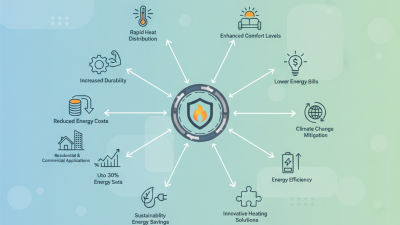
Heater pipes offer significant long-term cost savings in modern heating systems. While the initial investment may be higher, the efficiency of these systems often justifies the expense. According to industry reports, systems with heater pipes can reduce energy consumption by up to 30%. This leads to lower utility bills over time, making them economical in the long run.
Operating expenses should be analyzed carefully. Maintenance costs for heater pipes tend to be lower compared to traditional heating methods. A study indicated that homes with these systems experienced 20% fewer repairs. This adds to overall savings and minimizes disruptions. However, not all heater pipe installations are perfect. Some may require significant upfront remodeling, which can deter homeowners.
Despite potential drawbacks, the combination of reduced energy use and lower maintenance expenses provides a compelling case. Research highlights that consumers often overlook these long-term benefits. Many focus on the immediate costs instead of potential savings. Developing a clearer understanding of the financial impact could help in making more informed decisions.
Conclusion
Heater pipes are becoming an essential component in modern heating systems, offering numerous advantages that enhance energy efficiency and reduce operational costs. By utilizing advanced heat transfer mechanisms, these pipes significantly improve the efficiency of heating systems, leading to lower energy consumption and reduced heating bills. Their design also minimizes heat loss, thanks to superior insulation materials that contribute to better overall performance.
The versatility of heater pipes makes them suitable for a wide range of applications, allowing for effective heating in various settings, from residential to industrial. Although the initial investment may be higher, the long-term cost savings and environmental benefits, such as a lower carbon footprint, make them a sustainable choice. In conclusion, the integration of heater pipes in heating systems represents a forward-thinking approach to energy management and environmental responsibility.