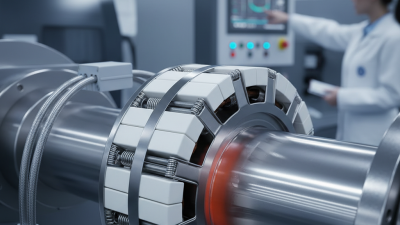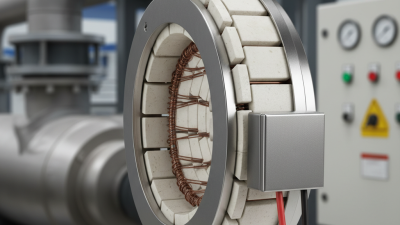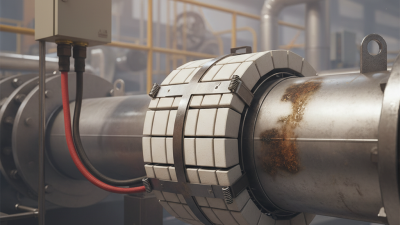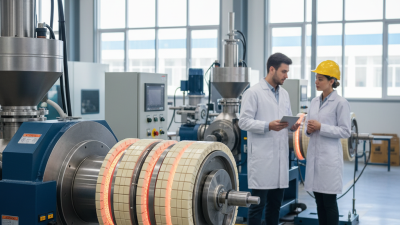
The pursuit of the best "Ceramic Band Heater" options for global buyers in 2026 presents an intriguing challenge. Ceramic band heaters are essential components used in various industrial applications. Their efficiency in heating cylindrical objects makes them popular choices among manufacturers. Understanding their benefits is crucial before making any purchasing decisions.
As the demand for energy-efficient solutions grows, selecting the right heater becomes paramount. Global buyers must consider performance, durability, and reliability. Some options may not meet expected quality standards, leading to inefficiencies in production. While many products claim high efficiency, real-world performance can vary.
Buyers should also reflect on the supplier's reputation. Reliable manufacturers often provide valuable insights into product features and usage. Prospective users must evaluate not only technical specifications but also user experiences. In this evolving market, the right choice hinges on a blend of expert recommendations and careful consideration.

In recent years, ceramic band heater technologies have advanced significantly. These heaters are widely used in various industries due to their efficiency and durability. Their construction allows for faster heating, which can improve overall production timelines. Many manufacturers are now focusing on materials that enhance thermal conductivity. This innovation leads to better heat retention while minimizing energy waste.
Another key development in ceramic band heaters involves smart technology integration. The introduction of sensors and IoT capabilities allows for real-time monitoring. Users can now track performance metrics, enabling more precise temperature control. This means less downtime and reduced costs associated with overheating or equipment failure. However, not all users may understand the complexities behind these features.
While ceramic band heaters are becoming more advanced, they also come with challenges. Some models may require more maintenance due to their complexity. Users must be aware of the potential for increased operational costs. Additionally, as technologies evolve, keeping up with training on these new systems can be daunting. Even with the advancements, not every solution is perfect for every application, prompting buyers to think critically about their needs.
Choosing the right ceramic band heater requires understanding its performance and efficiency. Key factors play a crucial role in ensuring optimal functionality. One significant aspect is the temperature range. Different applications require heaters that can withstand varying levels of heat. Knowing the precise temperature needs is vital for effective operation.
Another essential factor is the design and construction of the heater. The choice of materials affects durability and heating efficiency. High-quality insulation can minimize heat loss, enhancing energy efficiency. The size and fit of the band heater also impact performance. An incorrect fit can lead to uneven heating and potential failures.
How the heater is controlled can influence efficiency. Advanced control systems can adjust the temperature rapidly, providing precision. In contrast, basic systems might waste energy through overheating. Consequently, buyers should consider these elements carefully. Reflecting on the choices made can often reveal areas for improvement.
This chart showcases the temperature efficiency of various ceramic band heaters, highlighting the performance of each option. The data indicates that Heater C exhibits the highest efficiency at 95%, making it a top choice for global buyers.
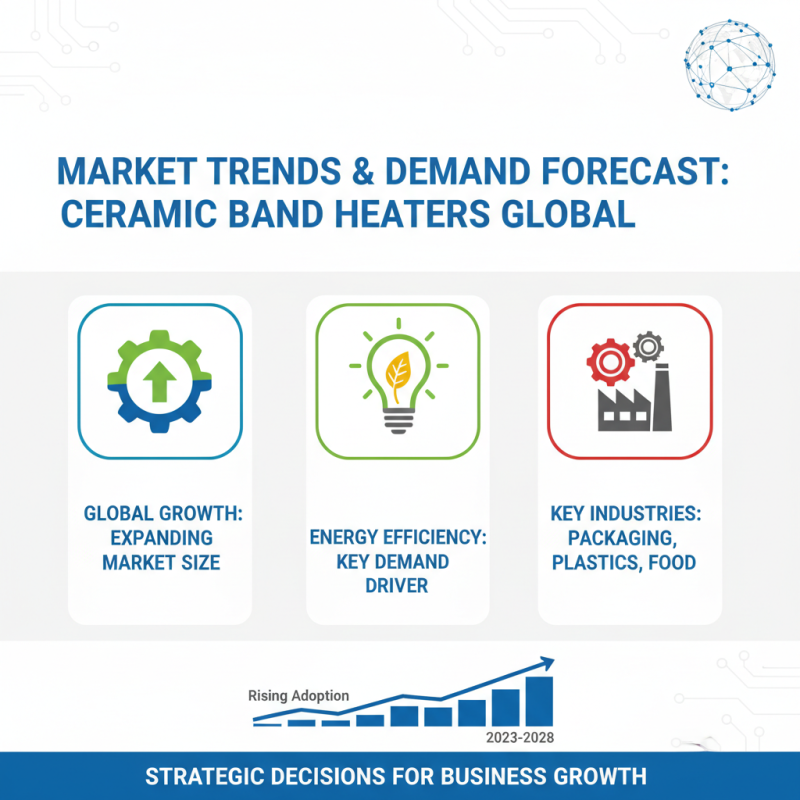
The ceramic band heater market is experiencing significant growth globally. This expansion is largely driven by the rising demand for energy-efficient heating solutions across various industries. Industries such as packaging, plastic injection molding, and food processing are seeking reliable heating products to enhance efficiency. Executives need to stay informed about these market trends to make strategic decisions for their businesses.
As companies focus on sustainability, the demand for high-quality ceramic band heaters is expected to increase. Manufacturers are creating products that not only improve performance but also minimize energy consumption and environmental impact. This shift toward sustainable practices is shaping buyer preferences. Companies must adapt to these expectations to remain competitive.
Tips: When selecting ceramic band heaters, consider factors like temperature range and material compatibility. Evaluate your specific application needs to choose the right heater. It's essential to invest time in researching different options. This helps ensure that you make informed choices that meet both performance and sustainability goals. Each option presents unique advantages and disadvantages, so reflect on your requirements.
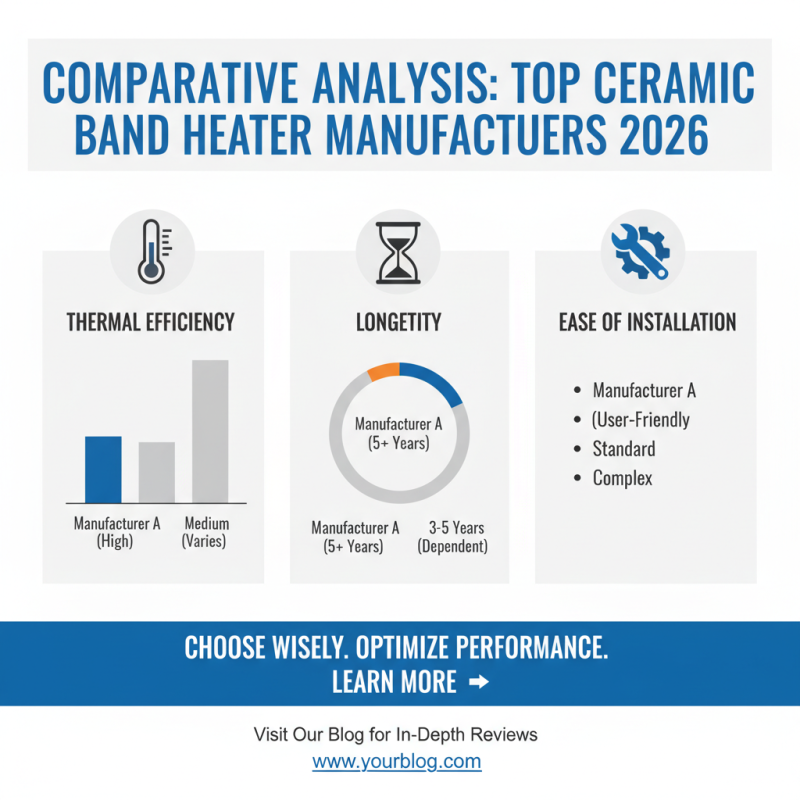
In the quest for the best ceramic band heaters in 2026, buyers face a variety of options. Each manufacturer offers unique features catering to different needs. Consider thermal efficiency, longevity, and ease of installation when making your choice. Evaluating these factors will help you find a heater that truly fits your application requirements.
When exploring top solutions, examine material quality as well. Some manufacturers prioritize high-grade ceramics that enhance performance. Others may leverage innovative designs to improve heat distribution. Understanding these differences is crucial for making informed decisions. Always check product specifications and user reviews, as they can provide insights into reliability and performance.
**Tips:** Focus on energy efficiency for cost savings. Look for heaters with customizable settings that meet specific temperature needs. Remember, not all heaters will excel in every environment, so consider your unique operational context when choosing a ceramic band heater.
Ceramic band heaters are gaining traction across various industries due to their efficiency and versatility. They are commonly used in applications such as plastics processing, food production, and aerospace manufacturing. Each of these sectors requires precise temperature control, which ceramic band heaters provide. The ability to sustain high temperatures while minimizing heat loss is critical in these environments.
In the plastics industry, the need for uniform heating is crucial. A consistent thermal profile ensures quality production, preventing defects in the final products. In food processing, maintaining proper temperatures is not just about efficiency; it also affects safety standards. Despite their advantages, some users report challenges with installation and compatibility with existing systems. This highlights the importance of thorough research before purchase.
The aerospace sector also benefits from the reliability of ceramic band heaters. However, strict regulations and safety requirements can create additional hurdles. Balancing performance with compliance is often a delicate task. Buyers must carefully consider their specific needs and the operational environment. This attention to detail can result in more informed purchasing decisions and ultimately enhance productivity.