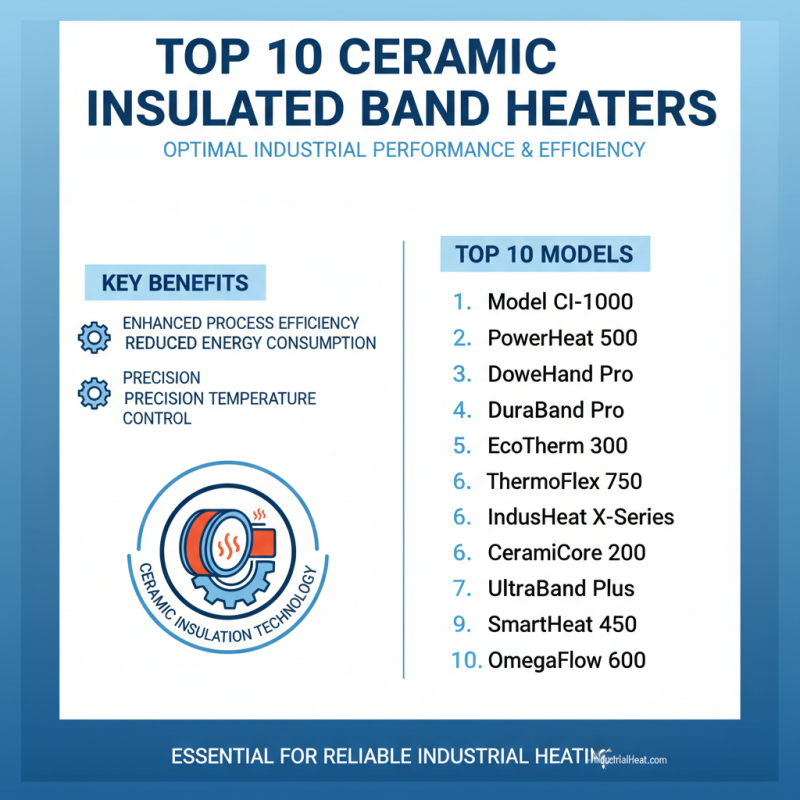
10 Best Ceramic Insulated Band Heaters for Efficient Heating?
When it comes to efficient heating solutions, the Ceramic Insulated Band Heater stands out as a top choice. This heater is specifically designed to provide consistent heat while minimizing energy consumption. Its ceramic insulation ensures that heat is directed precisely where it is needed, optimizing performance in various industrial applications.
Choosing the right Ceramic Insulated Band Heater can be daunting. With many options available on the market, it is crucial to understand the specific needs of your application. Factors such as size, wattage, and material compatibility play vital roles in making an informed decision. This guide aims to simplify the selection process by highlighting the top 10 ceramic insulated band heaters known for their reliability and efficiency.
As we explore these heaters, let’s also recognize that no single model fits all scenarios. Each application may present unique challenges. Therefore, it’s essential to consider feedback from users who have faced similar situations. Their insights can help refine our choices and ensure the best heating solution is selected for your needs.
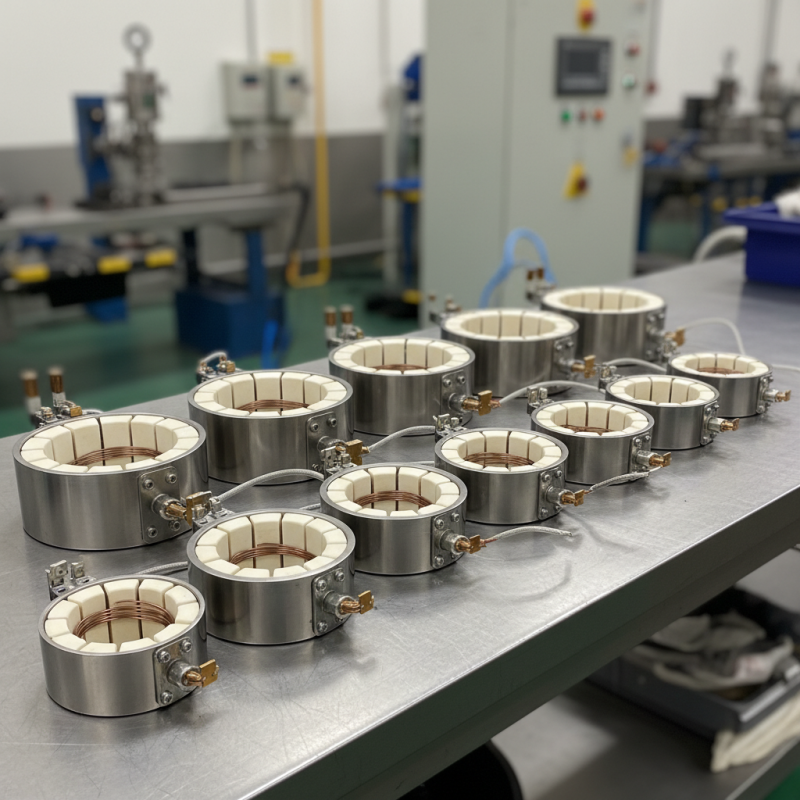
Overview of Ceramic Insulated Band Heaters
Ceramic insulated band heaters are popular for their efficiency and durability. They are widely used in industrial applications, especially for heating cylindrical objects. The ceramic insulation provides excellent thermal protection, resulting in lower energy consumption. This feature makes them a preferred choice for various industries, including plastics, chemicals, and food processing.
These heaters excel in maintaining temperature consistency. They respond quickly to changes in control units. Additionally, their design allows for uniform heat distribution, which minimizes hotspots. However, selecting the right ceramic insulated band heater can be challenging. Factors to consider include watt density, temperature range, and compatibility with specific equipment.
It's essential to evaluate your heating requirements carefully. Underrating or overrating can lead to inefficiencies. Many users may find it hard to determine the right fit for their operations. Therefore, gathering detailed specifications and user experiences can enhance decision-making. Understanding these aspects promotes better performance and long-term reliability in heating applications.
Key Features to Consider When Choosing Band Heaters
When selecting ceramic insulated band heaters, there are key features to consider. One important factor is watt density. A properly calculated watt density enhances heating efficiency and performance. Avoid going too high, as it can lead to overheating. Consider the heater’s size carefully. An ill-fitting band heater may result in inconsistent heating.
Another crucial aspect is temperature range. Ensure your chosen heater can reach the required temperatures for your application. Some materials require higher temperatures for effective operation. Reliability is also vital. Look for heaters with a good track record in your industry. They should be durable and capable of handling repetitive cycles.
Tips: Always consult your equipment manual before making a purchase decision. This ensures compatibility. Check user reviews on various platforms for real-world insights. Sometimes, specification sheets do not reflect actual performance.
Lastly, think about the installation process. Some band heaters come with user-friendly installation features. This can save time and potential errors. Investing time in research may lead to better long-term efficiency and satisfaction.
Heating Efficiency of Ceramic Insulated Band Heaters
Comparative Analysis of Efficiency and Energy Consumption
Ceramic insulated band heaters are becoming essential in industrial heating applications. These devices are known for their efficiency, yet a comparative analysis reveals a complex relationship between their energy consumption and overall performance. According to a recent industry report, energy-efficient band heaters can achieve an efficiency rate of up to 90%, while traditional models hover around 75%. This difference can directly impact operational costs and sustainability goals.
However, factors such as material quality and design can influence their performance. The construction of the insulation plays a pivotal role. For example, high-quality ceramic materials provide better thermal insulation, reducing heat loss significantly. This can lead to lower energy consumption over time. Yet, potential issues arise. Inconsistent manufacturing processes can lead to variability in heater performance. Some heaters may not perform up to expectations, raising concerns about reliability.
Moreover, while many manufacturers claim high efficiency, real-world applications often tell a different story. User feedback indicates that installation and maintenance practices significantly affect efficiency levels. Improper sealing can lead to heat leaks, resulting in increased energy use. Professionals are reminded that ongoing assessment and adaptation are crucial for ensuring these heaters operate optimally in diverse environments.
Maintenance Tips for Longevity of Band Heaters
Band heaters are essential for efficient heating in various industrial applications. However, to maintain their performance, regular maintenance is crucial. Start by inspecting the heaters for any visible wear or damage. Cracks and insulation deterioration can severely reduce heating efficiency. Clean the heater surface regularly to remove any dust or residues. This helps maintain optimal heat transfer.
Another important aspect is temperature control. Avoid overheating the heaters, as this can lead to premature failure. Also, check the electrical connections frequently. Loose or damaged wires can cause inconsistent heating, posing safety risks. It's helpful to have routine inspections. This practice can catch issues before they escalate.
Keeping a maintenance log may seem tedious, but it is worthwhile. Documenting repairs and inspections aids in identifying patterns in performance issues. Stress the importance of using the correct installation tools. Improper fittings and alignment can lead to additional wear. Band heaters work best when cared for properly. A little diligence goes a long way in prolonging their lifespan.