Best Coil Heater Options for Global Buyers 2026?
As the demand for efficient heating solutions grows, the coil heater market is evolving rapidly. According to a recent report by Frost & Sullivan, global sales of coil heaters are projected to reach 1.2 billion dollars by 2026. This marks a compound annual growth rate (CAGR) of 6.5% from 2021 to 2026. Industry experts emphasize the growing integration of coil heaters in diverse applications, including industrial machinery, HVAC systems, and automotive industries.
Jack Turner, a renowned thermal management expert, notes, "Coil heaters are crucial for effective heat transfer and efficiency in various applications." His observation highlights the role they play in modern heating solutions. Despite their benefits, buyers often face challenges in selecting the right coil heater. Specifications can be overwhelming, and factors such as watt density and materials must be analyzed carefully.
While many manufacturers are focusing on innovation, some still struggle with quality assurance and reliability. This inconsistency affects buyer decisions significantly. Understanding these nuances helps global buyers make informed choices. The right coil heater can greatly influence operational efficiency and reliability. For buyers, this journey requires careful consideration and reflection on product options.
Overview of Coil Heaters and Their Applications for 2026
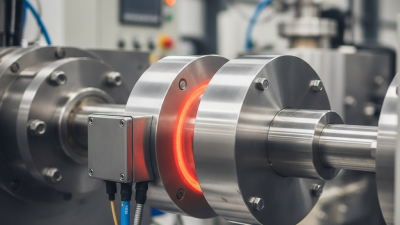
Coil heaters are essential tools in various industries, providing effective heating solutions. They are used in plastics, food processing, and aerospace applications. Their compact design and quick heating capabilities make them popular choices for manufacturing processes. The ability to focus heat directly on specific components enhances efficiency and reduces energy consumption.
When selecting a coil heater, it's important to consider the application. Different environments and materials may require distinct specifications. Ensure the coil heater can handle the required temperatures and voltages. A precise understanding of your operating conditions can lead to better performance and longer lifespans.
Tips: Pay attention to the material compatibility. Some applications are sensitive to overheating or chemical reactions. Testing in a controlled environment can prevent costly mistakes.
Moreover, maintenance is key to prolonging the life of coil heaters. Regular inspections can identify wear and tear before failures occur. Keeping a log of operational data can help track performance trends, providing insights for future improvements.
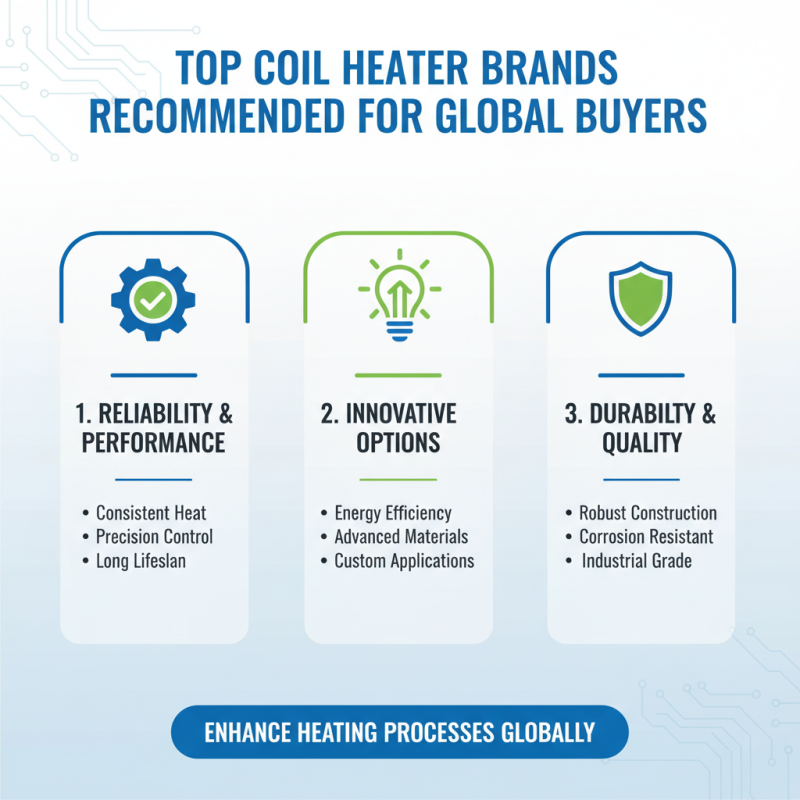
Top Coil Heater Brands Recommended for Global Buyers
When selecting coil heaters, it's essential to consider reliability and performance. Various brands offer innovative options tailored for different applications. Look for those that emphasize energy efficiency and durable materials. They can significantly enhance heating processes across industries.
Some brands stand out due to their attention to customer feedback. They continuously refine their designs based on user experiences, making their products more effective. Quality control is vital, ensuring that each heater meets industry standards. This focus on reliability can sometimes lead to higher costs.
Additionally, it's important to pay attention to support services. A brand that offers excellent post-purchase assistance can make a big difference. In the dynamic market of coil heaters, staying informed and exploring user reviews can help in making a wise choice. Choose brands that not only promise quality but also deliver it consistently. Users often seek out brands that are willing to address shortcomings promptly.
Comparative Analysis of Coil Heater Options Available in 2026
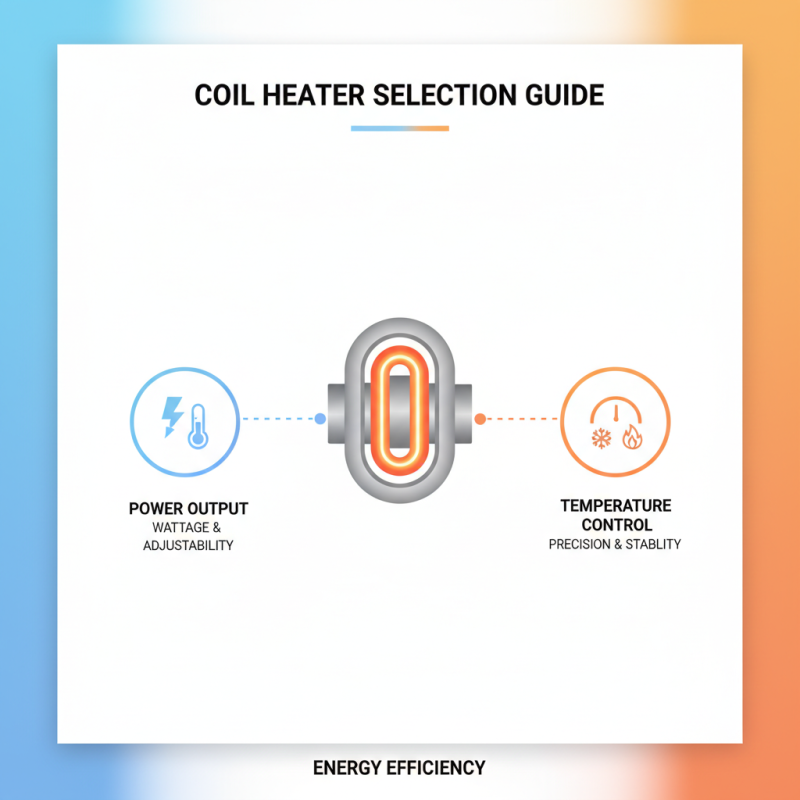
As the year 2026 approaches, the demand for efficient coil heaters continues to rise globally. Understanding the various options available can help buyers make informed decisions. It’s important to compare specifications such as power output, size, and energy efficiency. This analysis provides a clearer picture of what coil heaters are best suited for different environments.
One vital consideration is the material used in the coil construction. Stainless steel offers good durability, while nickel-chromium blends provide superior heating capabilities. Buyers must assess the environment where the heater will be used. For instance, harsh conditions may require robust materials that can withstand corrosion. Reflecting on these choices will enhance long-term effectiveness.
**Tips**: Always check the heater's safety features. Overheating protection is crucial. Know your power requirements before purchasing. Incorrect voltage can damage the unit. Additionally, read reviews to gauge reliability. User feedback is often a goldmine of information.
When evaluating coil heater options, consider their integration into existing systems. Compatibility with current setups affects installation ease and efficiency. Sometimes, a less powerful model might actually meet your needs better than a high-capacity option. Keep in mind, buyer experiences can vary widely, and what works for one may not work for another.
Best Coil Heater Options for Global Buyers 2026
| Coil Heater Type |
Power Rating (W) |
Voltage (V) |
Length (mm) |
Material |
Temperature Range (°C) |
Applications |
| Ceramic Coil Heater |
1000 |
230 |
300 |
Ceramic |
-20 to 500 |
Industrial heating |
| Stainless Steel Coil Heater |
750 |
220 |
250 |
Stainless Steel |
0 to 600 |
Food processing |
| PTFE-Coated Coil Heater |
1500 |
110 |
280 |
PTFE |
-40 to 260 |
Chemical processing |
| Aluminum Coil Heater |
500 |
120 |
370 |
Aluminum |
-10 to 300 |
Plastics manufacturing |
| Copper Coil Heater |
2000 |
240 |
400 |
Copper |
-20 to 700 |
Metal melting |
Future Trends in Coil Heater Technology and Market Preferences
As we look towards 2026, the coil heater market is poised for significant evolution. Industry reports project a compound annual growth rate (CAGR) of approximately 6.5% over the next few years. This growth is largely driven by advancements in energy efficiency and increased demand in various sectors, including automotive, aerospace, and food processing. Preferences are shifting towards more sustainable solutions, and therefore, manufacturers are innovating with materials and technology. Coil heaters utilizing advanced polymers and eco-friendly materials are gaining traction.
While focusing on energy efficiency, it is essential to consider the balance between performance and cost. A report from the International Heat Transfer Conference highlights that consumers often prioritize initial price over long-term savings, which can lead to dissatisfaction. Finding a reliable coil heater involves analyzing specifications and understanding the application requirements.
Tips: Look for heaters with a good warranty. This often indicates reliability. Consider the heater’s thermal management capabilities. Efficient heat regulation can save energy costs significantly. Ultimately, selecting the right coil heater requires careful attention to both emerging trends and individual needs. Always consult trusted industry sources when making your choice.