Best Heater Bar Options for Efficient Heating Solutions?
In recent years, the demand for effective heating solutions has surged. Industries are seeking efficient methods to maintain optimal temperatures. A standout option is the Heater Bar, specifically designed for focused heating. According to a report by the Energy Efficiency Guide, businesses can save up to 30% on energy costs with the right heating solutions.
Heater Bars offer numerous advantages in various applications. They provide rapid heat distribution and can easily target specific areas. This targeted approach minimizes energy waste and enhances comfort. However, not all Heater Bars are created equal, leading to potential challenges. An inappropriate choice could result in inefficiencies and increased operating costs.
Industry experts recommend evaluating specifications and efficiency ratings before making a purchase. Understanding the unique needs of your space is crucial. A poorly selected Heater Bar can hinder productivity. Continuous advancements in technology offer promising solutions, yet thorough research remains essential. An informed choice can significantly affect performance and energy expenditure, making it vital to weigh options carefully.
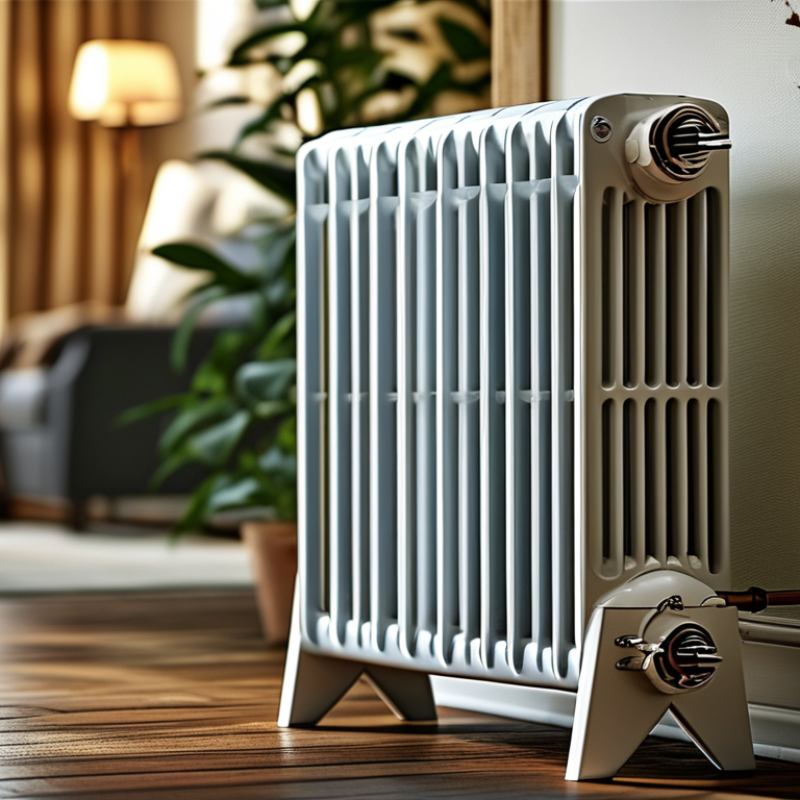
Types of Heater Bars Available for Efficient Heating
When it comes to heating solutions, heater bars are popular for their efficiency and versatility. There are several types available, each designed for specific needs. Electric heater bars provide quick warmth using electrical resistance. They are easy to install and maintain, making them ideal for residential and commercial spaces. These options are great for small areas where immediate heat is needed.
On the other hand, infrared heater bars offer radiant heat. They warm objects directly rather than heating the air. This type is energy-efficient and perfect for large open areas. Users often appreciate the consistent warmth without the drafty feeling common with other heaters. However, these units may require more initial installation effort.
Lastly, there are gas-powered heater bars. These are typically used in outdoor settings. They provide strong, ambient warmth for patios or workshops without electric infrastructure. Despite their effectiveness, users should consider proper ventilation and safety precautions. Each type has unique advantages and potential downsides, making it crucial to assess your specific heating needs carefully.
Key Features to Look for in Heater Bars
When choosing a heater bar, it's crucial to consider key features that enhance efficiency and reliability. Look for power settings. Adjustable heat levels allow for personalized comfort. Some models offer rapid heating options, which can be valuable in cold climates.
Pay attention to safety features. Overheat protection and tip-over switches are essential for home safety, especially with pets or children around. Energy efficiency ratings are also important to save on energy costs. Transparent designs can help monitor performance and ensure reliability.
Durability is another factor. A heater bar should withstand everyday use without compromising on build quality. Consider exploring different materials and designs. However, the ideal product may not exist. Users often settle for features that barely meet their needs. Reflecting on personal usage habits can help clarify priorities when making a selection.
Benefits of Using Heater Bars for Indoor Heating
Heater bars provide an efficient solution for indoor heating needs. Many homeowners appreciate their ability to deliver direct and effective warmth. According to a recent industry report, electric heater bars can improve heating efficiency by up to 40% compared to traditional heating methods.
One of the main benefits of heater bars is their adaptability. They can be installed in various locations, providing strategic warmth exactly where it's needed. This flexibility reduces energy waste. Comfort is another key factor. Heater bars warm up quickly, offering immediate relief from the cold. Instead of waiting for a central heating system to kick in, users can enjoy cozy spaces instantly.
However, there are considerations. Installation may require professional expertise, particularly for complex setups. This can be a hurdle for DIY enthusiasts. Additionally, while heater bars are great for spot heating, they might not replace full heating systems in larger areas. Users should assess their space to ensure optimal results. Balancing comfort and practicality is crucial. Understanding the specific needs of a home can lead to better choices in heating solutions.
Best Heater Bar Options for Efficient Heating Solutions
This chart displays the heating efficiency in BTU/h of various heater bar options. Infrared heater bars offer the highest efficiency, making them an excellent choice for efficient indoor heating solutions.
Comparative Analysis of Popular Heater Bar Brands
When it comes to heater bars, various brands offer distinct features that cater to different needs. Choosing the right one can be challenging due to numerous options available on the market. Popular brands often focus on efficiency, energy consumption, and ease of use. Some excel in quick heating capabilities, while others prioritize durability. It’s essential to evaluate these factors based on your specific requirements.
User reviews spotlight both strengths and shortcomings. For instance, some heater bars heat rapidly but may have shorter lifespans. Others might conserve energy effectively, yet take longer to reach the desired temperature. Additionally, designs vary widely. Some offer sleek aesthetics, while others prioritize robust functionality. Understanding these nuances helps align your preferences with the right product.
While many heater bars claim high efficiency, real-world performance can differ. Conducting thorough research and comparing specifications proves vital. Personal experiences highlight the necessity of considering both positive and negative feedback. Observing the actual efficiency in various settings can shape informed purchasing decisions. Balancing reliability with performance remains key for anyone exploring heater bar options.
Safety Considerations and Maintenance Tips for Heater Bars
When considering heater bars, safety is a paramount concern. They should comply with safety standards to prevent hazards. According to the National Fire Protection Association, heating equipment is a leading cause of home fires. It's essential to use heaters that feature overheat protection and automatic shut-off mechanisms. Inspection is also vital. Regularly checking for faulty wiring or wear can prevent electrical fires.
Maintaining your heater bars ensures efficient performance. Dust accumulation can hinder heating efficiency. Clean the units at least once a month to promote optimal airflow. Inspect the wiring and connections periodically to identify any potential issues. This proactive approach can extend the life of the heater. A 2021 study by the Environmental Protection Agency highlights that poorly maintained heaters can consume up to 30% more energy, leading to higher utility costs.
Tips: Always follow the manufacturer's instructions when installing your heater bars. Consider using timers or programmable thermostats to enhance energy efficiency. If unusual odors or sounds occur, do not ignore them. These could indicate underlying problems that need immediate attention. Prioritize safety to ensure warm and comfortable living spaces.