2026 Best Heater Pipes for Optimal Heating Efficiency?
In recent years, the importance of efficient heating solutions has grown significantly. One crucial component in this optimization is the design and material of heater pipes. Industry expert Dr. Emily Turner states, "The effectiveness of heater pipes can greatly influence overall energy consumption." Her insights shed light on the critical role these components play in heating systems.
Choosing the best heater pipes for optimal heating efficiency requires careful consideration. Factors like material, diameter, and insulation all affect performance. Copper and PEX are popular choices due to their specific thermal properties. Proper installation can further enhance efficiency, reducing energy waste and improving comfort.
However, not all heater pipes perform equally well in every situation. It's essential to analyze both the space and heating needs. Mistakes in selection and installation can lead to inefficiencies. This topic merits deeper investigation as homeowners seek to maximize their heating investments. Understanding the nuances of heater pipes is key to achieving superior heating efficiency.
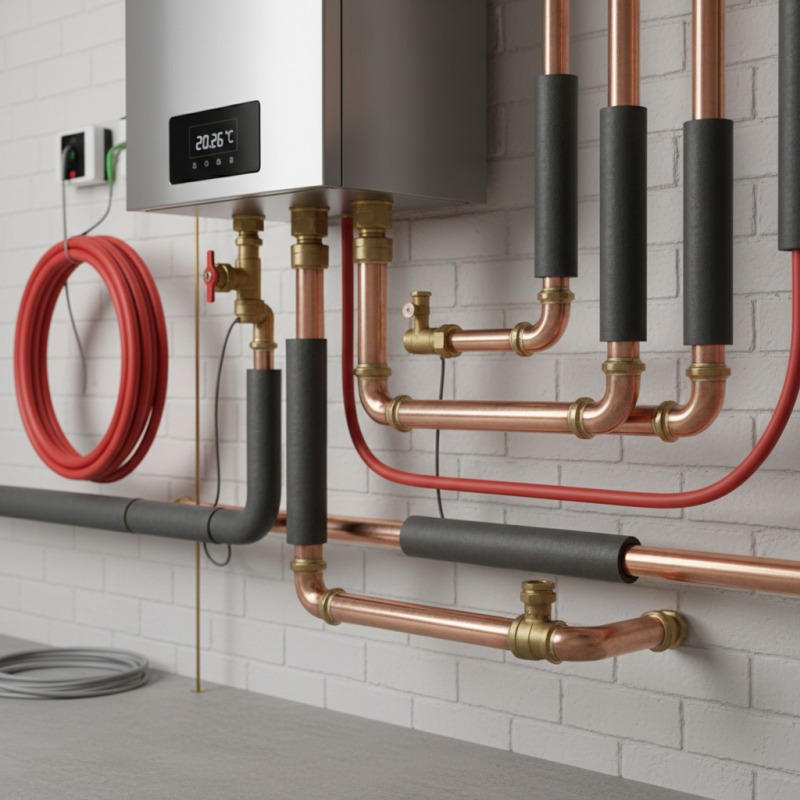
The Importance of Heat Transfer Efficiency in Heater Pipes
Efficient heat transfer is crucial for heating systems. Heater pipes must optimize this efficiency to provide maximum comfort. A study by the International Energy Agency found that up to 30% of energy could be wasted in poorly designed systems. This underscores the need for selecting the right materials and designs in heater pipes.
Heat transfer efficiency depends on various factors. These include pipe material, diameter, and insulation. Copper pipes, for instance, often outperform others due to their superior thermal conductivity. In contrast, PVC pipes may lag, leading to heat loss. Insulating pipes effectively can further enhance performance. Poor insulation can account for significant energy losses.
Tips: Always check insulation thickness. It should meet local standards. Regularly inspect pipes for leaks. Even a small leak can disrupt efficiency. The wrong choice may result in higher energy bills. Evaluate options carefully to ensure optimal performance for your heating needs.
2026 Best Heater Pipes for Optimal Heating Efficiency
| Pipe Material |
Thermal Conductivity (W/m·K) |
Resistance to Corrosion |
Max Operating Temperature (°C) |
Average Lifespan (Years) |
| Copper |
385 |
High |
200 |
50 |
| Aluminum |
205 |
Medium |
150 |
40 |
| Stainless Steel |
16 |
Very High |
370 |
30 |
| PVC |
0.2 |
Low |
60 |
15 |
| PEX |
0.25 |
Moderate |
95 |
25 |
Types of Heater Pipes: Materials and Their Performance Metrics
When choosing heater pipes, materials play a crucial role.
Copper is a leader in thermal conductivity, allowing heat to transfer quickly.
Many homeowners appreciate its durability and resistance to corrosion. However, copper pipes can be more expensive than other options. This cost may deter some users, despite the long-term efficiency benefits.
Another popular choice is PEX, which has gained traction due to its flexibility.
PEX pipes are easy to install and are resistant to scale and chlorine. Yet, they may not withstand high temperatures as well as metal pipes do.
Users often experience challenges with extreme heat, which could lead to premature failure.
Steel pipes offer strength but can rust over time.
They handle high heat and pressure effectively. Still, regular maintenance is necessary to prevent corrosion.
Each material has its own set of advantages and disadvantages.
Homeowners need to reflect on their specific heating needs before choosing a type.
Sizing Considerations for Optimal Heat Distribution in Heating Systems
Proper sizing of heater pipes is crucial for effective heat distribution. Oversized pipes can lead to uneven heating, while undersized pipes restrict flow and increase energy costs. According to a report by the American Society of Heating, Refrigerating and Air-Conditioning Engineers (ASHRAE), maintaining the right pipe diameter can improve system efficiency by up to 15%. Ensuring that pipes are sized correctly can reduce energy consumption significantly.
Heat loss is another critical factor to consider. It's essential to factor in the insulation quality around pipes. A study by the Department of Energy indicates that uninsulated or poorly insulated pipes can lose over 20% of their heat. This results in higher energy consumption to maintain desired temperatures. Accurate calculations of heat loss help in adjusting pipe sizes, leading to optimal heating performance.
In practice, balancing flow rates throughout the system is not always straightforward. Some installations may require adjustments after initial sizing. Observing temperature variations in different rooms can indicate improper sizing or uneven heat distribution. Keeping track of these details can lead to improved efficiency over time, yet many systems are installed without thorough analysis. Continuous monitoring and adjustments can enhance overall system performance.
Comparative Analysis of Energy Savings with Modern Heater Pipe Technologies
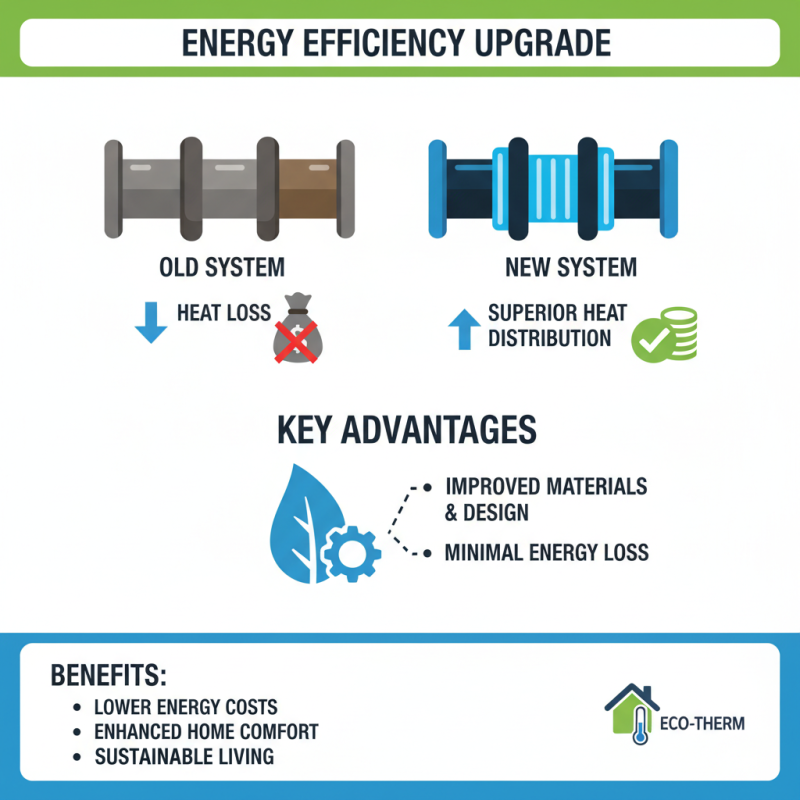
Modern heater pipe technologies offer intriguing advantages in energy efficiency. These systems utilize improved materials and designs, delivering better heat distribution. Users report reduced energy costs. Many older systems fail to maintain heat effectively. The latest pipes ensure minimal energy loss, making homes more comfortable and cost-effective.
However, not all installations yield optimal results. Some users might neglect regular maintenance, leading to inefficiencies. Dirt and corrosion can build up, reducing performance. Homeowners should be aware of this aspect. It is essential to balance installation and upkeep.
Innovations like smart thermostats work in conjunction with these modern pipes. They automatically adjust temperatures based on user behavior. This synergy can further enhance energy savings. Yet, challenges remain. Not everyone embraces technology, which can limit potential savings. Educating users is crucial in achieving the best outcomes.
The Role of Insulation in Enhancing Heater Pipe Efficiency
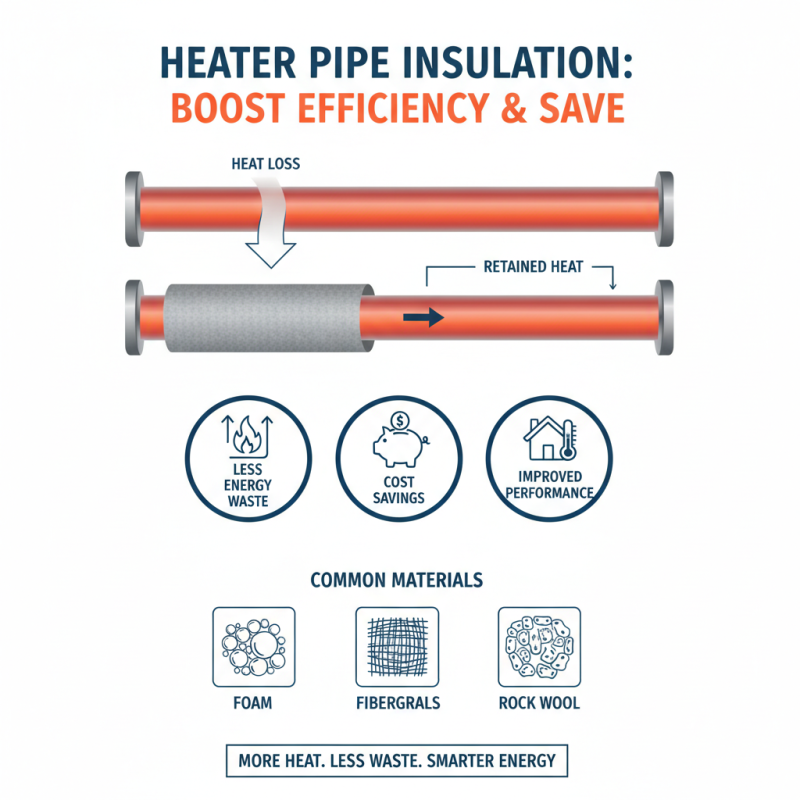
Insulation plays a crucial role in enhancing the efficiency of heater pipes. When pipes are properly insulated, they retain more heat during transit. This means less energy is wasted, leading to cost savings. Insulating materials come in various forms, such as foam, fiberglass, or rock wool. Each type offers unique benefits depending on the application.
Inadequate insulation can lead to significant heat loss. Many homeowners overlook this aspect of their heating systems. They may not realize that even small gaps in insulation can have a big impact. In some cases, old or damaged insulation needs replacing. Regular maintenance checks can help identify these issues before they escalate.
The choice of insulation material also matters. Some materials are better suited for specific environments. For instance, areas exposed to moisture may require water-resistant options. It's essential to consider both performance and durability. Often, the cheapest option might not be the most effective choice in the long run. Prioritizing quality insulation can significantly improve heating efficiency and comfort.