Best Heating Air Systems for Your Home What to Choose?
Choosing the right Heating Air Systems for your home is crucial. The perfect system ensures comfort throughout the year. With so many options available, making a choice can feel overwhelming.
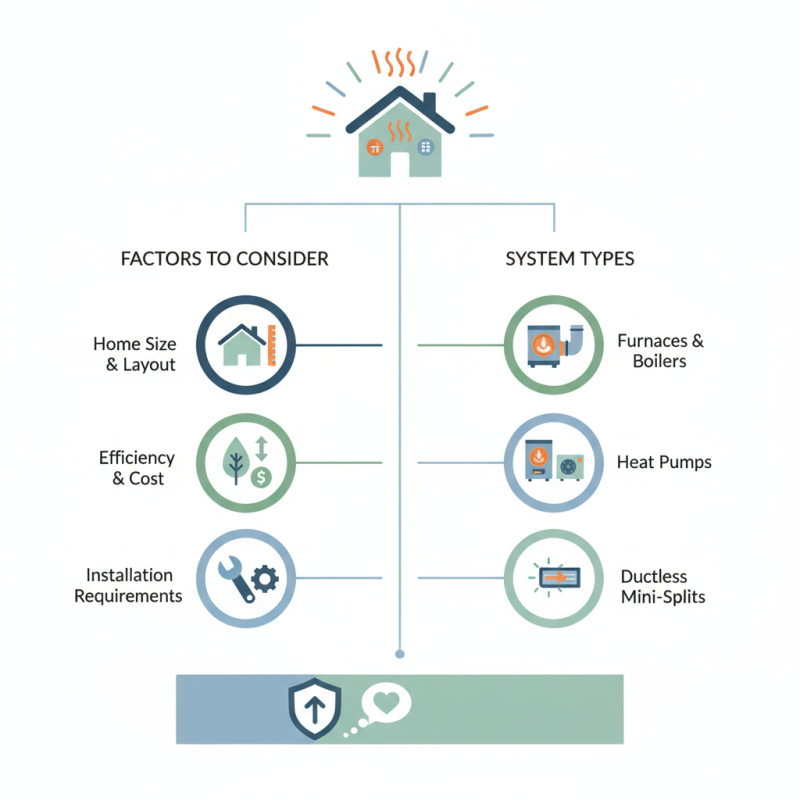
Consider your home's size and layout when selecting a system. Efficiency matters, too. Some systems consume more energy than others. This can lead to higher bills and wasted resources. It’s essential to balance cost and efficiency. Perhaps you'll face challenges in finding a system that meets all your needs.
You might also find yourself wondering about installation requirements. Certain Heating Air Systems demand specific setups or modifications. This can complicate the decision-making process. Reflecting on these factors will help clarify your options. Upgrading your system is an investment in comfort and efficiency. Aim for a solution that aligns with your lifestyle and budget.
Types of Heating Air Systems: An Overview
When choosing heating air systems, it’s essential to understand the types available. Central heating systems distribute warmth through ducts or pipes. They can be powered by electricity, gas, or oil. Radiant heating, on the other hand, warms floors or walls. This method provides gentle heat that radiates in a room.
Tips: Consider your home layout. Open spaces may benefit from central heating. Smaller areas might do well with radiant systems.
Another option is heat pumps, which transfer heat instead of generating it. This method can be very efficient in mild climates. Ductless mini-split systems are also a popular choice. They offer flexibility and can be installed without major renovations.
Tips: Analyze local climate conditions. An efficient system in a warm area might not work well in cold weather.
Selecting the right heating air system can be confusing. Each type has its pros and cons. It’s vital to consider your needs, home size, and energy prices. Explore all options before making a decision. Remember, correct installation is key for efficiency.
Key Features to Consider When Choosing a Heating Air System
When selecting a heating air system, several key features warrant careful consideration.
Energy efficiency is paramount. According to the Energy Information Administration (EIA), nearly
44% of home energy consumption in the U.S. is used for heating. A system with a high
Seasonal Energy Efficiency Ratio (SEER) can save homeowners significant costs. Look for systems with an
ENERGY STAR certification. They often guarantee savings and efficient operation.
Another crucial aspect is heating capacity. This is measured in
British Thermal Units (BTUs). A system's size affects its performance significantly. An
undersized unit struggles to maintain comfort, while an oversized system cycles too frequently, leading to wear. Research indicates
that properly sized systems can improve comfort by up to 20%. Furthermore, consider the
system's noise levels. Many modern systems operate quietly, aiming for sound levels below 60 decibels.
Always check the sound rating before making a decision.
Additionally, take note of maintenance requirements. Some systems need more
frequent servicing than others. Neglecting maintenance can lead to efficiency loss. Seek units with easily accessible filters for
convenient upkeep. Lastly, think about installation complexity and costs. A complex setup
might lead to unexpected expenses. Estimates reveal that up to 20% of heating efficiency is lost
during improper installation. Careful planning is essential in maximizing investment and ensuring comfort.
Efficiency Ratings: Understanding SEER and AFUE
When choosing a heating air system for your home, efficiency ratings play a vital role. SEER and AFUE are crucial metrics. SEER stands for Seasonal Energy Efficiency Ratio. It measures how efficiently an air conditioning system uses energy over a cooling season. Higher SEER ratings mean better efficiency, which translates to cost savings on energy bills. Ideally, look for a system with a SEER rating above 16 for optimal performance.
On the heating side, AFUE, or Annual Fuel Utilization Efficiency, measures how much fuel a furnace or boiler converts into usable heat. An AFUE rating of 90% means 90% of the fuel becomes heat, while 10% is wasted. Opting for a higher AFUE rating can lead to significant savings, especially in cold climates. However, achieving the best rating might cost more upfront. Consider your local climate and how often you use heating versus cooling. Sometimes, even lower-rated systems might suit your needs best.
Choosing the right system is complex. Many factors come into play. Installation quality, home size, and your specific comfort needs matter too. Not all high-efficiency systems fit well in every home. Realizing this can save you hassle later. It’s wise to assess your lifestyle and budget before making a decision. Look for advice, but remember: it’s ultimately your choice.
Energy Efficiency Ratings of Heating Air Systems
Cost Analysis: Initial Investment vs. Long-term Savings
When choosing a heating air system for your home, cost is a crucial factor. The initial investment can vary significantly. For instance, a central HVAC system might range from $3,000 to $7,000. In contrast, heat pumps can cost you about $4,500 to $10,000 upfront. While these numbers can be daunting, it’s vital to consider long-term savings. According to the U.S. Department of Energy, energy-efficient systems can reduce energy costs by 20% to 50%.
Tips: Look for Energy Star-rated systems. They often qualify for rebates, improving your financial outlook.
A system with a higher upfront cost may seem overwhelming. However, the return on investment can be substantial. A study from the National Renewable Energy Laboratory indicates that energy-efficient systems save homeowners an average of $600 annually. Over time, these savings accumulate, potentially covering the initial costs within a decade.
Tips: Always assess your local climate. Systems that work efficiently in cold regions may fail in warmer areas. Evaluate your specific needs.
Best Heating Air Systems for Your Home: What to Choose? - Cost Analysis: Initial Investment vs. Long-term Savings
| System Type |
Initial Investment ($) |
Annual Operating Cost ($) |
Expected Lifespan (years) |
Total 10-Year Cost ($) |
Potential Savings Over 10 Years ($) |
| Central Air Conditioning |
3,500 |
1,200 |
15 |
15,500 |
- |
| Heat Pump |
4,500 |
800 |
20 |
12,500 |
3,000 |
| Furnace (Gas) |
2,800 |
900 |
15 |
13,800 |
1,700 |
| Ductless Mini-Split |
3,000 |
700 |
20 |
15,000 |
-500 |
| Electric Heater |
1,200 |
1,500 |
10 |
16,200 |
-600 |
Maintenance and Longevity: Keeping Your System in Top Shape
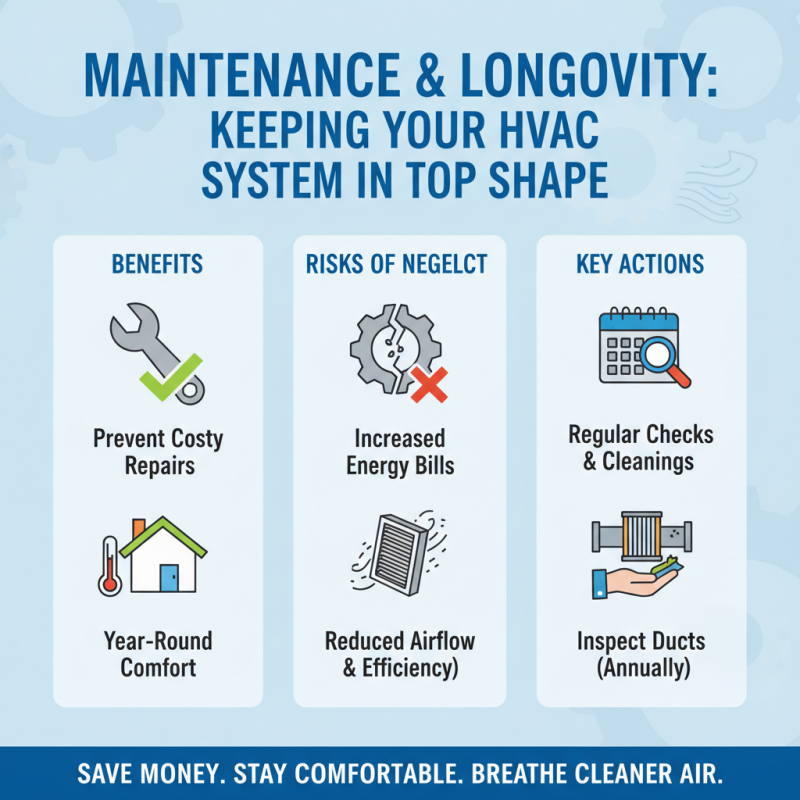
Maintaining your heating and air systems is crucial for longevity. Regular checks can prevent costly repairs. A well-functioning system keeps your home comfortable year-round. Ignoring maintenance might lead to inefficiencies, which can raise energy bills. Dust and debris can accumulate in filters and ducts, hampering airflow.
Tips: Change air filters every month. Set reminders to make it a habit. Dirty filters force your system to work harder, increasing wear and tear. Clean the outdoor unit regularly. This can prevent clogs caused by leaves and dirt. Neglecting this can lead to overheating.
Pay attention to strange noises. If you hear banging or hissing, something might be wrong. Don’t put off inspection. Small issues can escalate quickly. Keep an eye on your thermostat settings. If it’s not working properly, it may influence system performance. Consider a professional tune-up annually to ensure everything is in top shape. It’s an investment in comfort and efficiency.