2026 Best Heating Cables for Efficient Home Warmth Solutions?
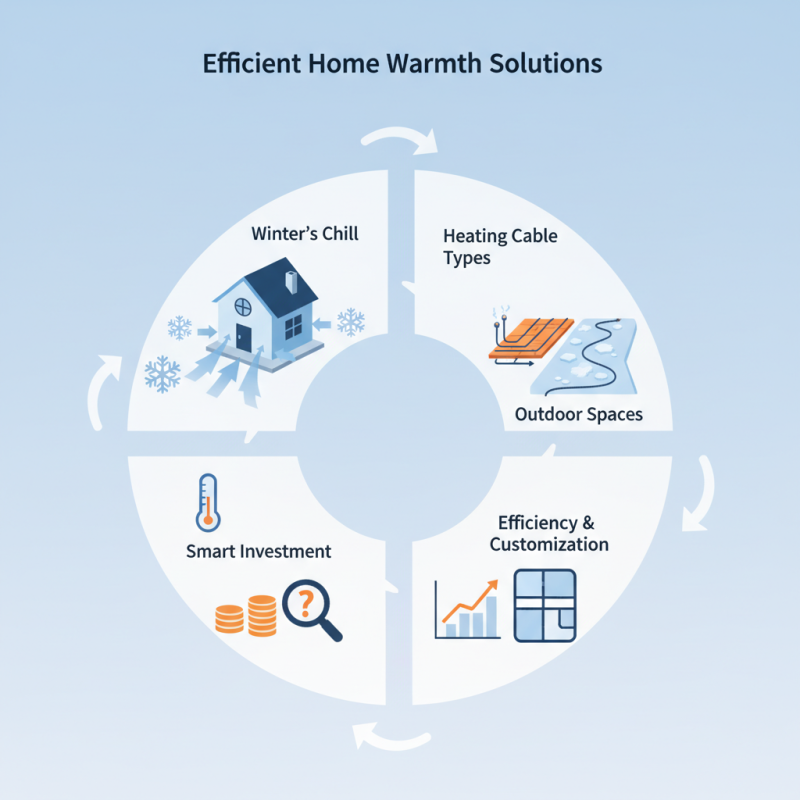
When winter arrives, maintaining warmth at home becomes crucial. Heating cables have emerged as an effective solution for efficient home heating. These cables provide consistent warmth, reducing the chill that can seep through floors and walls.
Many homeowners struggle to find the ideal heating solution. There are various types of heating cables available, each with unique features. Some cables are designed for underfloor heating, while others are perfect for outdoor spaces. Busy lifestyles often lead to overlooked options, resulting in discomfort.
Investing in quality heating cables can make a significant difference in energy efficiency. These systems heat up quickly and can be customized to fit specific room sizes. However, not all heating cables are created equal. Research is essential to select the right ones for your needs. A thoughtful approach is necessary to ensure long-term satisfaction and warmth during the cold months.
Understanding Heating Cables: How They Work for Home Heating Solutions
Heating cables are an innovative solution for home warmth. These cables work by generating heat when electricity flows through them. They can be installed under floors, in walls, or even along driveways. This versatility makes them popular among homeowners looking for efficient heating options.
The installation process varies, and not everyone finds it straightforward. If not done correctly, inefficiencies can arise. For instance, improper spacing may lead to cold spots. It’s essential to assess your home’s layout. Additionally, understanding the power requirements is critical for optimal performance.
Heating cables offer many benefits, but they are not without their challenges. Homeowners often face issues with installation costs and energy consumption. It's important to consider these factors carefully. Investigating local regulations may also be necessary. This ensures compliance and safety in the installation.
Types of Heating Cables: A Comparison of Options for Home Use
When choosing heating cables for home use, it’s crucial to understand the different types available. There are electric heating cables, often favored for their efficiency. These cables generate heat directly when electricity flows through them. Installation is straightforward, making them popular among homeowners. However, they can lead to high electricity bills if not managed well.
Another option is hydronic heating cables, which use water to distribute warmth. They require a system to heat water and circulate it through the cables. While they can be more energy-efficient, the installation can be complex. Homeowners must balance upfront costs with long-term savings.
Furthermore, self-regulating heating cables adjust their output based on temperature changes. This feature prevents overheating and can save energy. However, they might not reach as high a temperature as other types. It’s essential to weigh these aspects before deciding. Ultimately, the right choice depends on specific heating needs and installation capabilities.
Key Features to Consider When Choosing Heating Cables for Efficiency
When choosing heating cables for home warmth solutions, efficiency is key. Start by checking the watt density. This measurement indicates how much heat the cable produces per unit length. Higher watt density means quicker heating. But be cautious, as too much heat can lead to energy waste or damage.
Another important feature is the insulation material. High-quality insulation ensures durability and safety. It also impacts the heat output and efficiency of the cables. Look out for cables that can withstand moisture and varying temperatures. This durability can prevent costly repairs.
Consider the installation process as well. Some heating cables are easier to install than others. Think about your skill level and the space where you will install them. If unsure, professional installation might be a better option. This can alleviate potential issues later. An uncomfortable experience here can lead to further reflections on your choices.
Lastly, make sure to assess energy consumption. Efficient cables should heat your space without inflating your utility bill. Take your time researching and select wisely. Remember, the most expensive option isn’t always the best.
2026 Best Heating Cables for Efficient Home Warmth Solutions
| Feature |
Description |
Efficiency Rating |
Length Options |
Voltage |
Installation Type |
| Thermal Efficiency |
Provides efficient heat distribution |
A+ |
10m, 20m, 30m |
120V / 240V |
Self-adhesive |
| Safety Features |
Overheating protection and ground fault detection |
A |
5m, 15m, 25m |
230V |
Embedded |
| Energy Consumption |
Low energy usage for optimal efficiency |
B+ |
12m, 18m, 24m |
120V |
Surface-mounted |
| Material Quality |
High-grade materials for durability |
A |
8m, 16m, 32m |
240V |
In-screed |
| Warranty Period |
Standard 10-year warranty |
N/A |
Varies by model |
Dual voltage options |
Flexible installation |
Installation Best Practices for Optimal Performance of Heating Cables
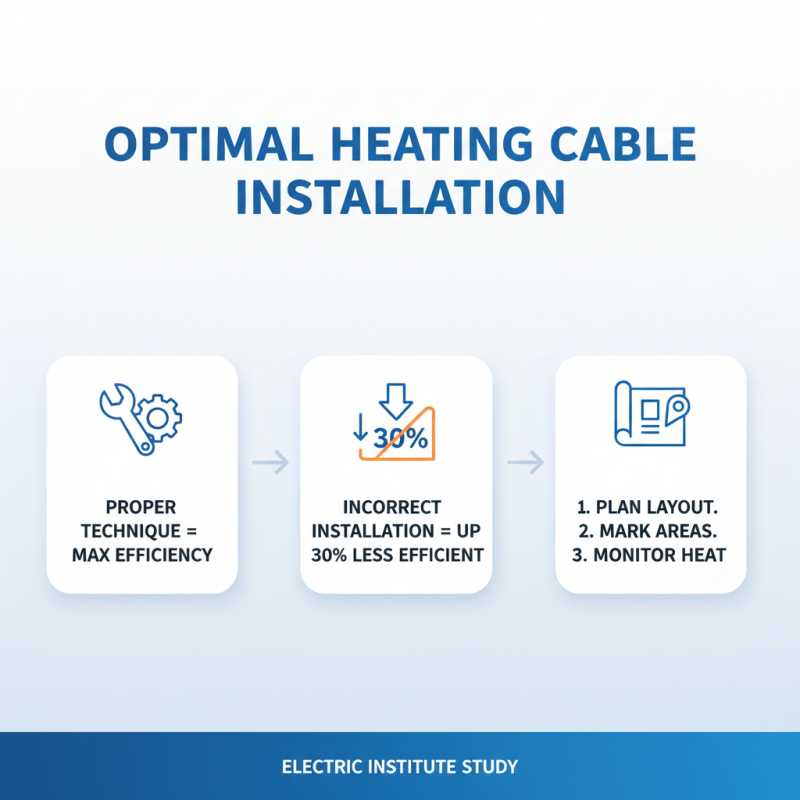
When installing heating cables, proper techniques can greatly affect performance. A study by the Electric Institute found that incorrect installation can decrease efficiency by up to 30%. It's important to outline the heating system layout clearly before starting. Marking the areas will prevent unnecessary damage and help monitor heat distribution later.
Maintain proper spacing between cables. Too close together, and you risk overheating. The general guideline suggests keeping them 3 to 6 inches apart. Yet, many installations ignore this. Relying solely on manufacturer specifications without assessing the specific area can lead to issues. Ensuring even coverage ensures warmth in all corners of your space.
Temperature sensors can also enhance performance. They automatically adjust heating levels according to the actual room temperature. This can lead to energy savings, potentially cutting costs by up to 15%. Regularly checking connections is a must. Loose wires can create hot spots, wasting energy. Address these challenges to maximize the benefits of heating cables.
Maintenance Tips to Ensure Longevity and Efficiency of Heating Systems
Heating systems are essential for home comfort, particularly in colder climates. Regular maintenance can significantly boost their lifespan and efficiency. According to a report by the U.S. Department of Energy, proper care could improve heating efficiency by up to 30%. This means substantial savings on energy bills over time.
Start with periodic inspections. Checking for damaged components is crucial. Inspect any wiring or connections regularly. A small issue can turn into an expensive problem if not addressed. Dust and debris can accumulate in heating cables or systems. A thorough cleaning helps maintain optimal performance. It’s often overlooked, yet essential.
Monitor the system's performance. Unusual noises or inconsistent heating can signal issues. These warning signs shouldn't be ignored. They often indicate potential breakdowns. A professional evaluation might be necessary. Understanding how to maintain these systems can prevent larger problems. Regular checkups and vigilant monitoring of your heating system can make a noticeable difference in efficiency.
Heating Cable Efficiency Comparison (2026)