2026 Best Industrial Infrared Heaters for Efficient Heating Solutions?
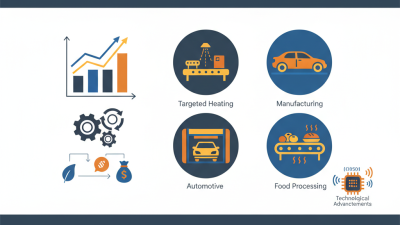
In recent years, the demand for Industrial Infrared Heaters has surged. A report by MarketsandMarkets projected that the infrared heating market will grow significantly, reaching $4.75 billion by 2026. This growth is fueled by the need for energy-efficient heating solutions across various industries. These heaters convert up to 90% of energy into heat, unlike traditional methods that lose energy in the process.
Industries are increasingly recognizing the advantages of Industrial Infrared Heaters. They provide precise, direct heating, which enhances productivity in manufacturing settings. By reducing heat loss, companies can achieve substantial cost savings. However, transitioning to infrared technology can be a challenge. Some facilities may struggle with integrating new systems into existing setups.
The 2026 landscape will likely reveal both opportunities and obstacles. While Industrial Infrared Heaters offer benefits, understanding their full potential requires careful consideration. This year's outlook encourages businesses to reflect on the best practices and innovations available. Embracing these advancements may lead to a more sustainable future in industrial heating.

Overview of Industrial Infrared Heaters: Operation and Benefits
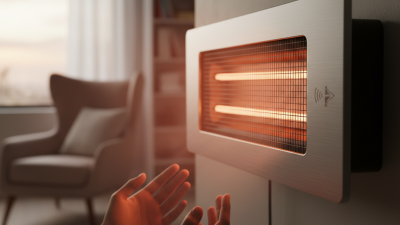
Industrial infrared heaters utilize electromagnetic radiation to deliver heat efficiently. These heaters work by emitting infrared waves that heat objects directly, rather than warming the air. This method fosters quicker heating, making them suitable for various industrial applications. Efficiency is a key benefit, as these heaters often use less energy than conventional heating systems.
The operation of infrared heaters also minimizes heat loss. They can be positioned close to the target area, allowing for effective spot heating. This targeted approach is beneficial for processes like painting, drying, and curing. However, the effectiveness can vary based on distance and angle, requiring adjustments for optimal performance.
Beyond efficiency, these heaters can improve workplace conditions. They generate less noise and don’t circulate dust, enhancing air quality. Yet, operators must be cautious about placement. If positioned too close, there may be risks of burns or overheating. Continuous monitoring is necessary to ensure proper function.
Key Features to Look for in Industrial Infrared Heating Solutions
Industrial infrared heaters are becoming essential in many sectors.
When evaluating these heating solutions, several key features demand attention.
Efficiency is critical. Look for models with high energy conversion rates.
This means more heat with less energy.
Temperature control is another vital aspect. Advanced heaters should allow
precise adjustments. Inconsistent heat can lead to productivity losses and increased costs.
Ease of installation also matters. Complicated setups can delay operations. Effective heaters should integrate easily into existing systems.
Safety features should not be overlooked. Look for
automatic shut-off options. This can prevent accidents and injuries. At times, even user-friendly models may still pose risks.
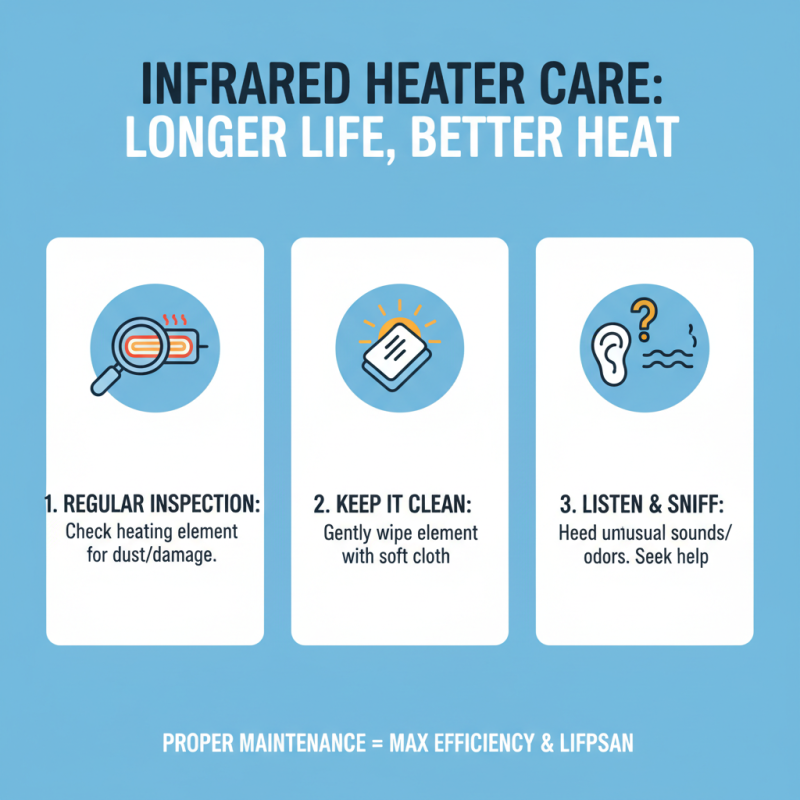
Regular maintenance is crucial for optimal performance. It's important to regularly check for wear or malfunctioning parts.
Noticing these details can enhance safety and efficiency significantly.
Top 5 Efficient Industrial Infrared Heaters of 2026
As industries evolve, the demand for efficient heating solutions grows. Infrared heaters stand out as a preferred option. They provide focused warmth, minimizing energy waste. This technology is ideal for various applications, including warehouses, workshops, and large factories. However, not all infrared heaters are created equal.
In 2026, several models are topping the charts for their efficiency. One standout feature is the quick warm-up time. Many heaters can reach optimal temperatures in mere minutes. This rapid heat generation allows industries to maintain productivity. Additionally, advanced models focus on energy consumption, aiming for lower operational costs. Still, choosing the right heater can be challenging. Factors like the size of the space, insulation quality, and desired temperature play crucial roles.
Another aspect to consider is maintenance. Some heaters require regular cleaning and checks, which can be overlooked. A neglected heater could lead to reduced efficiency over time. Thus, understanding the specific needs of a workspace is vital. An informed decision means better performance. In the end, evaluating all these details can lead to the best choice for industrial heating.
2026 Best Industrial Infrared Heaters for Efficient Heating Solutions
| Model |
Power Output (kW) |
Heating Area (sq ft) |
Temperature Range (°F) |
Efficiency (%) |
Features |
| Model A |
15 |
600 |
120 - 210 |
95 |
Portable, Adjustable Stand |
| Model B |
12 |
500 |
100 - 180 |
92 |
Compact Design, Remote Control |
| Model C |
18 |
800 |
130 - 220 |
97 |
Eco-Friendly, High Speed Heating |
| Model D |
10 |
400 |
90 - 150 |
90 |
Lightweight, Easy Installation |
| Model E |
20 |
1000 |
140 - 230 |
96 |
Infrared Technology, Timer Function |
Comparative Analysis: Conventional Heating vs. Infrared Heating
Infrared heating and conventional heating are two popular methods of warming spaces. Conventional heating systems, like gas or electric heaters, rely on the air to transfer heat. According to industry data, these systems can lose up to 30% of heat before it reaches the intended area. This inefficiency often leads to higher energy bills and discomfort in larger spaces.
On the other hand, infrared heating directly warms objects and people in its path. Studies show that infrared heaters can be up to 80% more efficient than traditional systems. They operate by emitting infrared radiation, which quickly raises the temperature of solid surfaces. For instance, a warehouse with high ceilings can benefit from infrared systems as they heat the floors and walls directly, reducing energy waste.
However, infrared heating isn't without its challenges. Some users report uneven heating. Areas directly exposed to infrared may become quite warm, while corners may feel cooler. Furthermore, not every space is suitable for infrared heating. Reflections from surfaces can affect performance. Therefore, it’s essential to consider the layout and design of the space when choosing the most effective heating solution.
2026 Best Industrial Infrared Heaters for Efficient Heating Solutions