What is a Ceramic Band Heater and How Does It Work?
A Ceramic Band Heater is a vital component in many industrial applications. It features a unique design that provides efficient heating solutions. Typically used for heating cylindrical objects, this type of heater is known for its reliability and performance.
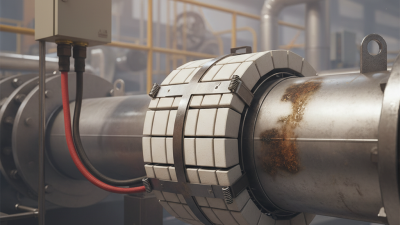
The construction of a Ceramic Band Heater allows for even heat distribution. This helps maintain consistent temperatures, reducing the risk of overheating. Such precision is essential in manufacturing processes where temperature control is crucial. However, achieving optimal performance requires regular maintenance and careful monitoring.
Many users appreciate the energy efficiency offered by Ceramic Band Heaters. They can quickly reach desired temperatures, saving time and resources. Yet, it is important to select the right model for specific needs. Understanding the features and potential limitations of Ceramic Band Heaters is key for effective use.
What is a Ceramic Band Heater and Its Basic Composition
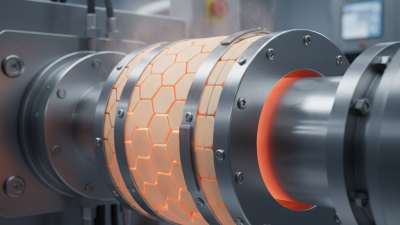
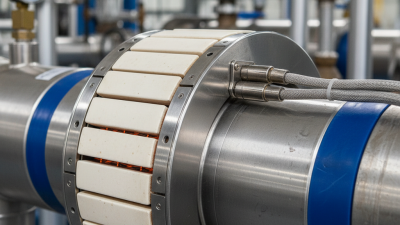
A ceramic band heater is a specialized heating element designed for various industrial applications. Its primary composition includes a ceramic insulation layer, a metallic band, and resistance wire. The ceramic material is crucial as it can withstand high temperatures, often up to 1000°C. This makes ceramic band heaters ideal for processes that require consistent heat, such as in plastic molding or packaging.
The metallic band typically encases the ceramic core and provides structural integrity. Resistance wire is wound around the ceramic insulation to generate heat when electricity flows through it. The design allows for efficient heat transfer while minimizing energy losses. However, achieving the perfect balance in manufacturing these heaters can be challenging. Variations in material quality and assembly can lead to inconsistencies in performance.
Many users report that finding the right fit for specific machinery is not straightforward. Each application has unique temperature and size requirements, complicating the selection process. Furthermore, while ceramic band heaters are durable, their performance can degrade if exposed to thermal shocks or improper installation. Understanding these factors can lead to better choices and enhance operational efficiency.
The Operating Principle: How Ceramic Band Heaters Generate Heat
Ceramic band heaters are efficient devices designed to heat cylindrical objects, commonly found in manufacturing settings. Their operation hinges on the use of a ceramic insulator to generate and maintain heat. This insulator allows for higher temperature tolerances, often exceeding 1,000°F (538°C). Such high temperatures can significantly enhance production efficiency.
The core principle of a ceramic band heater is its resistance heating element. When electricity flows through the element, it converts electrical energy into thermal energy. This direct conversion increases energy efficiency, reducing the need for additional insulation. According to recent industry reports, ceramic band heaters can improve energy efficiency by up to 30% compared to traditional heaters. That’s a sustainable choice for manufacturers keen on reducing their carbon footprint.
Yet, it's important to note that the installation of ceramic band heaters requires precision. Improper fitting can lead to hotspots or uneven heating. Additionally, some users may overlook the need for regular maintenance, which can impact longevity and efficiency. Industry experts emphasize the necessity of routine checks. Such diligence can avoid operational inefficiencies and costly downtimes.
Key Advantages of Using Ceramic Band Heaters in Industrial Applications
Ceramic band heaters are widely used in industrial settings. They offer several advantages over traditional heating methods. These heaters provide uniform heat distribution, which is crucial for processes requiring precise temperature control. According to a report by the International Journal of Thermodynamics, ceramic band heaters can reduce energy costs by up to 30% when compared to traditional metal heaters.
One significant advantage is their durability. Ceramic materials can withstand high temperatures and resist thermal shock. This longevity translates to reduced maintenance costs and fewer replacements over time. However, users should be aware that improper installation can lead to uneven heating or even equipment damage. Regular checks and installation adjustments are essential for optimal performance.
Additionally, ceramic band heaters heat up quickly, improving productivity. They reach their operating temperature in shorter time frames than metal options. A study by the American Society of Mechanical Engineers noted that quicker heating reduces downtime in manufacturing processes. Yet, this efficiency could make operators overlook the importance of monitoring temperature fluctuations, which could impact product quality. Awareness and constant supervision remain vital in maximizing the benefits of ceramic band heaters.
Industry Applications: Where Ceramic Band Heaters Are Commonly Used
Ceramic band heaters are widely used in various industries due to their efficient heating capabilities. They excel in applications where precise temperature control is essential. Often found in plastics processing, these heaters can maintain consistent heat around barrels and hoses. This allows for smooth material flow and optimal production rates.
Another common application is in food processing. Ceramic band heaters warm holding tanks, ensuring food products remain at safe temperatures. They are reliable, leading to less product waste. Industries like packaging also rely on these heaters. They help seal packages effectively, enhancing shelf life and safety.
Tips for use include proper installation. Ensure even spacing around the heater for uniform heat distribution. Regular maintenance checks can prevent potential hotspots. Keep an eye on operating temperatures; overheating can damage both the heater and the product. Always refer to safety guidelines for best practices.
Applications of Ceramic Band Heaters in Various Industries
Ceramic band heaters are widely utilized across various industries for their efficiency in heating applications. The chart above illustrates the percentage usage of ceramic band heaters in different sectors, showcasing their prominence in plastics, food processing, and other key industries.
Performance Metrics: Efficiency and Temperature Control in Ceramic Band Heaters
Ceramic band heaters are known for their efficiency and control over temperature. They fit snugly around cylindrical objects, providing even heat distribution. This design allows for quick heating, essential in industrial applications like injection molding and extrusion. Users often appreciate the rapid response to temperature adjustments, making production processes smoother.
Performance metrics are critical when assessing these heaters. Efficiency is usually measured by how well the heater converts electrical energy into heat. A well-designed ceramic band heater can reach high temperatures quickly while using less energy. However, not all models achieve optimal performance. Some heaters might struggle with uniform heat distribution, leading to hot spots. This inconsistency can affect the quality of the end product.
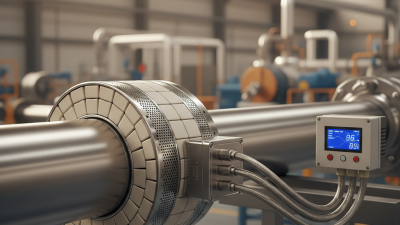
Temperature control plays a pivotal role in the operation of ceramic band heaters. Advanced controllers are used to maintain precise temperature settings. Accurate control can prevent overheating and reduce energy waste. However, challenges still exist. Inconsistent calibration of controllers can lead to unexpected fluctuations. This can undermine the intended efficiency and requires regular maintenance for optimal results. Addressing these challenges is key to harnessing the full potential of ceramic band heaters.