Why Choose an Infrared Electric Heater for Efficient Home Heating?
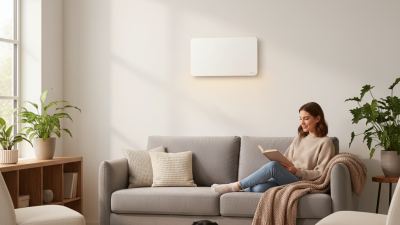
When it comes to home heating, efficiency is key. An infrared electric heater stands out in this regard. According to Jane Smith, an expert in energy-efficient heating solutions, “Infrared electric heaters provide targeted warmth, reducing energy waste.” This approach not only keeps your home comfortable but also minimizes energy bills.
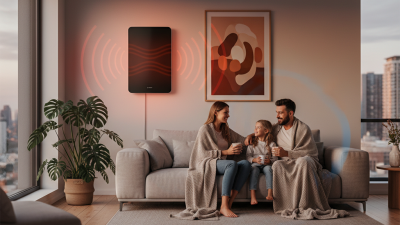
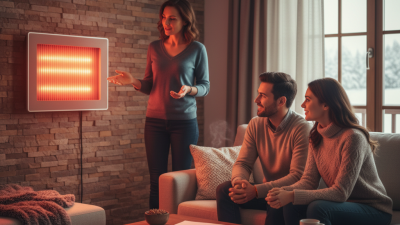
The technology behind infrared electric heaters is fascinating. They emit infrared radiation, which directly warms objects and people in the room. This means you can feel warm without heating the entire space unnecessarily. Many homeowners appreciate this precise heating method. However, some may question if they can rely solely on this type of heater for their entire home. It's essential to weigh the pros and cons carefully.
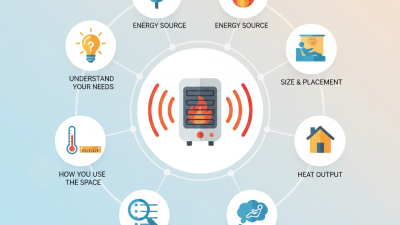
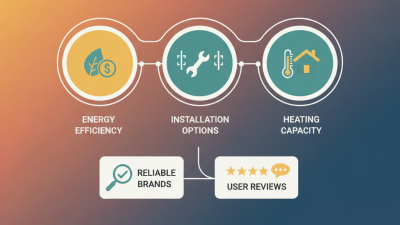
Choosing an infrared electric heater requires consideration of your specific needs. Factors such as room size and insulation play a role. Seek reliable reviews and real-life user feedback to inform your choice. While these heaters have many benefits, they may not suit every situation. Reflecting on your heating requirements can lead to better decision-making.
Understanding Infrared Electric Heaters and Their Functionality
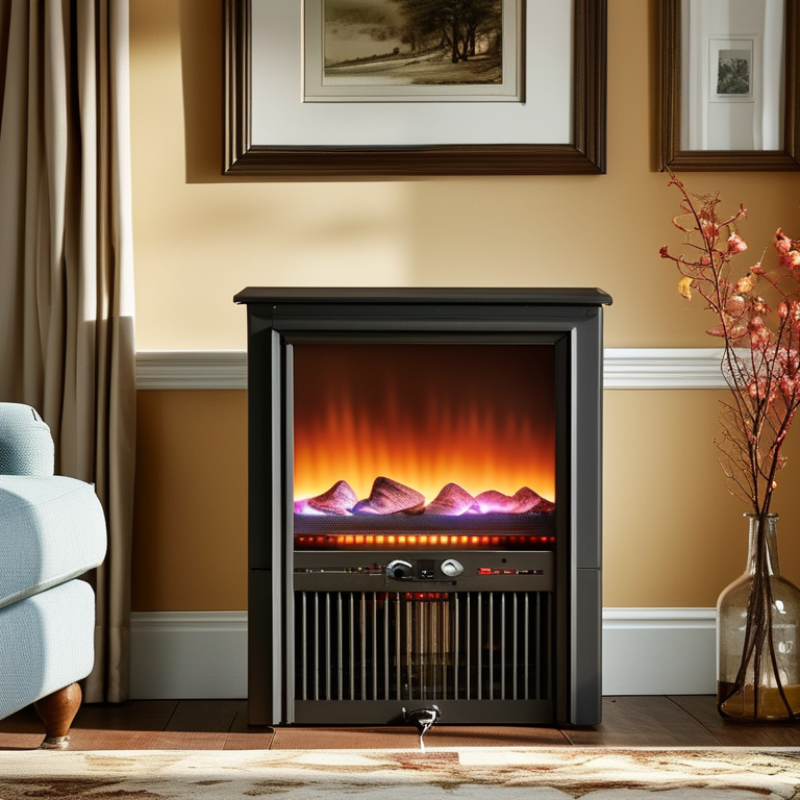
Infrared electric heaters operate by emitting infrared radiation. This energy directly warms objects in a room, rather than just the air. This creates a more efficient heating process, as the warmed objects retain heat longer. According to a report by the U.S. Department of Energy, infrared heaters can achieve up to 90% energy efficiency.
These heaters are often compact and portable. They can be placed in various rooms, allowing for targeted heating. The setup is straightforward. Many models come with adjustable settings, allowing users to control the temperature easily. An efficiency report highlighted that infrared heaters can reduce heating costs by up to 50% when compared to conventional methods.
However, there are some considerations. Infrared heaters may not be effective in all spaces, especially large or drafty areas. They also require unobstructed devices to work optimally. Regular maintenance is essential for sustained performance, which some users overlook. Overall, understanding the unique functionality of infrared electric heaters can lead to more informed heating decisions.
Advantages of Infrared Electric Heaters Over Traditional Heating Methods
Infrared electric heaters offer several advantages over traditional heating methods. They work by directly warming objects and people in a room, rather than heating the air. This results in quicker warmth and increased comfort. With this technology, you can feel the heat almost immediately after turning the unit on. The energy efficiency of infrared heaters is noteworthy. They use less electricity to produce the same amount of heat, saving on energy bills.
Unlike conventional systems that can lose heat through ductwork, infrared heaters provide targeted heating. This means less energy waste and more consistent temperatures in your living space. Installation is often simpler as well. Many models require minimal setup. However, one must consider placement carefully to avoid uneven heating in larger areas.
While infrared heaters are effective, they do have limitations. They may not be suitable for every room, especially those with high ceilings or poor insulation. Regular maintenance is still required to ensure they function optimally. There is also a learning curve in terms of placement and usage. Reflecting on these factors can help users make informed choices about their heating options.
Energy Efficiency and Cost-Effectiveness of Infrared Heating Solutions
Infrared electric heaters are gaining popularity for their energy efficiency. They convert electricity into heat with minimal energy loss. This direct heating method warms up objects and people quickly. As a result, rooms reach comfort levels faster than traditional heaters.
The design of infrared heaters often makes them more cost-effective over time. They can operate at lower temperatures, consuming less energy while providing warmth. This lower energy consumption translates into reduced utility bills. Homeowners can appreciate the immediate effects without waiting for conventional systems to heat the air.
However, there are considerations. Infrared heaters may not heat large spaces effectively. They work best in smaller, enclosed areas. Reflecting on how to optimize their use can enhance efficiency. Additionally, placement matters; positioning these heaters correctly is crucial for maximizing their potential. Understanding these factors can lead to informed choices.
Energy Efficiency of Heating Solutions
Safe Usage and Maintenance Tips for Infrared Electric Heaters
Infrared electric heaters are an excellent choice for home heating. They warm objects and people directly, creating a cozy environment. However, proper usage and maintenance are essential to ensure safety and efficiency.
When using an infrared heater, keep an eye on its placement. Position it away from flammable materials and avoid placing it near water sources. This will minimize the risk of accidents. Always ensure proper ventilation for optimal performance. Dust can accumulate over time and affect heating efficiency.
Regular maintenance is crucial. Clean the heater regularly to prevent dust buildup. Check for any signs of wear or damage. Replace any frayed cords immediately to avoid electrical hazards. Remember, safety should always come first. Inspecting your heater periodically can prevent potential issues. Keeping up with these practices makes your infrared heater a reliable and efficient heating solution.
Applications and Ideal Settings for Infrared Electric Heating Systems
Infrared electric heaters are gaining popularity for residential heating. They are efficient, providing warmth directly to objects and people rather than the air. This method ensures faster heat distribution and comfort.
Ideal applications for infrared heaters include small spaces like bedrooms and bathrooms. These systems excel in areas needing quick warmth. They are also beneficial in open spaces, such as patios, providing comfort during chilly evenings. Reports indicate that infrared heating can reduce energy consumption by up to 30% in certain setups, making it a cost-effective choice.
**Tip:** Consider using infrared heaters in well-insulated rooms to maximize efficiency. They work best when the heat is not lost through drafts.
Another setting to consider is workshops or garages, where quick heat is often needed. These heaters can warm you up almost instantly without long wait times. However, they may not be suitable for large, poorly insulated spaces. Always assess your room size and insulation before installation.
**Tip:** Regularly check your insulation to ensure optimal performance. A well-insulated space can greatly enhance the heating effect.
Why Choose an Infrared Electric Heater for Efficient Home Heating? - Applications and Ideal Settings for Infrared Electric Heating Systems
| Application |
Ideal Setting |
Benefits |
Heating Area (sq ft) |
| Residential Living Rooms |
Open spaces with high ceilings |
Rapid heating, comfortable ambiance |
200 - 400 |
| Bathrooms |
Small enclosed areas |
Moisture resistant, quick warm-up |
100 - 300 |
| Workshops |
Large, uninsulated spaces |
Targeted heating, energy efficient |
300 - 600 |
| Nighttime Heating |
Bedrooms and sleep areas |
Increases comfort during sleep |
150 - 250 |
| Outdoor patios |
Covered outdoor areas |
Extends outdoor living season |
100 - 300 |