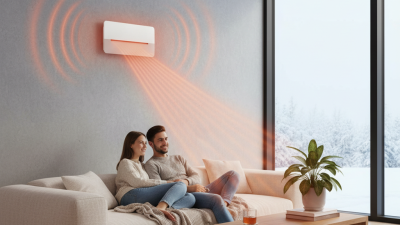
Why Choose Infrared Heater for Efficient Heating Solutions?
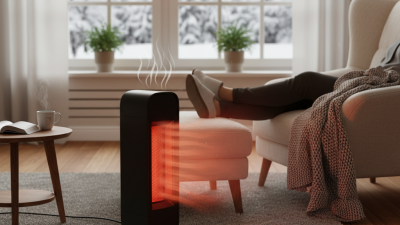
In recent years, the demand for efficient heating solutions has surged. With rising energy costs and increasing environmental concerns, many households and businesses seek effective alternatives. An infrared heater emerges as a frontrunner in this quest. These heaters provide warmth by directly heating objects and people, rather than the air. This method is not only energy-efficient but also quick and effective.
Choosing an infrared heater can provide significant benefits. They consume less energy and result in lower heating bills. The heat produced is comfortable and immediate, making rooms cozy within minutes. Homeowners appreciate the silent operation, which creates a serene atmosphere. However, selecting the right model requires research. Not all infrared heaters are created equal, and quality varies greatly.
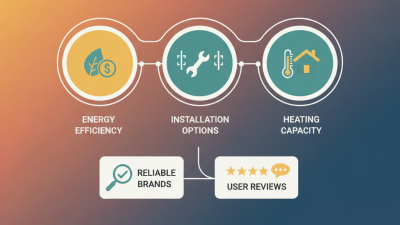
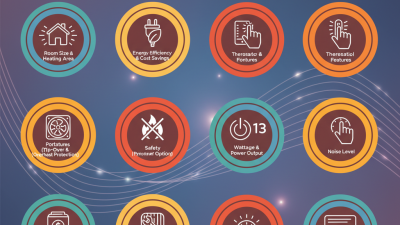
It’s essential to consider factors like wattage, coverage area, and safety features. Some users may find certain models costly upfront. Yet, the long-term savings can outweigh initial expenses. It’s worth evaluating both needs and budget. Ultimately, investing in an infrared heater could lead to a more comfortable and efficient living space.

Benefits of Using Infrared Heaters for Energy Efficiency
Infrared heaters have gained popularity for their unique approach to heating. Unlike traditional heaters, they warm objects and people directly. This method provides instant comfort and is particularly beneficial in spaces where quick heat is necessary. Many users appreciate how these heaters immediately create a warm environment without the lag associated with conventional systems.
Energy efficiency is one of the key benefits of infrared heaters. They use less energy because they focus on warming specific areas rather than the entire room. As a result, you can save on utility bills. Users often note that these heaters work well in open spaces or drafty areas. However, they may struggle to maintain warmth in larger, poorly insulated environments. This factor prompts users to consider their specific needs before deciding.
Moreover, infrared heaters emit fewer pollutants and allergens. This feature makes them ideal for households with allergies or respiratory issues. Yet, it's vital to remember that safety precautions should be observed. Some users may overlook the possibility of burns or fires if heaters are placed too close to flammable materials. Overall, infrared heaters present a modern, efficient solution worth exploring for anyone seeking smarter heating options.
Comparison of Infrared Heaters vs. Traditional Heating Methods
Infrared heaters offer a unique approach to heating compared to traditional methods. Instead of warming the air, they heat objects and people directly. This creates a more comfortable environment, as you feel warmth almost instantly. In contrast, traditional systems heat the air, which can lead to drafts and uneven temperatures.
With traditional heating, you may find cold spots in a room. Air needs time to circulate and warm up. Infrared heaters eliminate this problem. They operate efficiently, ensuring that energy is directed where it’s needed. As a result, users often report lower energy bills. However, placing the heater in a poor location can affect its performance.
Another area for consideration is safety. Traditional heating systems can pose risks like overheating or fire hazards. Infrared heaters typically run cooler to the touch, reducing this risk. However, they still require careful placement away from flammable materials. Overall, both methods have their pros and cons. The choice often depends on specific needs and preferences when it comes to efficient heating.
Why Choose Infrared Heater for Efficient Heating Solutions?
| Feature |
Infrared Heaters |
Traditional Heaters |
| Heating Efficiency |
Up to 95% |
60-80% |
| Response Time |
Immediate |
Slow (15-30 mins) |
| Installation Cost |
Low |
Higher |
| Operating Cost |
Lower |
Higher |
| Environmental Impact |
Eco-friendly |
Less Eco-friendly |
| Maintenance |
Minimal |
Regular Maintenance Required |
| Noise Level |
Silent |
Can be Noisy |
Understanding the Technology Behind Infrared Heating Systems
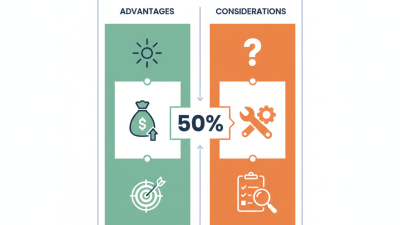
Infrared heating technology has gained significant traction in recent years. This efficient heating solution relies on infrared radiation to warm objects and people directly. According to a report by the U.S. Department of Energy, infrared heaters can be up to 50% more efficient than traditional heating methods. This efficiency can lead to substantial energy savings, especially in large or poorly insulated spaces.
Infrared systems operate by emitting wavelengths of light that are absorbed by surfaces in the vicinity. Unlike conventional heaters, which warm the air, infrared heaters create a more comfortable environment by heating objects. This method reduces heat loss and maintains warmth even after the heater is turned off. A study from the International Energy Agency noted that these systems can significantly decrease heating costs, making them a popular choice for both residential and commercial applications.
Despite their advantages, some critics point to the uneven distribution of heat as a drawback. Infrared heaters may not uniformly warm larger areas. Users might need to strategically position heaters to achieve desired comfort levels. It's important to consider these factors when choosing heating solutions. Understanding the technology behind infrared systems helps consumers make informed decisions that align with their needs and environmental goals.
Key Industry Statistics on Infrared Heater Performance and Efficiency
Infrared heaters are increasingly recognized for their efficiency in heating spaces. Studies show that they can operate at a conversion rate of about 98%. This means almost all the energy consumed is transformed into heat. In comparison, traditional heating systems often have lower efficiency rates. They typically lose a significant amount of energy. This paints a clear picture of the advantages of using infrared heating technology.
Further statistics highlight the speed of heating. Infrared heaters can heat a room in minutes. In contrast, conventional systems may take much longer. This rapid heating time can save energy and reduce overall costs, especially during colder months. However, some users report uneven heating in larger spaces. They may find certain areas warmer than others, which can be a disadvantage.
Additionally, maintenance is another consideration. Infrared heaters require less upkeep than traditional units. Dust and dirt can quickly accumulate on traditional systems, affecting their performance. Meanwhile, infrared heaters can operate efficiently with minimal cleaning. However, individuals must regularly monitor their heating needs. It’s essential to ensure optimal placement. Proper positioning can enhance performance and comfort.
Common Applications and Use Cases for Infrared Heating Solutions
Infrared heaters have gained traction in various settings due to their unique heating capabilities. One common use case is in residential spaces. Many homeowners rely on infrared heaters for localized warmth. They find these heaters effective in specific rooms, such as living areas or bedrooms. The ability to heat objects directly instead of the air makes them energy-efficient. However, some users report a learning curve in optimal placement.
Industrial applications showcase infrared heating’s versatility. Factories utilize these heaters for drying and curing processes. They can maintain precise temperatures, which is crucial for quality control. Yet, there are concerns about uneven heating in large areas. Workers must be cautious to avoid temperature extremes.
Outdoor patios also welcome infrared heating solutions. These heaters extend outdoor seasons by providing warmth in cold months. Many people enjoy dining outside during chilly evenings. However, placement is key; improper positioning could leave some areas cold. Balancing these factors ensures effective use of infrared technology.