How to Choose the Best Infra Ray Heaters for Your Needs?
Choosing the right Infra Ray Heaters can greatly enhance comfort in your space. These heaters use infrared technology to warm up objects directly. They are efficient and can save on energy costs. However, selecting the best one can be challenging.
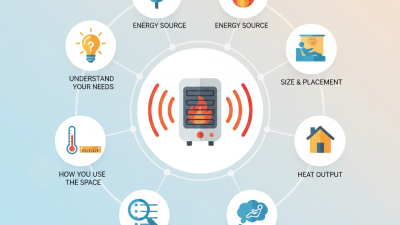
Understand your needs before making a decision. Consider the size of the area you want to heat. Some models work best in small rooms, while others are suited for larger spaces. Think about whether you need portable units or fixed installations. Each option comes with its own benefits.
Quality matters. Look for heaters with safety features, such as automatic shut-off. Read reviews to gauge performance. While some products might seem ideal, they may not always deliver as promised. Take time to research and reflect on the options available. Your choice should align with your specific heating requirements and preferences.
Understanding Infra Ray Heaters: Types and Technologies
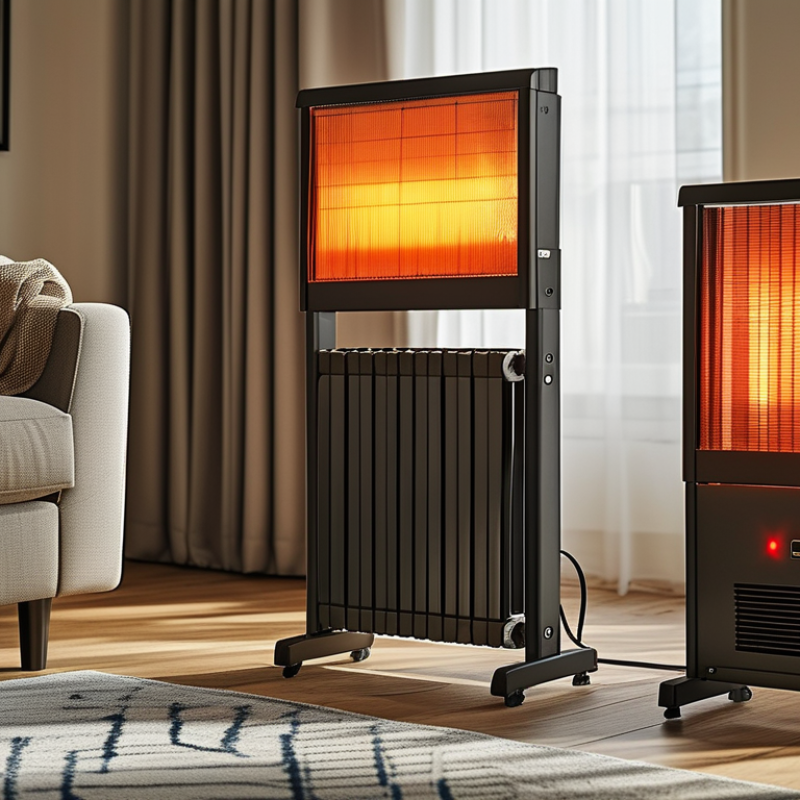
Infra ray heaters, also known as infrared heaters, utilize infrared radiation to heat spaces efficiently. There are primarily three types of infrared heaters: quartz, ceramic, and carbon. Each type has unique features that cater to different needs. Quartz heaters warm up quickly but may not provide the best energy efficiency for long-term use. Ceramic heaters offer steady warmth and are often recommendable for medium-sized spaces. Carbon heaters are known for their energy efficiency and even heat distribution.
According to a survey by the Department of Energy, infrared heating can be up to 30% more efficient than traditional heating systems. This efficiency comes from the way infrared technology directly heats people and objects instead of air. In commercial settings, radiant heating systems have been shown to reduce energy bills by up to 50%. However, the initial investment for some infrared products can be higher, and users must consider ongoing energy costs.
When choosing an infrared heater, factors like space size, insulation quality, and heater type are crucial. A poorly situated heater may not perform well. Buyers should seek models that offer low operational noise and a reasonable warranty. Understanding these details ensures that users make informed choices. While infrared technology has advantages, it's essential to question whether it meets individual heating needs.
Evaluating Heating Needs: Room Size, Insulation, and Use Cases
When choosing infrared heaters, understanding your room's characteristics is crucial. Different spaces have unique heating demands. A standard recommendation is to allow
10 watts per square foot in well-insulated areas. For poorly insulated rooms, this figure can double. Therefore, a 200 square foot room
might need 2,000 watts in total.
Insulation plays a significant role. According to the U.S. Department of Energy, homes with better insulation can save 15-25% on energy bills. Rooms with large
windows, high ceilings, or extensive exterior walls require additional heating. Evaluating these factors helps to ensure comfort and efficiency.
Additionally, consider how you will use the space. For example, a living area often requires consistent warmth, while a workshop might need sporadic heat. Preferences vary, but the right heater can improve comfort
and save costs. It's essential to reflect on your heating needs and space usage before making a choice.
Key Features to Look for in Infra Ray Heaters
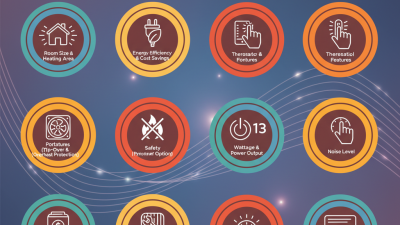
When selecting an infrared ray heater, understanding key features is essential. Start with power output. Typical infrared heaters range from 250 to 1500 watts. Higher wattage provides more heating capacity, ideal for larger spaces. However, efficiency varies. A heater with 1,200 watts may not always outperform a 600-watt model if the latter is designed for efficiency.
Build quality is another crucial aspect. Look for durable materials that withstand high temperatures. Some models use ceramic, while others may feature metal construction. Research shows that heaters made from high-quality materials last longer. This translates to a better return on investment. Consider the heat distribution as well. Some heaters deliver even warmth, while others may create hot or cold spots.
Safety features cannot be overlooked. Heaters should have built-in thermostats to prevent overheating. Automatic shut-off is a must. These features enhance reliability, especially in homes with children or pets. Finally, consider portability. Lightweight models allow for easy movement, promoting flexibility in heating options. Balancing these features ensures you choose a heater that meets your specific needs while providing comfort and safety.
Comparison of Key Features in Infra Ray Heaters
Energy Efficiency and Cost Considerations in Infra Ray Heaters
When selecting an infrared ray heater, energy efficiency is paramount. These heaters convert electric energy directly into heat, which means they can warm a room quickly. Look for models with good energy ratings. This will impact your electricity bills. A well-rated heater might cost more upfront, but it saves money in the long run.
Cost considerations also extend to installation and maintenance. Some heaters require professional installation, adding to initial costs. Ensure you understand total expenses before making a decision. Regular maintenance can reduce energy waste and prolong the heater's lifespan.
Tip: Evaluate your space size. A larger area may need a more powerful unit to heat effectively. Also, think about safety features. These can prevent accidents and improve the efficiency of your heating system. Balancing cost, efficiency, and safety will lead to better choices. What works for one home may not suit another, so research is vital.
Safety Features and Maintenance Tips for Infra Ray Heaters
When choosing Infra Ray heaters, safety features are crucial. Look for models with overheat protection. This prevents the heater from reaching unsafe temperatures. An automatic shut-off feature can also enhance safety. These features minimize risks and give peace of mind.
Regular maintenance is essential for longevity. Dust and dirt can accumulate and affect functionality. Wipe the exterior and clean the vents regularly. Ensure that the power cord is in good condition. Inspect it for any signs of wear or damage. If something seems off, it's wise to seek professional help.
Tips: Always follow manufacturer instructions for maintenance. Schedule periodic checks to ensure everything is functioning well. Sometimes, it's easy to overlook these details, but they can make a significant difference. Prioritize these tasks for optimal safety and performance.
How to Choose the Best Infra Ray Heaters for Your Needs?
| Feature |
Description |
Importance |
Maintenance Tips |
| Safety Features |
Overheat protection, tip-over switch, and durable materials. |
High |
Regularly check for functionality of safety features. |
| Heating Efficiency |
Power consumption, heat output, and area coverage. |
High |
Clean heater surfaces to promote efficiency. |
| Portability |
Weight, built-in handles, and mobility features. |
Medium |
Inspect wheels or stands for stability and ease of movement. |
| Control Features |
Remote control, programmable settings, and digital displays. |
Medium |
Test remote controls and settings regularly. |
| Noise Level |
Operational noise during heating. |
Low |
Ensure fan components are free of dust and debris. |
| Warranty |
Length of warranty and coverage details. |
High |
Register the heater for warranty coverage. |