How to Choose the Best Infrared Panel Heater for Your Needs?
Choosing the right Infrared Panel Heater can significantly impact your comfort and energy bills. According to John Smith, an expert in renewable heating solutions, "A well-selected infrared heater can transform your space efficiently.” With various options available, it’s essential to consider your specific needs.
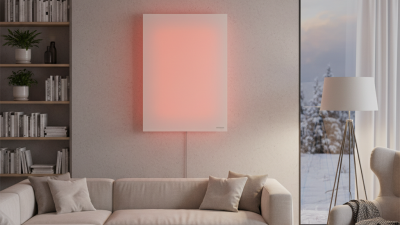
Infrared Panel Heaters operate differently than traditional heaters. They provide direct warmth by emitting infrared radiation. This means you feel heat immediately, unlike conventional systems that heat the air first. Your choice should reflect factors like room size, insulation, and personal comfort preferences.
Reflect on your past heating experiences. Have you faced cold spots in your home? Or maybe high electricity bills? Identifying these issues can guide your decision. Remember, not every heater suits every situation. Carefully evaluate your options, and you might just find that ideal Infrared Panel Heater.
Understanding Infrared Panel Heaters and Their Benefits
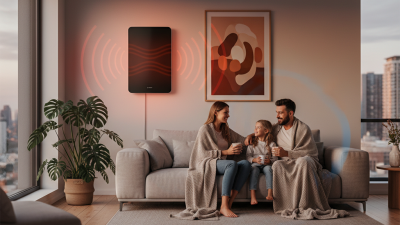
Infrared panel heaters are gaining recognition for their unique heating approach. Unlike traditional heaters, they emit infrared rays that directly warm objects and people in the room. This is a more efficient way to heat spaces, utilizing up to 30% less energy. According to the U.S. Department of Energy, infrared heating can significantly reduce heating costs, making it an appealing option for homeowners.
These heaters are known for their quick warming effect. Panel heaters typically reach full temperature in under 10 minutes. This agile performance contrasts with conventional heaters, which can take much longer. Radiant heat also allows for a more uniform distribution of warmth in a room. Many users appreciate the absence of drafts, uncomfortable temperature peaks, and cold spots.
Additionally, infrared panel heaters can contribute to improved air quality. They reduce dust circulation, as they don't rely on blowing air. Studies by the Energy Saving Trust indicate that infrared heating can lower humidity levels, thus preventing mold growth. Despite these advantages, some consumers express concerns over the initial investment cost. Evaluating the long-term benefits versus the upfront expenses is essential for informed decision-making.
Evaluating Heating Capacity and Room Size Requirements
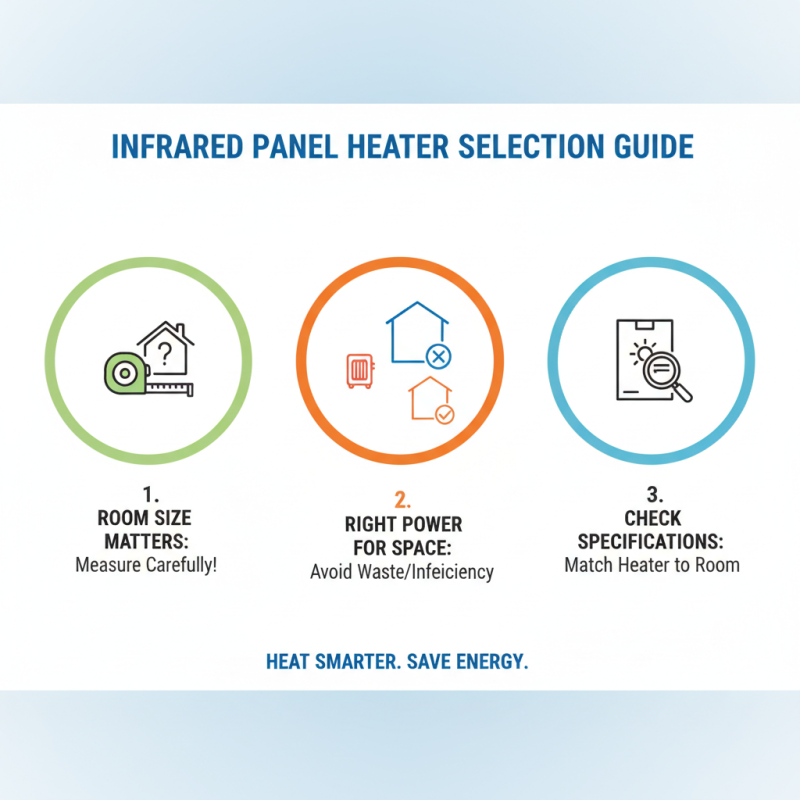
When choosing an infrared panel heater, understanding heating capacity and room size is essential. Infrared heaters are valued for their efficient heating, but they vary in capacity. The heating power is usually measured in watts. A standard guideline is 10 watts per square foot. For instance, a 100-square-foot room typically requires around 1,000 watts. However, this can change based on insulation quality and ceiling height.
Room size directly affects the performance of an infrared heater. A small, well-insulated room may need less power. In contrast, a larger room with drafty windows may require more. Many experts suggest considering future needs. If you might expand the space or use it differently, it may be wise to opt for a slightly more powerful unit. According to a report by the National Renewable Energy Laboratory, improperly sized heaters can lead to inefficient operation and higher energy costs.
Heat distribution is another critical factor. Even with the right wattage, an ineffective placement can cause cold spots. It’s vital to assess the layout of your room. Consider obstacles like furniture and walls that might obstruct heat flow. Take time to evaluate these factors before making a purchase. Ensuring that your heater matches your specific requirements can lead to significant comfort and energy savings.
How to Choose the Best Infrared Panel Heater for Your Needs? - Evaluating Heating Capacity and Room Size Requirements
| Model |
Heating Capacity (W) |
Recommended Room Size (sq ft) |
Dimensions (inches) |
Weight (lbs) |
| Model A |
800 |
100 - 150 |
24 x 12 |
5.5 |
| Model B |
1000 |
150 - 200 |
30 x 14 |
6.5 |
| Model C |
1200 |
200 - 250 |
36 x 18 |
7.5 |
| Model D |
1500 |
250 - 300 |
42 x 20 |
9.0 |
Energy Efficiency Ratings and Their Importance
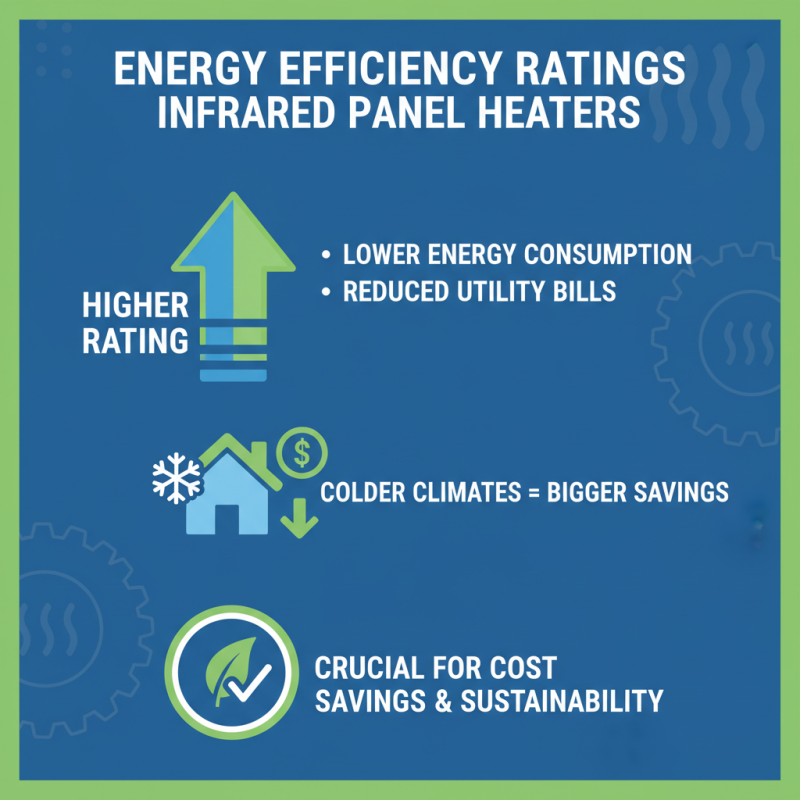
When selecting an infrared panel heater, energy efficiency ratings are crucial. These ratings indicate how effectively a heater converts electricity into heat. A higher rating means lower energy consumption, which translates to reduced utility bills. This is especially important for those living in colder climates, where heating costs can skyrocket.
Understanding the energy efficiency rating can be complicated. Some heaters may seem appealing based on their initial price, but long-term costs matter more. Consider the wattage and the expected usage hours. A heater that operates efficiently can save you money over time. Look for models with at least an A rating, although A+++ provides the best performance.
Not all heaters are created equal, and not every product lives up to its efficiency claims. It's essential to rely on reputable sources for information. User reviews and independent tests can reveal how well a product performs in real life. Sometimes, a good-looking product may perform poorly in terms of efficiency. Take the time to research your options carefully to ensure you choose a heater that meets your needs without excessive energy waste.
Additional Features and Installation Options to Look For
When selecting an infrared panel heater, it's essential to consider installation options and additional features that enhance its functionality.
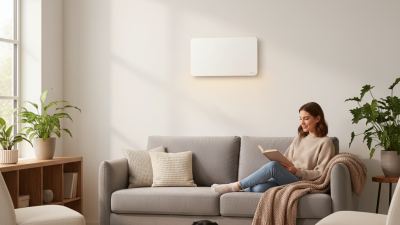
Wall-mounted options save floor space and can seamlessly blend with your decor. Free-standing models offer flexibility, easily moving from room to room. Always assess your available space and installation preferences.
Look for features like timers and thermostats. These allow for automated operation, helping to save energy. Smart controls can connect to your home network, enabling remote adjustments via smartphone apps. This means you can adjust the temperature even when you’re not home.
Be mindful of safety features, such as overheat protection. This prevents the heater from overheating, which is crucial in homes with pets or children. Also, consider ease of maintenance. Some models may require regular cleaning to ensure optimal performance.
It’s important to balance your heating needs with convenience.