How to Choose the Best Finned Heater for Your Needs?
Choosing the right Finned Heater is crucial for efficiency and comfort in various environments. According to a 2022 industry report by HVAC Research, Finned Heaters can increase heating efficiency by up to 25% compared to traditional systems. This efficiency not only saves energy but also lowers costs, making them a popular choice.
Expert John Smith, a leading authority in the heating sector, noted, "Selecting the right Finned Heater is critical for optimizing space and energy use." His insights emphasize the importance of understanding the specific heating requirements of your area. Various models exist, each designed for distinct applications, from residential to commercial spaces.
Despite the benefits, users often overlook key factors. The size, wattage, and installation type significantly impact performance. A finned heater that is too small will struggle to heat effectively. Conversely, one that is too large may lead to higher operational costs. Evaluating these aspects ensures a better match for your needs.
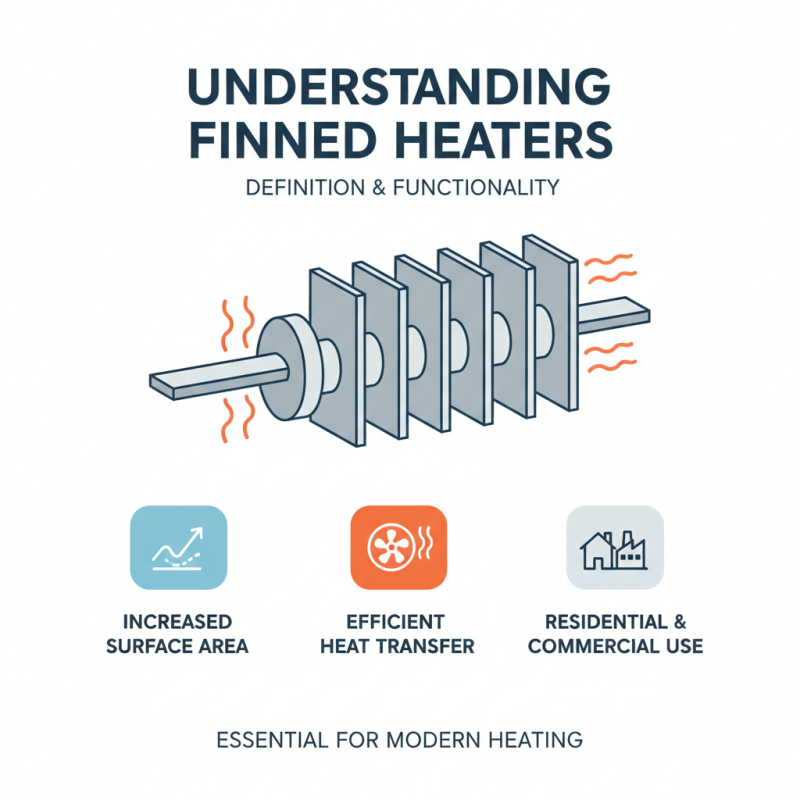
Understanding Finned Heaters: Definition and Functionality
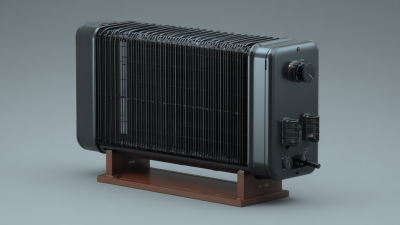
Finned heaters are essential components in modern heating systems. They work by increasing the surface area that heats the air around them. The fins allow the heater to transfer heat more efficiently. This design makes finned heaters popular in both residential and commercial environments.
Understanding their functionality is critical when selecting one for your space. Finned heaters operate by circulating air over the heated fins. Hot air rises while cooler air is drawn in beneath. This process creates a continuous flow of warm air throughout the room.
When choosing a finned heater, consider the heating capacity and size of your space. An undersized heater may struggle to maintain comfort. On the other hand, an oversized unit can lead to energy waste. It’s crucial to assess your insulation and heating needs carefully. Every space has unique requirements. Taking time to evaluate these factors can lead to a more effective heating solution.
Types of Finned Heaters: Electric vs Gas Models
When considering finned heaters, you'll encounter two primary types: electric and gas models. Electric finned heaters are popular for their convenience and efficiency. They typically require minimal installation. You just need an electrical outlet to get started. They heat up quickly and provide an even warmth. However, they may be less effective in large or drafty spaces. People often find that they need additional units for complete comfort.
On the other hand, gas finned heaters have their own advantages. They are generally more powerful than electric models. This makes them suitable for larger areas. They can heat up a room quickly, even in very cold weather. Yet, gas models require proper ventilation, which can complicate installation. Additionally, users must consider ongoing fuel costs. Maintenance can also be more intensive with gas heaters, as they involve safety checks for gas leaks.
Overall, both types have distinct benefits and drawbacks. Evaluating your space, budget, and heating needs is essential. Consider how often you'll use the heater and for which purposes. Each choice merits careful thought, and there’s no one-size-fits-all solution.
How to Choose the Best Finned Heater for Your Needs? - Types of Finned Heaters: Electric vs Gas Models
| Type |
Power Source |
Efficiency |
Installation Cost |
Operating Cost |
Ideal Use Cases |
| Electric Finned Heater |
Electricity |
High |
Low to Moderate |
Moderate |
Residential, Small Spaces |
| Gas Finned Heater |
Natural Gas or Propane |
Very High |
Moderate to High |
Low |
Large Spaces, Commercial Use |
| Portable Electric Heater |
Electricity |
High |
Low |
Moderate |
Temporary Heating, Workshops |
| Wall-Mounted Gas Heater |
Natural Gas |
Very High |
High |
Low |
Whole House Heating, Long-Term Use |
Key Features to Consider When Choosing a Finned Heater
When selecting a finned heater, several key features should be considered to ensure it meets your heating needs. Efficiency is paramount. Look for models with a high energy-efficiency rating. According to the Department of Energy, heaters with better ratings can save homeowners up to 30% on heating costs. This is a significant factor, especially in colder climates where heating expenses are high.
Another important aspect is the size of the heater. A heater that is too small will struggle to warm the space, while an oversized unit can lead to unnecessary energy consumption. It's crucial to calculate the room's square footage to find the appropriate BTU output. Also, consider the heating technology employed. Convection models heat air more evenly, while radiant options provide direct warmth. Depending on your preferences, you may prioritize one over the other.
Noise level is often overlooked but can significantly impact comfort. Some finned heaters operate quietly while others may produce distracting sounds. Research suggests that over 50% of users prioritize a quiet operation in their heating devices. Additionally, think about the design and portability. A sleek, stylish look may enhance your decor, while a lighter model can provide flexibility. Balancing these features will help you choose a finned heater that truly fits your needs and lifestyle.
Finned Heater Key Features Comparison
Assessing Your Heating Space: Size and Capacity Requirements
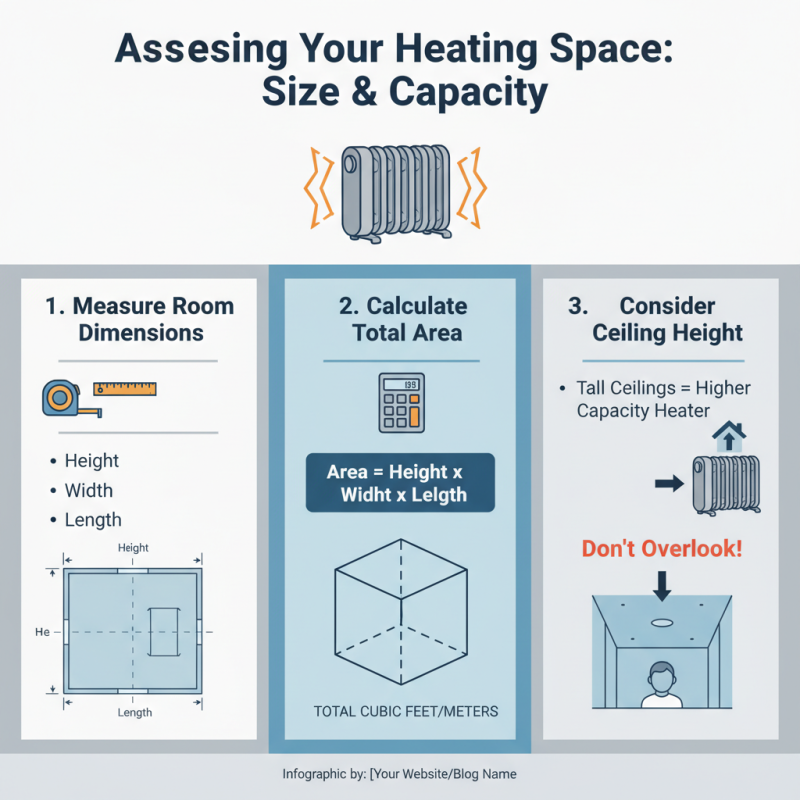
When selecting a finned heater, it's crucial to assess your heating space carefully. Start by measuring the room dimensions. Consider the height, width, and length to determine the total area you need to heat. A common mistake is overlooking ceiling height. A room with tall ceilings will require a heater with a higher capacity.
Next, think about the insulation quality of your space. Poorly insulated rooms lose heat quickly. If your space has drafty windows or thin walls, you might need a more powerful heater. Also, explore the heater's capacity in BTUs, as this will help match the performance to your specific needs. Remember, an overpowered heater can lead to energy waste and higher bills.
Finally, reflect on the placement of the heater. Ensure it won't be obstructed by furniture or curtains. Proper airflow is vital for efficiency. Adjusting your heater's position may affect its effectiveness. Be prepared to experiment a bit with placement to find the best setup for your comfort. This exploration can be challenging, but it’s key for heating satisfaction.
Energy Efficiency and Cost Considerations for Finned Heaters
When selecting a finned heater, energy efficiency is vital. This will directly influence your utility bills. Look for a model with high energy efficiency ratings, as they use less power while providing adequate heating. Pay attention to the wattage. Lower wattage means lower energy usage but may not heat your space effectively.
Cost considerations also play a significant role. Initial purchase price matters, but long-term savings are crucial. Calculate the estimated annual operating cost based on your local energy rates and the heater's efficiency. Sometimes, higher upfront costs lead to significant savings over time.
Tips: Check for models with built-in thermostats. This feature can optimize energy use and reduce costs. Monitor your heater's performance regularly. Inconsistent heating may indicate inefficiency. Always assess your heating needs before making a purchase. Think about the size of the space and insulation quality. A heater that is too small or large can waste energy and money.