How to Choose the Best Industrial Infrared Heaters for Your Needs?
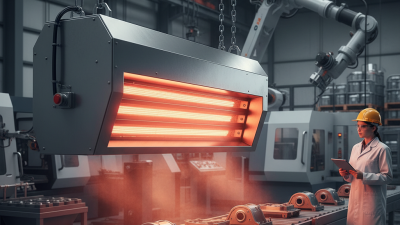
Choosing the right Industrial Infrared Heaters can significantly impact your operations. These heaters convert electricity into thermal radiation. This method provides efficient and targeted heating, ideal for various industrial applications.
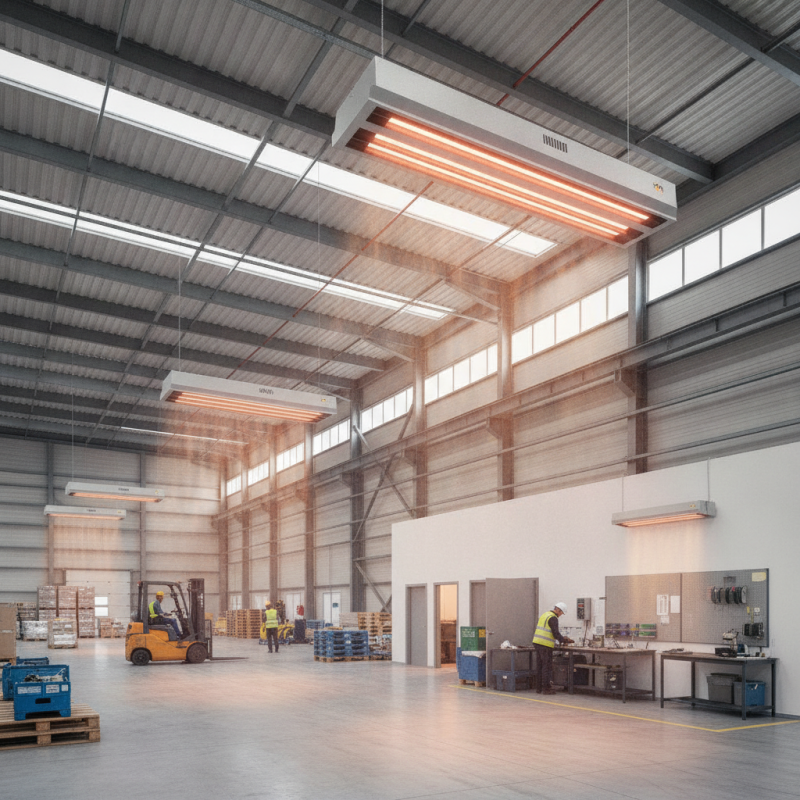
When selecting an infrared heater, consider factors like the heating area, energy source, and design. Different heaters serve different purposes. For example, some might suit large warehouses, while others fit smaller workshops. It's crucial to understand your specific needs to make the best decision.
Quality matters in this market. Reliable brands offer warranties and after-sales support. Seek expert opinions and reviews to find the most trustworthy options. Ultimately, the right choice can enhance productivity and energy efficiency, but thorough research is vital.
Understanding Industrial Infrared Heaters and Their Applications
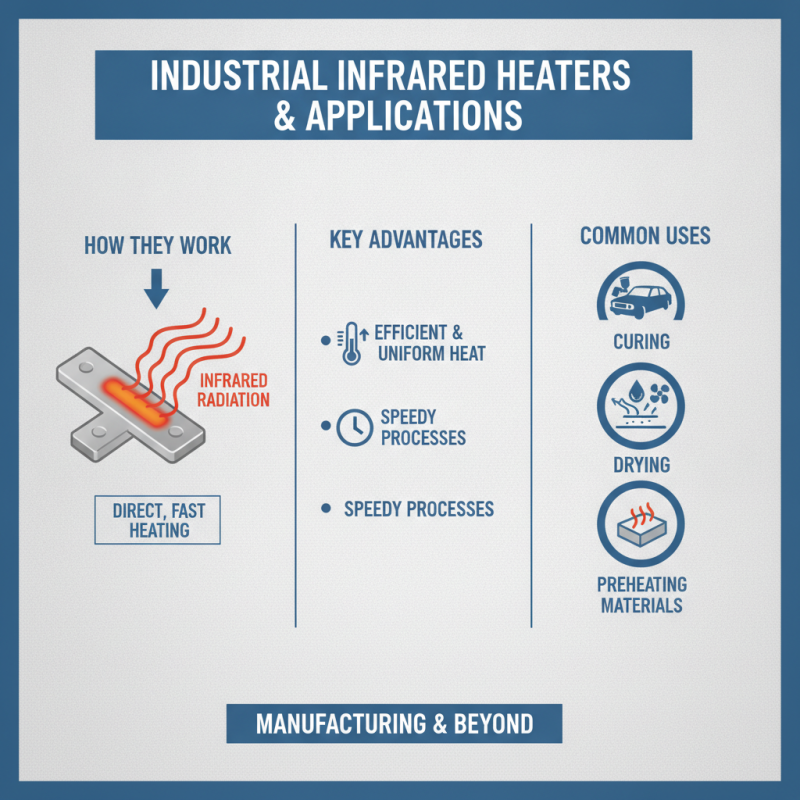
Industrial infrared heaters are vital in various settings. They provide efficient heating by emitting infrared radiation. This method of heating is direct and quick, making it popular for many applications. In manufacturing, these heaters are often used for curing, drying, and preheating materials. Their ability to focus heat precisely is advantageous in processes that require uniform temperature.
These heaters come in different types and specifications. Choosing the right one involves understanding your specific requirements. Consider factors like heating area, temperature range, and environmental conditions. For instance, large spaces may need higher wattage heaters. However, an oversized unit can lead to uneven heating, which is inefficient.
It’s essential to think critically about your heating needs. Many users overlook energy consumption. Higher efficiency heaters can lead to significant savings. Additionally, installation and maintenance are crucial. Poor installation can result in safety hazards. Regular checks are necessary to ensure optimal performance. Ultimately, the right industrial infrared heater can enhance productivity while addressing safety concerns.
Key Factors to Consider When Choosing Infrared Heaters
When selecting industrial infrared heaters, consider various crucial aspects. Evaluate the type of application you need the heater for. Some heaters excel in specific environments, affecting overall efficiency. Think about the temperature range you require. A heater that reaches your target temperature quickly can save energy and time.
Look closely at the size and power of the heater. A heater that is too small will struggle to warm an area effectively. Conversely, an oversized heater may waste energy, leading to higher operating costs. Reflect on the heater’s installation requirements. Some models are complex and may need professional help for proper setup. Security features also matter. Choose heaters with adequate safety measures to prevent accidents in the workplace.
Finally, think about maintenance needs. Infrared heaters can have varying upkeep demands. Some may require regular servicing, while others might only need occasional cleaning. Explore the longevity and warranty options. A shorter lifespan might result in more frequent replacements. Each decision impacts efficiency and cost-effectiveness in the long run. Being aware of these factors can lead to more informed choices.
Comparison of Key Factors in Choosing Industrial Infrared Heaters
Types of Industrial Infrared Heaters: A Comprehensive Overview
When choosing industrial infrared heaters, it’s crucial to understand the different types available. Each type serves unique functions suited for specific environments. There are short-wave, medium-wave, and long-wave infrared heaters.
Short-wave heaters are ideal for fast heating. They work well in applications requiring intense heat in a short time. These models heat surfaces more directly, making them highly efficient.
Medium-wave heaters offer a balance. They provide warming at a moderate pace. These heaters are useful in manufacturing processes where gradual heating is needed.
On the other hand, long-wave heaters generate lower temperatures. They are best for large areas or spaces that require uniform heating. This type is commonly utilized in drying applications.
Consider your application carefully. The right type can boost efficiency. However, not all operations will benefit from high-intensity heat.
Some businesses may find that lower power models suffice. Evaluating the heating needs and equipment layout can help avoid overspending on powerful heaters that might be unnecessary.
Balancing power with efficiency ensures a sustainable approach to heating industrial spaces.
Evaluating Efficiency and Performance of Infrared Heating Systems
Infrared heaters have become a popular choice in various industrial applications due to their efficiency. According to a recent study by the U.S. Department of Energy, infrared heating systems can achieve energy savings of up to 50% compared to traditional heating methods. This efficiency primarily stems from their ability to directly heat objects rather than the air around them. Understanding this principle is critical when evaluating different systems.
When assessing performance, consider both the wavelength and intensity of the infrared radiation. Shortwave heaters provide high temperatures quickly and are ideal for applications requiring immediate heat. In contrast, longwave options are better suited for larger areas with consistent warmth. A detailed report from the Infrared Heating Association emphasizes the importance of a well-designed reflective surface to enhance efficiency by directing heat where needed.
Real-world applications show varied results. Some users report less-than-expected performance in drafty environments, where heat dissipates quickly. This highlights the importance of site-specific evaluations. Proper insulation and airflow analysis can significantly impact effectiveness. In some cases, adapting the heater’s placement based on these conditions can greatly improve overall efficiency. Analyses indicate that a well-thought-out setup can maximize energy usage and reduce costs significantly.
Safety Considerations and Maintenance for Infrared Heaters
When selecting industrial infrared heaters, safety considerations are paramount. Infrared heaters can reach high temperatures quickly. This increases the risk of burns or fire hazards if not used correctly. According to industry reports, over 20% of industrial accidents are linked to improper heating equipment use. Proper installation and clear safety labels can mitigate these risks.
Regular maintenance is crucial for safe operation. Infrared heaters should be inspected regularly to ensure there are no dust accumulations or damaged components. A study by the National Safety Council highlights that maintenance reduces the likelihood of malfunction by 25%. Users should also keep heating units at a safe distance from flammable materials. This simple measure can significantly prevent fire incidents.
Training staff on operational safety is equally important. Employees should know how to operate heaters efficiently. Providing regular training sessions improves awareness and leads to better compliance with safety standards. The World Health Organization emphasizes the role of education in reducing workplace accidents significantly. Investing in safety measures and maintenance can ensure both effective operation and a safer working environment.