Leave Your Message

Top 10 Tips for Choosing the Best Infrared Heater for Your Home

When it comes to maintaining comfort in your home, the choice of heating system plays a critical role. Infrared heaters have emerged as a popular solution due to their efficient performance and energy-saving benefits. According to a report by the U.S. Department of Energy, infrared heaters can provide up to 60% efficiency compared to conventional heating methods, helping homeowners reduce their energy bills significantly. This efficiency stems from the way infrared technology warms objects and people directly, rather than heating the air, creating a more comfortable living environment.

Furthermore, a study by the Environmental Protection Agency highlights that infrared heaters can contribute to a reduction in carbon footprint, thanks to their lower energy consumption. As homeowners become increasingly conscious of energy use and environmental impact, understanding the key factors in selecting the right infrared heater has never been more crucial. In this article, we will provide you with the top 10 tips for choosing the best infrared heater for your home, ensuring you enjoy the warmth and efficiency this technology offers.
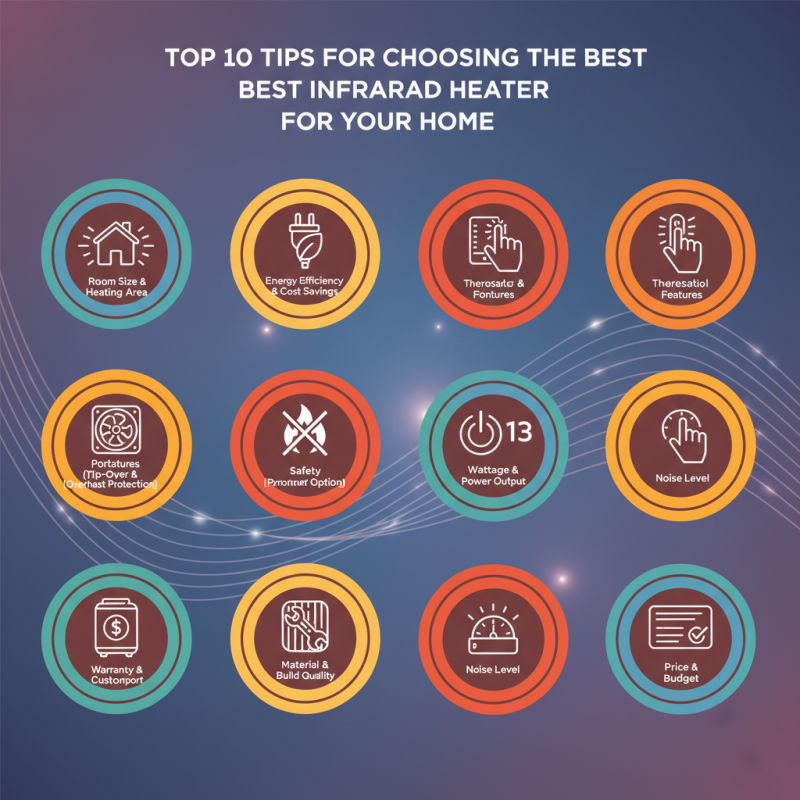
Top 10 Tips for Choosing the Best Infrared Heater for Your Home

Understanding Infrared Heaters: How They Work and Benefits

Infrared heaters offer a modern solution to home heating by utilizing infrared technology to directly warm objects and people in a space rather than the air. This method is not only energy-efficient but also provides a more comfortable heat, as it doesn’t dry out the air, making it ideal for those with allergies or respiratory concerns. Infrared heaters operate by emitting infrared radiation, which travels through the air and warms surfaces that it touches, creating a stable and comfortable environment.

When choosing the best infrared heater for your home, consider the size of the space you need to heat. Larger areas may require more powerful units or multiple heaters to achieve uniform warmth. Additionally, assess the heater's safety features—such as tip-over protection and automatic shut-off—to ensure a secure operation, especially in homes with children or pets.

Another crucial tip is to look for energy efficiency ratings. Units with higher efficiency not only reduce your carbon footprint but also lower your energy bills. Lastly, think about mobility; some infrared heaters come with wheels or handles, making them easy to move from room to room as needed, enhancing their versatility in your heating strategy.

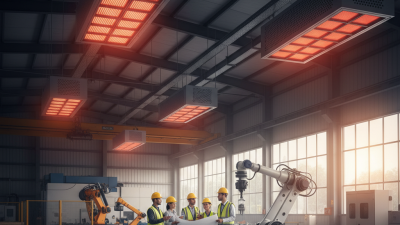
Types of Infrared Heaters: Choosing Between Portable and Fixed Options

Top 10 Tips for Choosing the Best Infrared Heater for Your Home

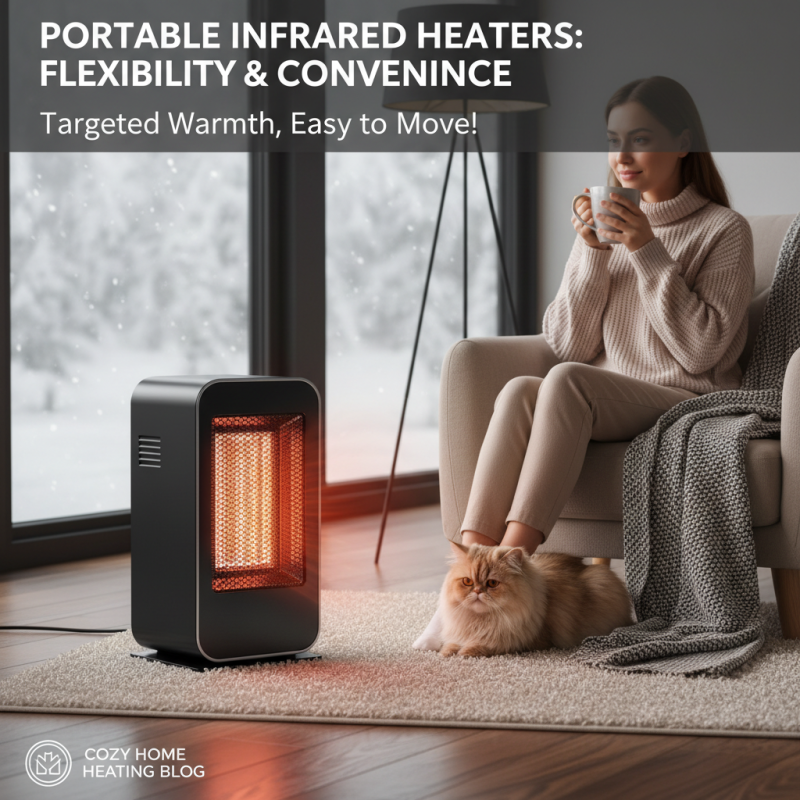
When it comes to choosing the right infrared heater for your home, understanding the distinction between portable and fixed options is essential. Portable infrared heaters offer flexibility and convenience, making them ideal for those who require targeted heating in specific areas. These units can easily be moved from room to room, providing immediate warmth wherever it's needed. They often come in compact designs, making them suitable for small spaces or for use in areas where permanent installations would be impractical. Whether you want to warm up a chilly living room or create a cozy atmosphere in your home office, portable heaters can efficiently deliver comfort without the need for complex installation.

On the other hand, fixed infrared heaters are designed for more permanent use, typically installed in particular locations such as walls or ceilings. They are excellent for providing consistent, radiant heat across larger areas and are often part of a home’s overall heating system. Fixed options are beneficial for those who want to enhance the efficiency of their heating setup without the hassle of moving units around. Although they require some installation, they can integrate seamlessly into your home’s design, providing effective warmth in living areas, garages, or even outdoor spaces. When deciding between portable and fixed infrared heaters, consider your heating needs, space requirements, and the level of flexibility you desire.

Key Features to Consider When Selecting an Infrared Heater

When selecting an infrared heater for your home, there are several key features to consider to ensure you make an informed decision. One of the most important aspects is the heater's wattage and heating capability. According to the U.S. Department of Energy, infrared heaters typically range from 1500 to 2500 watts, with the ability to heat areas between 150 to 400 square feet. It’s crucial to assess the size of the space you aim to heat, as an inadequate wattage can lead to inefficient heating, leading to higher energy costs.

Another critical feature is the type of infrared heater—some are designed for specific applications, such as portable heaters or those meant for installation as part of your home’s heating system. Studies show that portable infrared heaters can be particularly energy-efficient, as they allow for targeted heating. Additionally, look for heaters with advanced safety features, such as overheat protection and tip-over shut off, as these can significantly reduce the risk of accidents in your home. With energy prices fluctuating, investing in a model with a programmable thermostat can also enhance efficiency, potentially saving homeowners up to 30% on heating costs over traditional heating methods.

Top 10 Tips for Choosing the Best Infrared Heater for Your Home - Key Features to Consider When Selecting an Infrared Heater

Feature Description Importance
Heat Output Measured in watts, it indicates how much space the heater can effectively warm. Critical
Heating Method Different types include quartz, carbon, and ceramic which affect efficiency and warmth. Important
Size Heater dimensions must fit the intended space while providing ample heating. Important
Safety Features Look for overheat protection, tip-over switches, and cool-touch exteriors. Critical
Energy Efficiency Assess the heater's energy consumption versus its heat output to save on bills. Very Important
Portability Consider if you need a unit that can easily be moved from room to room. Moderate
Noise Level Assess how loud the heater operates to ensure comfort in your environment. Moderate
Thermostat Control A feature that allows setting the desired temperature for more consistent heating. Important
Warranty A longer warranty can indicate durability and cover potential defects. Helpful
Design Aesthetic appeal can blend with home decor while providing warmth. Subjective

Sizing Your Space: Determining the Right Heater Capacity

When selecting the best infrared heater for your home, a crucial step is sizing your space to determine the right heater capacity. The power of an infrared heater is measured in watts, and understanding your room size will guide you to the appropriate wattage required for efficient heating. A general rule of thumb is that you need about 10 watts of heating power per square foot of space. Therefore, by accurately measuring your room dimensions, you can calculate the necessary wattage to ensure optimal warmth.

Another important tip is considering your insulation level. If your space is poorly insulated, it may require a higher capacity heater to compensate for heat loss. Additionally, factors such as the height of your ceilings and the geography of your home, including windows and doors, play significant roles in determining the right heater size. Ensuring that you account for these variables will lead you to a more effective heating solution.

Lastly, take into account your personal comfort preferences. Some people may prefer a warmer environment, while others feel comfortable at lower temperatures. Adjusting your heater's capacity based on these preferences can enhance your overall comfort. By following these tips, you can make an informed choice that will keep your living space cozy and welcoming throughout the colder months.

Energy Efficiency and Cost Considerations for Infrared Heaters

When considering an infrared heater for your home, energy efficiency and cost-effectiveness play crucial roles in the decision-making process. Infrared heaters are known for their ability to provide warmth quickly and efficiently by directly heating objects and people rather than the air. This method reduces energy consumption, as they typically operate at high efficiency, converting almost all energy used into heat.

When selecting a unit, look for models with high energy efficiency ratings, as they will not only reduce your electricity bill but also have a lower environmental impact.

Cost considerations also extend beyond the initial purchase price of the heater. It's important to factor in operational costs, which can be significantly lower for infrared heaters compared to traditional heating systems. By using infrared technology, homeowners can expect to see faster heating times and less energy wastage, resulting in lower overall heating expenses.

In addition, some models may offer programmable settings that allow for more controllable heating schedules, helping you maximize savings by ensuring that energy isn't wasted when rooms are unoccupied. This combination of energy efficiency and cost savings makes infrared heaters an attractive option for anyone looking to heat their home efficiently.