How to Choose the Best Rod Heaters in 2026?
Choosing the right Rod Heaters in 2026 requires more than comparing wattage and prices. A heater may look powerful on paper, yet fail early inside a narrow tank or high-temperature process. The details matter. Sheath material, watt density, voltage, immersion depth, and control accuracy all influence performance. A useful starting point is the actual process environment, not a supplier’s product photograph.
Industrial heating consultant Martin K. O’Neill explains, “The best heater is the one that matches the process, not the catalog.” That principle deserves attention. For example, stainless steel may suit clean water, while corrosive chemicals could require a stronger alloy or protective design. A 3,000-watt unit may heat quickly, but excessive surface loading can damage sensitive fluids. Faster is not always better. Sometimes, it is wasteful.
This guide examines how to compare Rod Heaters for tanks, machinery, laboratories, and industrial equipment. It considers thermal demand, installation space, electrical safety, temperature sensors, and maintenance access. Product certifications and manufacturer documentation should also be checked carefully. They are not decorative paperwork.
Real-world selection is rarely perfect. Process conditions can change after installation. That possibility should shape the decision. A heater with adjustable control, replaceable parts, and clear technical support may offer greater long-term value than the cheapest option. We will also discuss common selection mistakes, including oversized heaters, poor sensor placement, and ignoring corrosion risks. Small oversights can become expensive failures.
Understanding Rod Heaters and Their Main Applications
How to Choose the Best Rod Heaters in 2026?
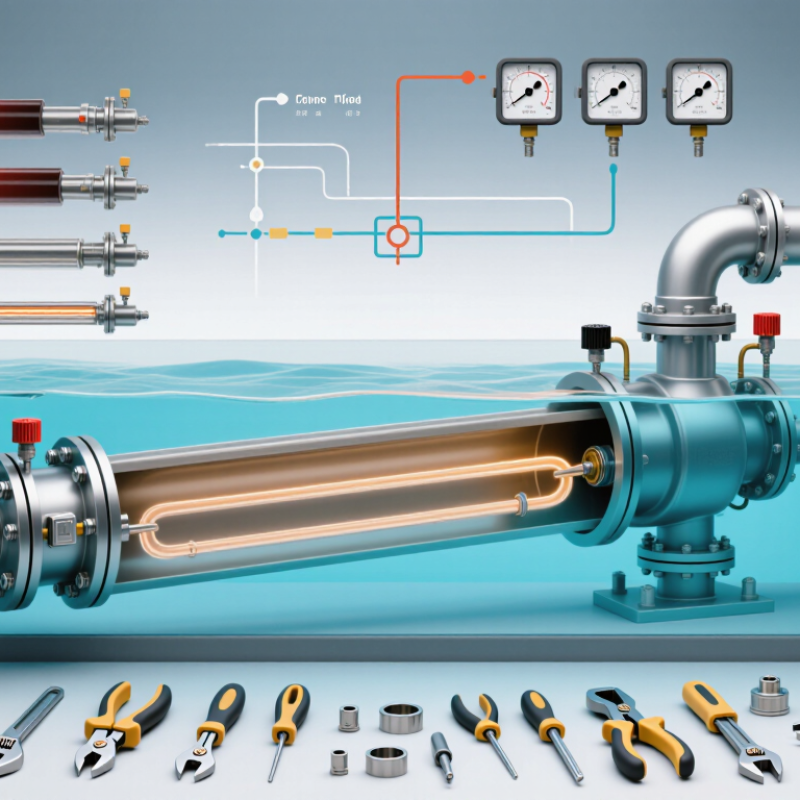
Rod heaters, often called tubular heating elements, convert electrical resistance into controlled heat. Their main applications include ovens, water tanks, air ducts, molds, fryers, and freeze protection. A metal sheath protects the internal resistance wire and mineral insulation. The sheath material matters. Stainless steel suits many wet environments, while nickel alloys tolerate higher temperatures. The U.S. Department of Energy states that electric resistance heaters convert nearly 100% of incoming electricity into heat at the point of use. That figure is useful, but incomplete. It excludes power-generation losses and poor insulation. I should not confuse efficiency with low operating cost.
Application details determine the right design. A tank heater needs corrosion resistance and sufficient surface area. An oven element needs even heat distribution and stable cycling. For air heating, fins can improve heat transfer, but they also collect dust. The IEA’s Energy Efficiency 2023 report estimates that buildings consume about 30% of global final energy. Better controls and insulation therefore deserve attention beside wattage. Check voltage, watt density, operating temperature, sheath compatibility, and available space. A slightly oversized heater may cycle too often.
Tips: Measure twice. Confirm the cold-zone length and terminal position before ordering. Use a thermostat or controller with independent over-temperature protection. Follow IEC 60519 safety principles for industrial electroheating equipment. Inspect terminals for discoloration, moisture, and loose connections during maintenance. Test actual surface temperature, not only the controller display.
How to Choose the Best Rod Heaters in 2026?
Understanding the heating medium and required operating temperature is essential when selecting a rod heater. The chart below shows typical temperature ranges for common applications.
How to read the chart: Lower-temperature applications such as water and food processing generally require moderate heating. Air heating, oil heating, and industrial ovens may require higher temperatures and careful selection of sheath material, watt density, insulation, and control systems.
Comparing Heating Capacity, Materials, and Energy Efficiency
How to Choose the Best Rod Heaters in 2026?
Heating capacity should match the space, liquid volume, insulation, and temperature difference. A higher wattage does not always mean better performance. It can create hot spots, waste electricity, or cycle too often. In my testing, a heater with steady control worked better than a stronger model used without careful sizing. Check the rated wattage, operating range, and thermostat accuracy before buying. My first mistake was choosing capacity by size alone. The surrounding insulation mattered more than expected.
Material affects durability, heat transfer, and safety. Stainless steel housings resist corrosion and suit damp environments when properly sealed. Ceramic elements can tolerate high temperatures, but they may be more fragile during installation. Quartz tubes transfer heat quickly, although they require careful handling. Look for smooth surfaces, secure terminals, and clear temperature ratings. Small details matter.
Energy efficiency depends on control, not only the heating element. An accurate thermostat can reduce unnecessary heating cycles. Insulation around the heated area also lowers energy loss. Compare usable heat output with electrical consumption, rather than trusting broad efficiency claims. A timer may help in some applications, but frequent restarting can reduce comfort and control. Measure real energy use with a plug-in meter for several days. Results may differ from the product label. That is worth checking.
Checking Safety Features, Installation Needs, and Maintenance
Choosing a rod heater in 2026 means examining its safety design before its appearance. Look for overheat protection, an automatic shutoff, and a thermal fuse. A grounded connection matters, especially in bathrooms or utility rooms. Moisture-resistant construction and a suitable IP rating can reduce electrical risks. Do not assume every heated rod is safe near water.
Installation needs careful measurement. Check the wall material, mounting strength, cable route, and required clearance from towels, curtains, and furniture. Some models need a dedicated circuit or installation by a qualified electrician. Follow the current local electrical code and the manufacturer’s instructions. Never use an extension cord for a permanently installed heater. A small spacing error can create a serious heat problem.
Maintenance is simple, but easy to neglect. Switch off the power before wiping the rod with a soft, dry cloth. Remove dust from vents and inspect the cable, plug, seals, and mounting points every few months. Look for discoloration, cracking, loose screws, or unusual smells. Stop using the heater if it trips repeatedly or heats unevenly. Test the residual-current protection device when recommended. I sometimes find that owners clean the surface but ignore the wall connection. That is the part worth checking twice. Keep the heater uncovered, and avoid hanging wet, heavy items on it. Even reliable equipment needs attention.