Leave Your Message

Top 10 Duraband Nozzle Band Heater Tips for Global Buyers

In the competitive world of manufacturing, choosing the right components is essential for success. The **Duraband Nozzle Band Heater** stands out as a reliable choice for many global buyers. This heater offers consistent performance in industrial applications, ensuring efficient heating for various products. However, selecting the right nozzle band heater can be challenging due to the vast options available.

Understanding the specific needs of your manufacturing process is crucial. Each buyer must assess the heater's specifications and compatibility with their equipment. Many overlook critical factors that can impact performance, leading to costly mistakes. It's essential to research and gather insights about Duraband heaters before making a decision.

Buyers should actively seek tips to maximize the benefits of the **Duraband Nozzle Band Heater**. We will explore practical advice that can enhance your purchasing experience. This guidance will help you avoid common pitfalls and choose the best options for your applications.
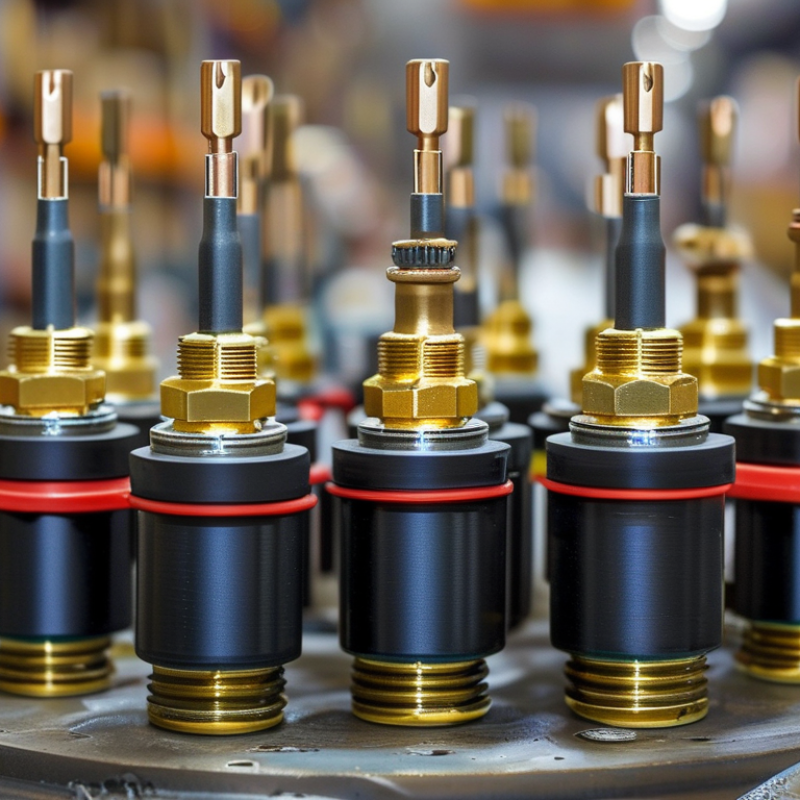
Top 10 Duraband Nozzle Band Heater Tips for Global Buyers

Essential Factors to Consider When Choosing Duraband Nozzle Band Heaters

When selecting Duraband nozzle band heaters, several essential factors should be considered. First, understand the heating capacity required for your application. According to industry reports, heaters with higher watt densities can provide more efficient heating but may risk overheating. Balance these parameters based on the materials and desired processing temperatures.

Consider the thermal conductivity of the materials you will work with. Research shows that different polymers and plastics have varying thermal properties, which can impact the efficiency of your heating solution. Lower-quality nozzle heaters may lead to inconsistent heat distribution, resulting in production delays and material waste. Proper insulation around the heater can mitigate heat loss, increasing overall performance and reliability.

Evaluating the durability of the heater is critical. Many buyers overlook this factor, leading to premature failure and increased operational costs. Reports indicate that devices with robust construction often exhibit longer lifespans. Furthermore, ensure that the heaters you choose are compatible with your existing machinery and processes. Customization options may be available, catering to unique application needs. This consideration will enhance user experience and save costs in the long run.
Common Mistakes to Avoid When Purchasing Duraband Nozzle Band Heaters

When purchasing Duraband nozzle band heaters, buyers often overlook critical details. One common mistake is misjudging the required temperature range. Many assume that a single standard model will suffice for various applications. Temperatures can vary significantly, and using the wrong heater can lead to inefficiencies or equipment damage. Always assess the specific temperature needs of your operation.

Another frequent pitfall is ignoring the heater's material compatibility. Different materials react differently under heat. For example, certain plastics may deteriorate if exposed to high temperatures for extended periods. Not considering this could result in costly replacements. Additionally, users might underestimate the importance of proper sizing. An ill-fitting heater can lead to uneven heating and higher energy costs. Ensure you measure accurately and consult with experts when needed.

Finally, many buyers prioritize cost over quality. This can backfire in the long run. Cheaper options may save money initially, but they often lack durability. Investing in reliable heaters may seem daunting, but it pays off with enhanced performance and longevity. Always seek reliable information before making a purchase.

Top 10 Duraband Nozzle Band Heater Tips for Global Buyers - Common Mistakes to Avoid When Purchasing Duraband Nozzle Band Heaters

Tip Common Mistake Recommended Action
1. Verify Specifications Ignoring voltage and wattage requirements Check compatibility with existing equipment
2. Consider Material Type Choosing the wrong material for the application Select materials based on environment and product
3. Assess Heating Requirements Underestimating required temperature Analyze process needs accurately
4. Check Installation Guidelines Skipping proper installation procedures Follow manufacturer instructions carefully
5. Evaluate Size and Fit Using incorrect dimensions for the nozzle Measure the nozzle accurately before purchase
6. Research Vendor Reputation Buying from unverified suppliers Check reviews and certifications of suppliers
7. Look for Warranty Options Neglecting warranty and support services Inquire about warranty before the purchase
8. Understand Compliance Standards Overlooking safety and compliance regulations Ensure heaters meet relevant standards and codes
9. Compare Energy Efficiency Focusing solely on initial cost Evaluate long-term energy costs and efficiency
10. Plan for Maintenance Ignoring maintenance needs and schedules Create a routine maintenance plan

Maintenance Tips for Extending the Lifespan of Nozzle Band Heaters

Nozzle band heaters play a crucial role in various industrial applications. Their efficiency relies heavily on proper maintenance. Regular inspections can help identify potential issues before they escalate. Look for signs of wear, such as discoloration or uneven heat distribution. These clues often indicate that maintenance is overdue.

Cleaning the heater regularly can enhance its performance. Dust and residue can accumulate quickly. Using a soft cloth or compressed air can effectively remove this buildup. Be gentle during the cleaning process to avoid damaging the heating element. Additionally, ensure that electrical connections are secure and free of corrosion. Loose connections can cause inefficiencies and increase the risk of failure.

Temperature control is another key aspect of maintenance. Monitor the temperature settings and avoid fluctuations. Sudden changes can stress the materials and shorten their lifespan. Keep a log of operational data. This helps in recognizing patterns over time. Such diligence can uncover hidden issues and promote better decision-making for maintenance schedules.

Comparative Analysis: Duraband vs. Other Nozzle Band Heater Brands

When assessing nozzle band heaters, buyers often weigh their options carefully. Duraband stands out due to its reliable performance, but other brands also offer solid alternatives. Each manufacturer's product line has its unique strengths. For instance, while Duraband claims superior heat distribution, others may focus on energy efficiency. Buyers should consider specific applications rather than just brand reputation.


The materials used in construction can significantly affect heater longevity. Some brands boast higher durability through advanced composites. Yet, others may cut costs, leading to frequent replacements. This can be a major drawback for industries where downtime is costly. Comparative analysis reveals that one brand's offering might excel in temperature control but falter in compatibility with certain machines.


Understanding these nuances can help buyers make informed choices. Feedback from experienced users often highlights common issues. Duraband might not always be the best fit, depending on the user’s needs. Even popular options can have hidden shortcomings. Engaging with community forums can reveal insights that traditional reviews overlook. Each option has its pros and cons, and a wise choice is based on genuine requirements, not just trends.

Best Practices for Installing and Operating Duraband Nozzle Band Heaters

When installing Duraband nozzle band heaters, attention to detail is crucial. Proper installation can prevent significant heat loss and enhance efficiency. According to recent industry studies, improper heater placement can lead to a 30% reduction in performance. Ensuring that the heater fully wraps around the nozzle is key. This maximizes contact and heat transfer. Pay attention to the mounting orientation. Misalignment may cause uneven heating, leading to material inconsistencies.

Operation procedures are equally important. Monitor the heater's temperature regularly to avoid overheating. Research shows that temperatures exceeding recommended levels can decrease heater lifespan by 50%. Regular maintenance checks can identify wear or damage. This proactive approach will prevent unexpected downtimes. It’s also essential to avoid exceeding voltage ratings. Higher voltage can lead to insulation failure, posing safety risks.

Moreover, user education plays a significant role. Personnel must understand how to operate and adjust heaters effectively. Short training sessions can help employees recognize signs of failure early. Always refer to temperature control systems for better oversight. Ultimately, small adjustments in installation and operation can yield substantial improvements in efficiency and safety.