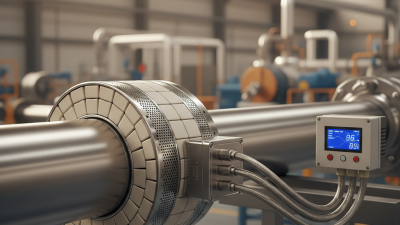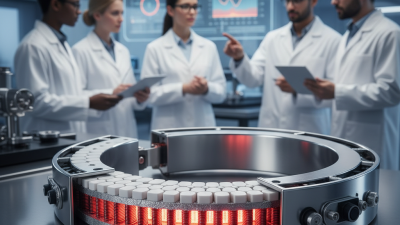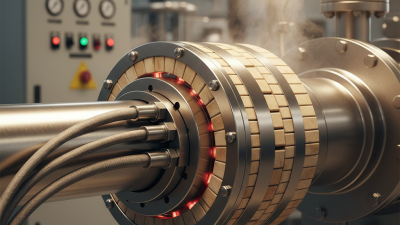
The Ceramic Insulated Band Heater is an essential tool in industrial heating processes. Its design offers efficient heat transfer, making it popular among manufacturers. However, using this equipment effectively is not always straightforward.
Proper installation is crucial. A tight fit maximizes performance, preventing heat loss. Regular maintenance plays a significant role too. Check for wear and tear consistently. Ignoring these factors can lead to inefficiencies.
It’s also important to remember that settings may vary. Experimenting with temperatures can yield better results. Understand that it requires time and patience. Each application may behave differently. Embracing these nuances will enhance your experience with the Ceramic Insulated Band Heater.
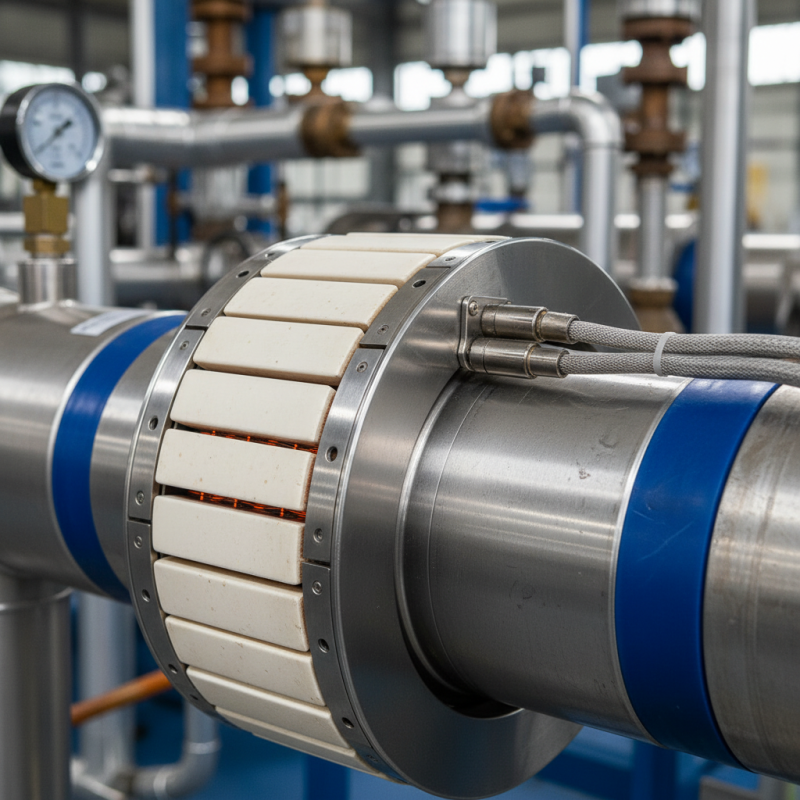
Ceramic insulated band heaters are increasingly popular in various industrial applications. They provide efficient heat transfer and improved energy efficiency. A recent report from the American Society of Mechanical Engineers indicated that ceramic heaters can reduce energy costs by up to 30%. This makes them ideal for applications requiring stable and consistent temperatures.
In the plastics industry, these heaters are essential for maintaining the ideal temperature for melting and processing polymers. Their ability to reach high temperatures quickly is vital. Research shows that ceramic band heaters can achieve temperatures of up to 500°F (260°C). However, not all installations utilize their full potential. Proper insulation and installation can significantly affect performance and longevity.
Many users overlook the importance of careful placement. Misalignment can lead to uneven heating and increased wear. Regular maintenance is needed to ensure optimal functioning. Lack of attention to detail can result in costly downtime. Industry studies suggest that improper use can reduce heater lifespan by up to 50%. Understanding these factors is crucial for maximizing the efficiency of ceramic insulated band heaters.
| Tip Number | Tip Description | Benefits | Applications |
|---|---|---|---|
| 1 | Select the right size and wattage based on the application requirements. | Ensures optimal heating efficiency and reduces energy waste. | Extruders, injection molding machines. |
| 2 | Ensure proper mounting to avoid mechanical stress on the heater. | Enhances durability and extends lifespan of the heater. | Heat sinks, molds. |
| 3 | Maintain consistent surface contact with the heated object. | Improves heat transfer efficiency and reduces heat loss. | Process heating, melts. |
| 4 | Implement temperature control systems for precise heating. | Prevents overheating and maintains product quality. | Thermal processes, food production. |
| 5 | Regularly inspect for wear and tear. | Reduces unexpected failures and maintenance costs. | Industrial heating applications. |
| 6 | Utilize insulation covers to enhance efficiency. | Reduces heat loss to the environment. | Heated cylinders, pipes. |
| 7 | Choose ceramic heaters for high-temperature applications. | Enables effective heating at higher temperature ranges. | Metal treatment, specialty ceramics. |
| 8 | Consider using multi-zone heating for complex applications. | Allows for uniform heating across varying material sections. | Complex mold designs, composite manufacturing. |
| 9 | Ensure electrical connections are secure and up to standard. | Prevents electrical failures and hazards. | General industrial heating systems. |
| 10 | Train operators on safe handling and operation. | Enhances safety and optimizes operational usage. | Workshops, manufacturing plants. |
Ceramic insulated band heaters offer several key features that enhance their performance and efficiency. One major advantage is their ability to provide uniform heating. According to a recent study, these heaters can achieve temperature uniformity within ±5°C for various applications. This precision is crucial for processes that require consistent temperature management, reducing product defects.
Another benefit is their energy efficiency. Reports indicate that ceramic insulated heaters can improve energy efficiency by up to 30% compared to traditional band heaters. This efficiency translates into cost savings over time, making them an attractive option for manufacturers. However, users should note that proper installation is vital to achieve optimal performance.
Additionally, ceramic insulated band heaters have a longer lifespan due to their robust construction. Data shows these heaters can last up to 50% longer than conventional ones, which reduces maintenance costs. Yet, it is essential to ensure the heaters are not exposed to excessive moisture, which can lead to premature failure. Users should reflect on their maintenance practices to maximize the benefits of these heaters.
When installing ceramic insulated band heaters, attention to detail is crucial. Proper installation can enhance heater efficiency by up to 30%, according to industry reports. Begin by ensuring the heater fits snugly around the cylinder. Any gaps can lead to heat loss. This will waste energy and affect process stability.
A significant tip is to use a torque wrench. Over-tightening can damage the heater, while under-tightening can cause uneven heating. Aim to achieve a firm connection without excessive force. Another consideration is the use of thermal grease. Applying a thin layer between the heater and the surface can improve heat transfer by filling small surface irregularities.
Don't overlook the electrical connections. Poor connections can result in increased resistance and potential failure. Regularly check these connections during maintenance. Moreover, triggering faults can occur if the heater is exposed to moisture. Ensure that it remains dry. These seemingly small details can lead to significant performance differences.
When using ceramic insulated band heaters, troubleshooting common issues is crucial for optimal performance. One frequent problem is uneven heating. This often stems from incorrect installation or inadequate contact with the heater’s surface. You might notice hot spots or cold patches on your equipment. Regularly check the heater's alignment to ensure uniform pressure across its length.
Another common issue is electrical connection failures. Over time, wires can wear out or connections may loosen. Inspect all wiring for signs of damage or corrosion. A loose connection can lead to inconsistent heating. Always address these issues promptly to avoid further complications.
Temperature fluctuations can also be a concern. If the heater fluctuates between high and low temperatures, the controller might be faulty. Regular calibration of the temperature control system can help maintain stability. Keep an eye on the heater's readings. Document any irregularities to assess performance trends over time. These steps can help you catch problems before they escalate.
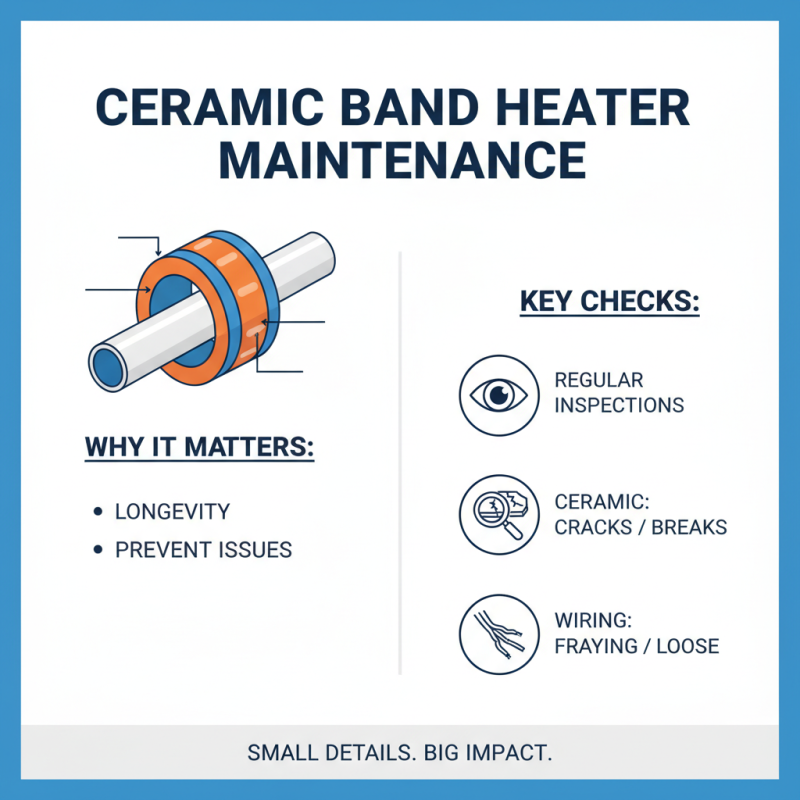
Maintaining ceramic insulated band heaters is crucial for their longevity. Regular inspections can prevent many issues. Look for signs of wear and tear. Check for cracks or breaks in the ceramic. Examine the wiring for fraying or loose connections. These small details matter.
Cleaning is essential. Dust and debris can build up quickly. Use a soft brush or cloth to clean the surface. Avoid using harsh chemicals that can damage the ceramic. Sometimes, a gentle wipe isn’t enough. Ensure the heater is powered off and cool before cleaning.
Proper installation plays a key role in durability. Ensure a snug fit around the surface it heats. Misalignment can cause uneven heating. Over time, this alteration can decrease efficiency. Consider temperature settings carefully. Too high of a setting can lead to overheating. Monitoring is vital. Always keep an eye on performance indicators. Embrace the small imperfections, as they can teach valuable lessons about maintenance.