Why is a Heat Preservation Cover Essential for Your Needs?
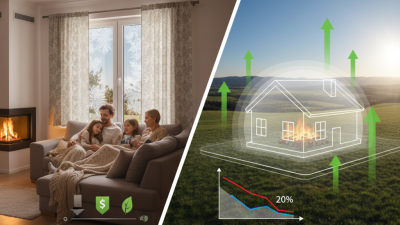
In today's climate-conscious world, the importance of a Heat Preservation Cover cannot be overstated. According to a recent report by the Global Thermal Insulation Association, proper insulation can reduce energy costs by up to 30%. This statistic underscores the necessity of using effective thermal solutions. Industry expert Dr. Emily Carter, a noted specialist in energy efficiency, emphasizes, “A Heat Preservation Cover is essential for enhancing energy savings and sustainability.”
For many homeowners and businesses, the decision to use a Heat Preservation Cover impacts their financial health. Efficient heat retention leads to lower heating bills. Moreover, it can extend the lifespan of heating systems. However, some may overlook the initial costs involved in purchasing these covers. This oversight can lead to higher expenses over time due to wasted energy.
While many recognize the benefits, it’s crucial to reflect on individual needs. Not every cover suits every application. As with any solution, factors such as location, insulation quality, and usage patterns are vital. Therefore, understanding these elements is essential for making a knowledgeable choice about Heat Preservation Covers.
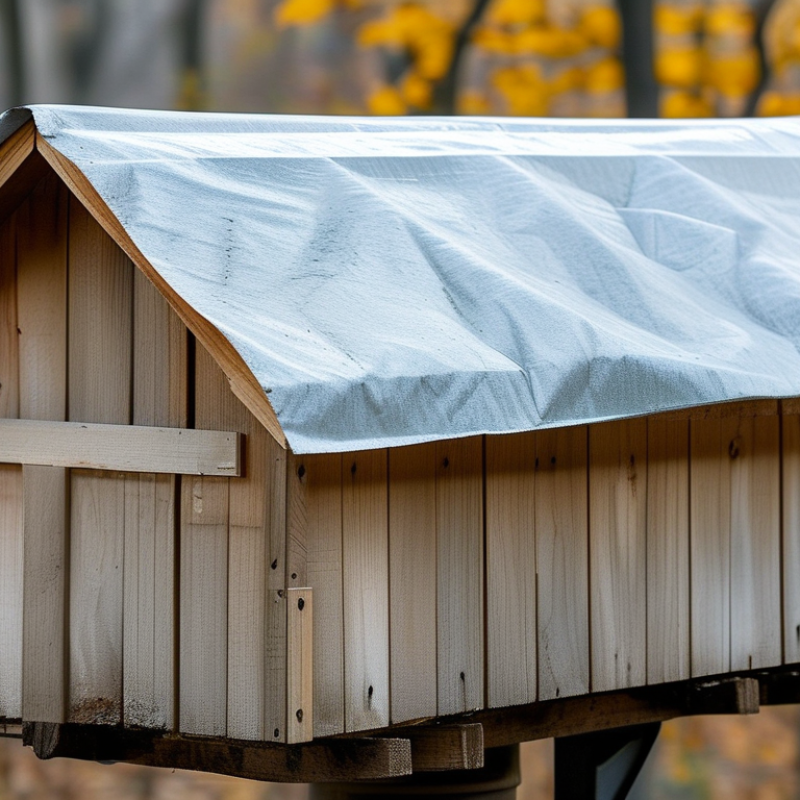
Understanding the Purpose of Heat Preservation Covers
Heat preservation covers play a critical role in enhancing energy efficiency. Studies show that they can reduce heat loss by up to 80%. This significant reduction helps maintain temperature, saving energy costs. Without adequate coverage, systems can struggle to retain heat, leading to increased energy consumption.
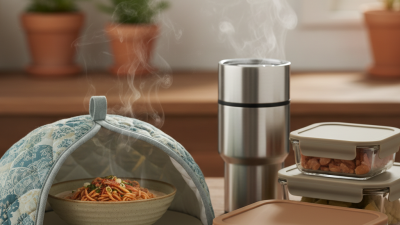
Many industries rely on heat preservation covers. For example, in food production, maintaining optimal temperatures is essential. Insulating food containers not only preserves freshness but also extends shelf life. The global market for these covers is projected to grow, indicating a rising recognition of their importance.
Tips: Always check for the thermal resistance rating of your cover. A higher rating generally indicates better performance. Regularly inspect your covers for wear and tear. This can prevent heat loss and ensure efficiency over time. Consider using covers designed for specific applications to maximize benefits.
Key Benefits of Using Heat Preservation Covers
Heat preservation covers are designed to offer numerous benefits. One key advantage is their ability to maintain temperature. When used, they can significantly reduce heat loss. This is especially important in colder climates where energy efficiency is a priority. The right cover helps to keep water or food warm, enhancing comfort and quality.
Another benefit is cost effectiveness. Using heat preservation covers can lower energy bills. They reduce the need for additional heating, which can be a significant expense. By keeping the desired temperature steady, these covers promote sustainability. They not only save money but also lessen environmental impact.
Tip: Ensure your cover fits snugly to maximize efficiency. Gaps allow heat to escape, negating benefits.
In addition to use in kitchens, heat preservation covers can be beneficial for outdoor settings. They maintain warmth during gatherings or parties. This keeps guests comfortable and reduces the need for extra heating sources. Think about how this can enhance your outdoor experience.
Tip: Regularly check for wear and tear. Damaged covers may not work effectively. Replace them as needed to ensure optimal performance.
Types of Heat Preservation Covers Available
When considering heat preservation, various types of covers can suit different needs. Insulated blankets are popular for their ability to retain heat effectively. These covers trap warmth and protect against temperature fluctuations. They are ideal for outdoor use or during colder seasons, ensuring you stay cozy.
Reflective covers are another option. These are designed to reflect heat back into a space. Using materials that bounce heat, they help keep environments warm without added energy costs. They are lightweight and easy to install, making them user-friendly. However, they may not provide as much insulation as thicker materials.
Custom-fit covers can also be beneficial. Tailored to specific shapes, they ensure maximum heat retention. While they may require more investment and planning, the efficiency gained can be significant. Consider the environment where the covers will be used. Different climates may require different types to achieve the best results. Each option has its pros and cons, so careful consideration is essential.
Why is a Heat Preservation Cover Essential for Your Needs? - Types of Heat Preservation Covers Available
| Type of Heat Preservation Cover |
Material |
Insulation Efficiency |
Durability (Years) |
Common Use Cases |
| Bubble Wrap Cover |
Plastic |
Moderate |
1-3 |
Pool Insulation |
| Thermal Blanket |
Foam |
High |
5-10 |
Home Insulation |
| Reflective Cover |
Metalized Film |
Very High |
3-7 |
Roof Insulation |
| Insulated Cover |
Fiberglass |
Very High |
10-20 |
Industrial Applications |
| Custom Fit Cover |
Varied |
Depends on Material |
5+ |
Specialized Equipment |
How to Choose the Right Heat Preservation Cover for Your Needs
Choosing the right heat preservation cover can significantly enhance your comfort and energy efficiency. Start by considering the specific needs of your space. Look at the size and shape of the area you want to cover. A well-fitted cover will trap heat effectively. Measure your space before making a selection.
Material is another crucial factor. Different fabrics offer varying levels of insulation. Some materials can reflect sunlight, while others focus on heat retention. Understand your environment. In colder regions, thicker materials might be necessary. Look for options with breathable qualities to avoid moisture buildup.
Tips: Check reviews for feedback on insulation effectiveness. Some covers may not perform as claimed. Consider your local climate when choosing materials.
Maintenance also matters. Some covers require more upkeep than others. A more durable material could decrease long-term costs. Make sure you choose a cover that balances your budget and your heating needs. With the right choices, you can achieve optimal heat preservation.
Heat Preservation Cover Effectiveness by Material Type
Best Practices for Maintaining Heat Preservation Covers
Maintaining heat preservation covers is vital for maximizing energy efficiency. A report from the U.S. Department of Energy highlights that proper insulation can reduce energy costs by up to 30%. Regular inspection of covers ensures they remain effective. Look for signs of wear, such as cracks or tears, which can significantly decrease their performance.
Cleaning is also crucial. Dust and moisture can accumulate, undermining the cover’s insulating properties. Use a damp cloth for routine cleaning. Additionally, avoid harsh chemicals that may damage the material. Studies indicate that a clean cover can improve thermal efficiency by at least 10%.
It’s important to store heat preservation covers correctly during off-seasons. Improper storage can lead to deformation. Fold them neatly and keep them in a dry place. Reflect on your practices; are you really maintaining your covers as well as you could? Every small adjustment counts toward better heat retention.