What is a Heating Cable and How Does It Work?
Heating cables are essential components in modern heating systems. They provide an efficient method for warming spaces in both residential and commercial settings. According to industry reports, the global market for heating cables was valued at approximately $3.5 billion in 2022, and it is expected to grow steadily over the next several years. This growth highlights their increasing importance in energy efficiency and comfort.
These cables function by converting electrical energy into heat. When electricity flows through the cables, resistance generates warmth. This process is versatile and can be applied to various applications, such as underfloor heating and frost protection. While many people appreciate the benefits of heating cables, there remain concerns about their installation and energy consumption. For instance, improper installation can lead to inefficiencies or even safety hazards.
As the demand for sustainable heating solutions rises, heating cables offer an effective option. However, factors like installation costs and long-term reliability should be carefully evaluated. The information available from reports emphasizes the need for thorough understanding and expertise when choosing heating cables. This ensures optimal performance and safety in their application across different settings.

What is a Heating Cable?
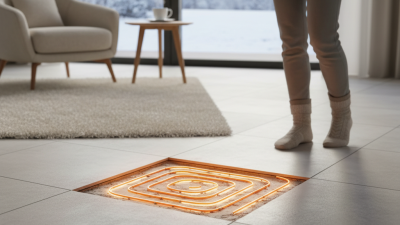
Heating cables are innovative tools designed to provide warmth in various settings. They consist of electrical wires that generate heat when electricity flows through them. This heating technology is widely used in floor heating systems, for melting snow on driveways, and even for preventing pipe freezing in cold climates.
These cables are typically installed under floors or along pipes. They come in different lengths and power ratings to suit specific needs. The installation process involves careful planning to ensure even heat distribution. Heating cables can be hardwired or connected to thermostats for user-friendly control. However, incorrect installation may lead to hot spots or inadequate heating.
Understanding the electrical requirements is essential for safe use. Overloading circuits can cause damage. Regular maintenance checks are beneficial to ensure the system functions properly. Despite their efficiency, some users struggle with energy costs, mentioning anxiety over bills. Hence, using heating cables should be approached thoughtfully, considering both benefits and potential drawbacks.
Principles of How Heating Cables Function
Heating cables are a unique solution for various heating needs. Their core function lies in the generation of heat through electrical resistance. When electric current flows through the cable, it heats the conductor inside. This principle allows heating cables to maintain specific temperatures across different surfaces.
Research indicates that these cables can be effective for frost protection on driveways or rooftops. According to a report by the International Energy Agency, the efficient use of heating cables can reduce energy consumption by up to 30% in certain applications. The thermal conductivity of materials around the cable also plays a crucial role. The heat must transfer effectively to achieve the desired level of warmth.
It’s essential to consider installation techniques for optimal performance. Poorly installed cables may not distribute heat uniformly, leading to cold spots and uneven heating. Many look to hire professionals with experience to avoid common pitfalls. Each heating project requires analysis of specific environmental factors, which can significantly affect efficiency. These factors include insulation quality and cable placement. Evaluating these aspects thoroughly ensures a more reliable heating solution.
Types of Heating Cables Available in the Market
Heating cables are essential for various applications, from providing warmth in homes to ensuring safety in icy conditions. In the market, three main types of heating cables are commonly available: self-regulating, constant wattage, and mineral-insulated cables.
Self-regulating heating cables adjust their output based on temperature changes. This means they save energy when less heat is needed. A report from the International Energy Agency indicates that self-regulating cables can reduce energy consumption by up to 30%. Constant wattage cables deliver a consistent heat output, regardless of temperature variations. They are often used in applications requiring steady warmth, such as in pipe freeze protection. Finally, mineral-insulated cables provide high-temperature resistance and are suited for industrial applications.
Tips: Consider your specific needs when selecting a heating cable type. Measure the area to be heated. Consult with a professional installer to ensure optimal performance and safety. Always review the installation guidelines thoroughly; improper setup can lead to inefficiencies or safety hazards. Understanding these factors is crucial for making the best choice for your heating needs.
Heating Cable Types and Their Efficiency
Applications of Heating Cables in Various Industries
Heating cables serve vital roles across various industries, providing essential solutions for temperature regulation. In the construction sector, they ensure pipes do not freeze, protecting infrastructure integrity during harsh winters. Data from the International Energy Agency indicates that 30% of heating energy consumption comes from systems using insulation and heating cables, underscoring their efficiency.
In the agricultural industry, heating cables create ideal soil conditions for plant growth. By regulating soil temperature, these cables boost productivity and crop quality. A report by the Food and Agriculture Organization highlights that temperature control can increase yields by up to 20%. This indicates the potential for heating cables to enhance agricultural output significantly.
Tips for effective use: Ensure that the heating cable is properly installed with the appropriate wattage to avoid overheating. Regular inspections help in identifying wear and tear. Remember, improper installation can lead to energy wastage and harm your crops or infrastructure. Maintaining an optimal system is crucial for longevity and performance.
Installation and Maintenance of Heating Cables
Heating cables are increasingly popular for maintaining warmth in various environments. Proper installation and maintenance are vital for optimal performance and longevity. When installing a heating cable, careful planning is crucial. The cable's placement should consider the heat source, insulation, and the area to be heated. According to the Electric Power Research Institute, improperly installed cables can lead to inefficient heating and increased energy costs.
Inspection is essential for maintaining heating cables. Regular checks can help identify damaged sections. The National Electrical Manufacturers Association advises that cables should be tested at least once a year. This helps ensure they function effectively. Look for signs of wear or overheating. If any damage is found, repairing or replacing the cable promptly prevents further issues.
Tips for successful maintenance include keeping heat cables free from debris. Snow and ice buildup can hinder performance. Additionally, using timers or smart thermostats can optimize energy usage. Regular vigilance will prolong the life of your heating cables and ensure that they function as intended. Proper care leads to reduced risk of failure and enhances safety.
What is a Heating Cable and How Does It Work? - Installation and Maintenance of Heating Cables
| Dimension |
Details |
| Heating Cable Type |
Self-regulating, Constant wattage, and Heat trace |
| Common Applications |
Roof and gutter de-icing, Pipe freeze protection, Floor heating |
| Energy Source |
Electricity |
| Installation Surface |
On roofs, Within floors, Around pipes |
| Temperature Range |
-50°C to 60°C (-58°F to 140°F) |
| Maintenance Frequency |
Annual inspection recommended |
| Typical Lifespan |
15-20 years |
| Safety Certifications |
UL, CSA, CE |