What is an Industrial Infrared Heater and How Does It Work?
Industrial Infrared Heaters have revolutionized various manufacturing processes. They provide efficient heating solutions that enhance productivity. According to a report by MarketsandMarkets, the global infrared heater market is projected to reach $5 billion by 2027. This growth underscores the importance of these devices in diverse industries.
Dr. Emily Tran, a leading expert in thermal technologies, noted, "Industrial Infrared Heaters are transforming how we approach heating applications." Her insights reflect the technology's ability to save energy while ensuring even temperature distribution. However, some industries still resist adopting this innovative heating approach.
Businesses must evaluate their current heating methods. Understanding the benefits and limitations of Industrial Infrared Heaters is crucial. The shift toward these heaters can enhance efficiency and reduce costs in the long run. As the market evolves, the potential advantages become more significant.
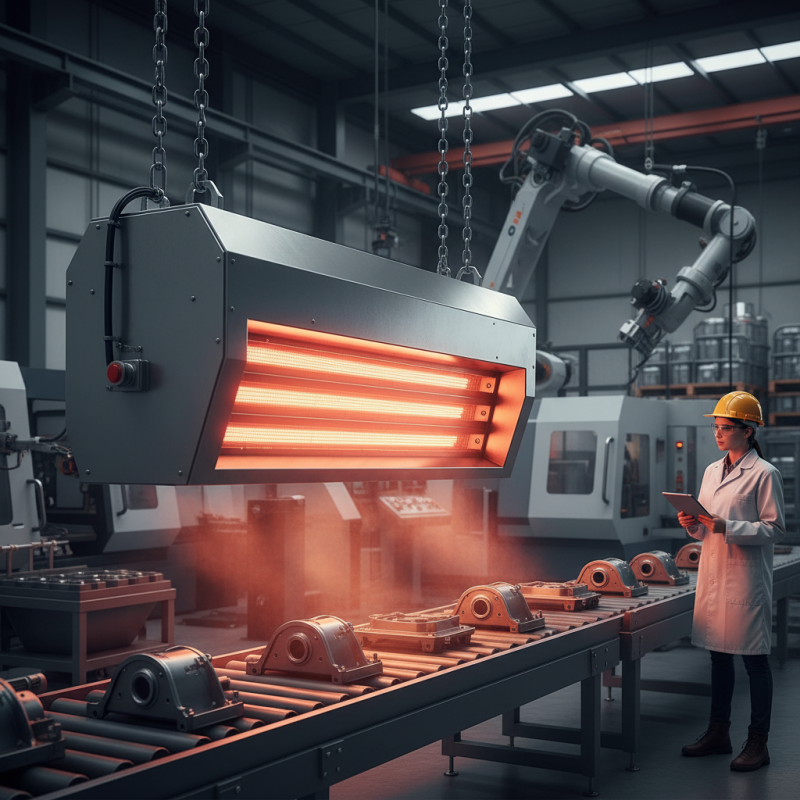
What is an Industrial Infrared Heater and Its Common Applications
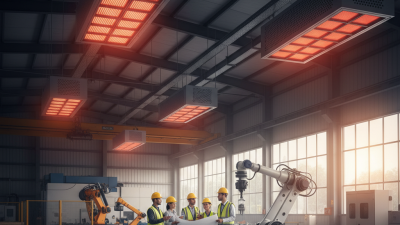
Industrial infrared heaters are increasingly popular in various sectors. These heaters use infrared radiation to transfer heat directly to objects, making them efficient. One notable feature is their ability to provide rapid heating without heating the surrounding air. This is beneficial in large industrial spaces where quick temperature adjustments are needed.
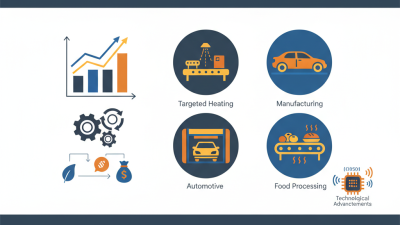
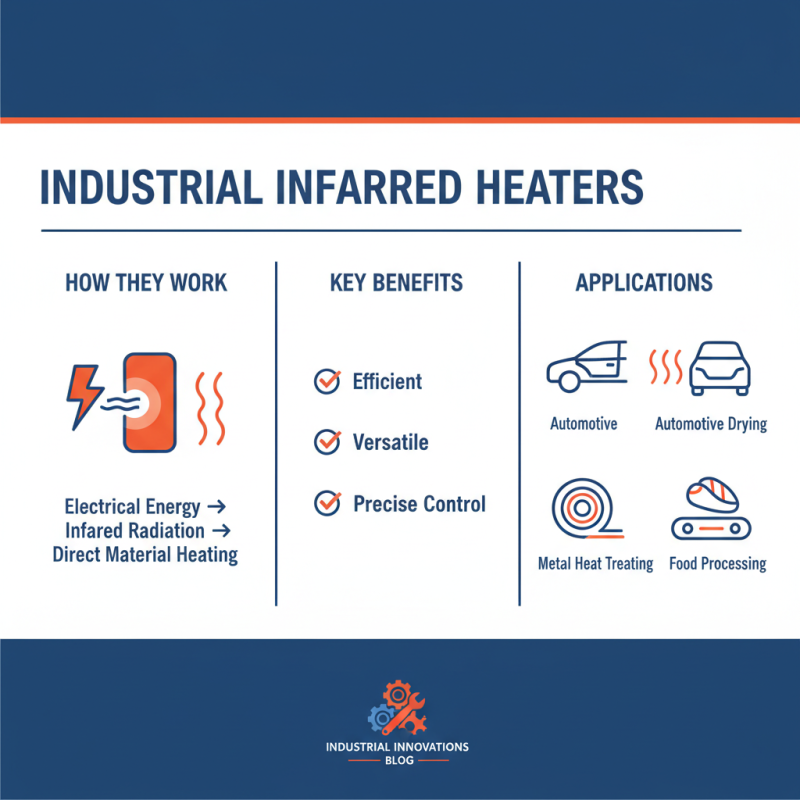
Common applications include curing coatings in manufacturing. For example, infrared heaters can effectively cure paint on automotive surfaces, enhancing production speed. The food industry also benefits from these heaters, as they can rapidly heat products without affecting quality. According to a report from the American Society of Mechanical Engineers, infrared heating systems can reduce energy consumption by as much as 40% compared to traditional heating methods.
Challenges do exist. Infrared heaters may not be suitable for all environments. Their effectiveness can be diminished in large open areas with significant air movement. Moreover, not every material responds well to infrared heat. In some cases, the need for careful temperature control is critical to avoid damaging sensitive materials. Understanding these limitations is key to maximizing the benefits of infrared technology in various applications.
The Science Behind Infrared Radiation and Heat Transfer Mechanisms
Infrared radiation plays a crucial role in industrial heating. It transfers heat through electromagnetic waves. This process differs from convection and conduction, which require contact. Instead, infrared heaters emit waves that directly warm objects and surfaces. For instance, think about how sunlight warms your skin. Similarly, infrared heaters radiate heat to the items they target, making them highly efficient.
The effectiveness of this heating method hinges on its ability to penetrate materials. When infrared waves hit an object, they cause its molecules to vibrate. This vibration generates heat, altering the object's temperature. This principle is visible in various applications. Manufacturing often uses these heaters to quickly dry paints or coatings. However, they can also create uneven heating if not positioned correctly.
Furthermore, the choice of wavelengths also matters. Shorter wavelengths can be absorbed quickly, while longer wavelengths might take time. This nuance can affect energy efficiency and heat distribution. It's essential to consider these factors for optimal results. Sometimes, users overlook these details. Such oversights can lead to unintended consequences in their work processes.
Types of Industrial Infrared Heaters and Their Specific Use Cases
Industrial infrared heaters are essential tools in various industries. They convert electrical energy into infrared radiation to heat materials directly. Different types of infrared heaters are designed for specific applications, making them versatile and efficient.
One common type is the shortwave infrared heater. These heaters emit high-intensity heat. They are perfect for curing paint or drying inks in manufacturing. According to industry reports, shortwave heaters can reduce drying times by up to 50%. Another type is the medium-wave heater, which heats materials more gently. They are often used in processes like textile drying or food processing.
For those in construction, low-intensity infrared heaters provide a safe heating solution for drying concrete. They minimize the risk of cracking caused by rapid temperature changes.
Tip: When selecting an industrial infrared heater, consider the material to be heated. Match the heater’s wavelength to the material's absorption rate for optimal results.
It's important to acknowledge that, while these heaters are effective, they require careful setup. Any misalignment could lead to inefficient heating or damage to the materials. Always aim for precise installation to maximize performance.
Another tip: Regular maintenance is crucial. Dust and debris can accumulate on the heaters, reducing efficiency. Clean infrared heaters regularly to maintain their effectiveness and prolong their lifespan.
Benefits of Using Infrared Heaters in Industrial Settings
Infrared heaters are gaining traction in industrial settings. They use infrared radiation to warm objects directly, not just the air. This can lead to significant energy savings. Reports indicate that these heaters can reduce energy consumption by up to 50% compared to traditional heating methods.
One notable benefit is their fast heating capability. Infrared heaters can reach desired temperatures in minutes. This rapid response can help businesses reduce downtime and increase productivity. For instance, in manufacturing environments, quick heating can facilitate faster production cycles.
Moreover, these heaters promote a more comfortable working environment. Workers feel the heat almost instantly, which can enhance overall satisfaction. However, some industries might find the initial investment cost a barrier. It’s essential for businesses to weigh these initial costs against long-term savings and efficiency improvements. Some challenges remain in terms of uniform heating across large spaces.
What is an Industrial Infrared Heater and How Does It Work? - Benefits of Using Infrared Heaters in Industrial Settings
| Feature |
Description |
Benefits |
| Heating Method |
Uses infrared radiation to directly heat objects and surfaces. |
Reduces heat loss and improves efficiency compared to traditional heating methods. |
| Energy Efficiency |
High efficiency with minimal energy loss. |
Lower energy costs owing to reduced consumption. |
| Installation Flexibility |
Can be mounted in various configurations (ceiling, wall, or portable). |
Adaptable to different workspace layouts, optimizing space usage. |
| Targeted Heating |
Heats specific areas rather than the entire room. |
Provides comfort and precision, enhancing the work environment. |
| Safety Features |
Many models include safety shut-off systems and cool-to-touch exteriors. |
Minimizes risk of burns or fire hazards in the workplace. |
| Environmental Impact |
Reduces carbon footprint with lower energy consumption. |
Supports sustainability efforts in industrial operations. |
Key Industry Statistics on Efficiency and Energy Savings from Infrared Heating
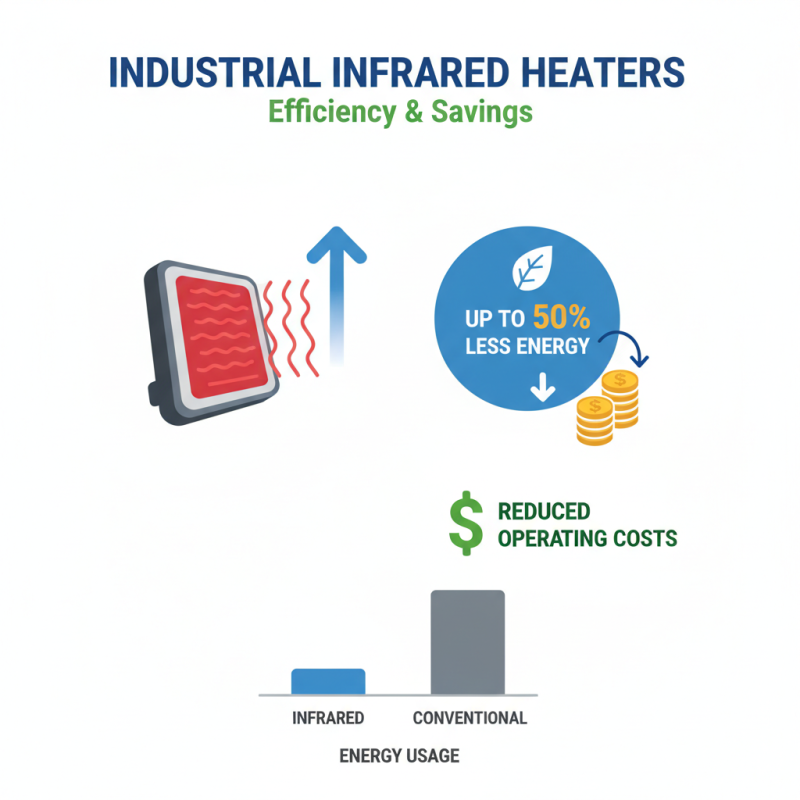
Industrial infrared heaters are becoming popular for their efficiency. They can save energy and reduce costs. According to recent statistics, infrared heating systems use up to 50% less energy than conventional heaters. This can lead to significant savings over time.
Efficiency is one of the key advantages of infrared heaters. They heat objects directly rather than the air around them. This method minimizes heat loss. In an industrial setting, this can translate to faster operation times. Many industries are seeing improved productivity thanks to this technology. However, not every application is suitable for infrared heating. It requires careful consideration of space and materials to maximize effectiveness.
Energy savings vary by application and environment. Some factories report impressive results while others do not. It's essential to evaluate the specific needs of a workspace. This might require a bit of trial and error. So, while infrared heating shows promise, it’s not universally perfect. Understanding its limitations is crucial to making an informed decision.