What is Infra Ray Heaters and How Do They Work?
Infra Ray Heaters are revolutionizing the heating industry with their innovative technology. Infrared heating offers energy-efficient solutions for various applications, from residential to industrial settings. According to a recent market analysis, the global infrared heater market is projected to reach $5 billion by 2026, driven by increasing demand for sustainable heating options.
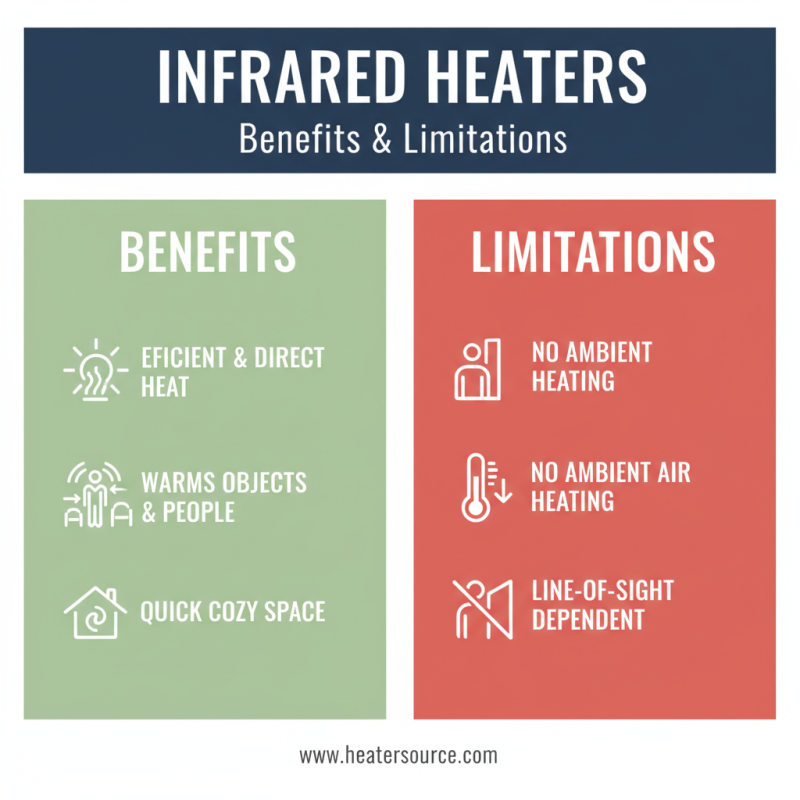
These heaters work by emitting infrared radiation, which directly heats objects and people in their path. This process is more effective than traditional heating methods, which warm the air. Data shows that Infra Ray Heaters can reduce energy costs by up to 30%. However, users must consider installation costs and potential maintenance challenges.
As we advance towards smarter living, integrating Infra Ray Heaters into our environments aligns with the trend of energy efficiency. The adoption of these heaters is part of a broader shift in manufacturing practices. While the benefits are significant, understanding their limitations is crucial. Continued research and user feedback will ensure better designs and higher efficiency in this evolving market.

What Are Infrared Ray Heaters?
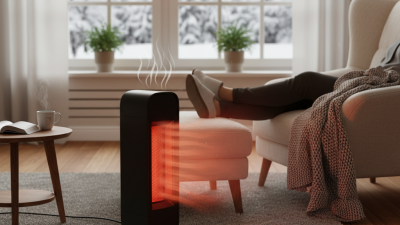
Infrared ray heaters have gained popularity for their efficiency and unique heating method. These devices utilize infrared radiation to warm up objects directly rather than heating the air. The result is a more immediate and targeted warmth, making them a comfortable choice for various spaces.
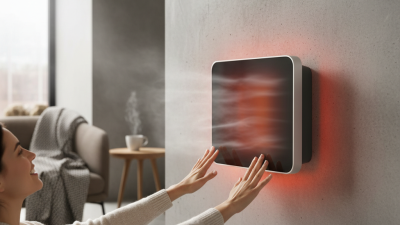
When activated, infrared heaters emit rays that travel through the air without heating it. This process conserves energy and leads to lower electricity bills. For instance, within seconds, a person sitting nearby can feel a pleasant warmth enveloping them. This direct heating can be particularly useful in drafty rooms or open areas where traditional heating units struggle.
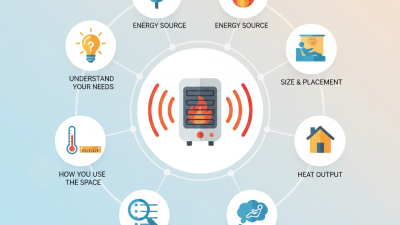
However, some challenges remain. These heaters may not distribute warmth evenly across larger spaces. Users might find some areas too hot while others feel chilly. Additionally, they require careful placement to avoid direct exposure to sensitive surfaces. With such variables, it’s essential for users to assess their heating needs before investing. Embracing infrared technology requires understanding its strengths and limitations.
Energy Efficiency of Infrared Ray Heaters
Principles of Infrared Heating Technology
Infrared heating technology operates on a fundamental principle: it transfers heat through electromagnetic radiation. Unlike traditional heating methods, which warm the air, infrared heaters directly emit heat to objects and surfaces. According to a report from the U.S. Department of Energy, up to 80% of heat generated by infrared heaters can be effectively absorbed by the surrounding environment.
The technology's efficiency is rooted in its wavelength spectrum. Infrared radiation ranges from 0.7 to 1 millimeter and can penetrate materials. This means that items absorb heat rather than just the air around them. Thus, spaces feel warm more quickly, enhancing comfort levels with lower energy consumption. Figures show that infrared heaters can reduce energy costs by nearly 30% compared to traditional systems.
Tip: To maximize the benefits of infrared heating, position heaters close to the target area. This ensures effective heat transfer.
However, some challenges exist. Not all spaces are ideal for infrared heating. Rooms with poor insulation may lose heat rapidly. Additionally, dust and dirt can obstruct heat flow, reducing efficiency. It's crucial to maintain clean surfaces for optimal performance.
Tip: Regularly clean heating panels to maintain efficiency.
What is Infra Ray Heaters and How Do They Work? - Principles of Infrared Heating Technology
| Parameter |
Details |
| Definition |
Infra Ray heaters use infrared radiation to heat objects directly without heating the surrounding air. |
| Types |
Ceramic, Quartz, and Reflective infrared heaters. |
| Mechanism |
Emits infrared rays that are absorbed by surfaces resulting in heat generation in the material. |
| Efficiency |
High energy efficiency as it directly warms objects instead of the air. |
| Applications |
Used in heating homes, industrial processes, and food warming. |
| Advantages |
Energy efficient, quick heating, and can be used in various environments. |
| Safety |
Generally safe with protective features, but requires proper installation. |
Types of Infrared Heaters Available
Infrared heaters are popular due to their efficiency and effectiveness. There are several types available in the market, each suited for different needs. Quartz infrared heaters are common for indoor use. They heat up quickly and provide direct warmth to people and objects in their path. This type is effective in small spaces like bathrooms or offices.
Another type is ceramic infrared heaters. They have a longer heat retention compared to quartz models. This feature makes them suitable for larger areas. They operate quietly and can sometimes take longer to warm up. Reflective infrared heaters are often used for outdoor spaces. They focus heat on specific areas, making them great for patios and garages.
Each type has its pros and cons. For example, the quick warmth from quartz heaters can sometimes lead to overheating. Conversely, ceramic heaters may take longer to reach desired temperatures. It's crucial for users to consider their space and needs when deciding which heater to choose. Understanding these nuances can enhance the heating experience significantly.
Applications of Infrared Heaters in Various Settings
Infrared heaters have gained popularity in various settings due to their unique heating capabilities. In homes, they can warm specific rooms quickly. This is particularly useful in cold climates where instant heat matters. Many families use these heaters in their living rooms or bedrooms for cozy evenings. They are portable, allowing users to move them as needed, making them versatile for different spaces.
In commercial settings, infrared heaters serve many purposes. Warehouses and workshops benefit from their focused heat, which can keep employees comfortable. These heaters can also be found in outdoor patio settings. They allow diners to enjoy the outdoors even during cooler seasons. The instant warmth they provide enhances the dining experience significantly. However, businesses must consider placement for optimal heat coverage.
In healthcare environments, infrared heaters play a role in therapies. They help with muscle relaxation and pain relief. Patients often feel the gentle warmth soothing areas that need attention. Yet, it's crucial to monitor their use to prevent any discomfort from overheating. Balancing effective therapy with patient comfort is vital.