What is a Radiant Process Heater and How Does It Work?
A Radiant Process Heater is an essential component in various industrial applications. Understanding its functionality is crucial for optimizing energy efficiency. This heater primarily uses infrared radiation to transfer heat to materials directly. Unlike conventional heaters, it minimizes heat loss, making it highly effective in processes that require precise temperature control.
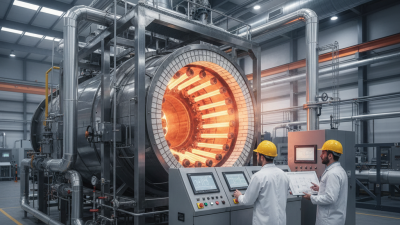
These units are widely used in manufacturing sectors, including metal processing and food production. The design allows for uniform heat distribution, which can enhance product quality. However, implementing a Radiant Process Heater may present challenges, such as initial costs and installation complexities.
Exploring the advantages and potential drawbacks of these heaters can lead to better decision-making. It is vital to assess the specific needs of your process. Ultimately, choosing the right heating solution can significantly impact operational efficiency and cost-effectiveness.
What is a Radiant Process Heater?
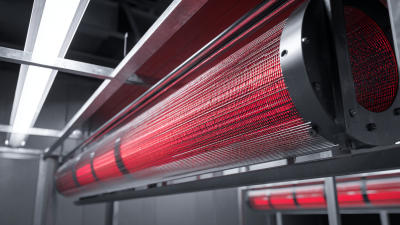
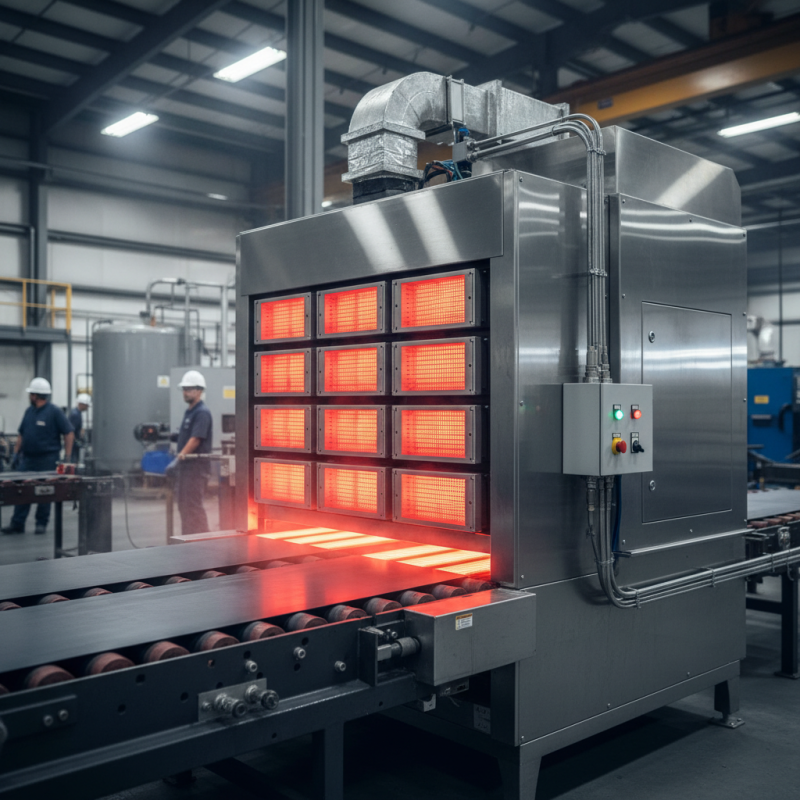
Radiant process heaters are essential in various industrial applications. These heaters work by emitting infrared radiation. This radiation directly heats objects instead of warming the air around them. This method is more efficient and faster. Industries often use these heaters for processes like drying, curing, or melting materials.
One significant advantage of radiant heaters is their ability to provide targeted heating. For instance, if you're processing a specific product, radiant heaters can focus warmth precisely where it is needed. This minimizes energy waste and improves overall efficiency. Keep in mind that incorrect positioning can lead to uneven heating. Regular assessment of heater placement may be necessary.
When deciding on a radiant heater, consider the material being heated. The absorption rates can vary significantly between materials. Also, it's essential to monitor the heater's operation closely. Overheating can damage both the heater and the materials being processed. Regular maintenance checks are crucial to ensure optimal performance.
Key Components of a Radiant Process Heater
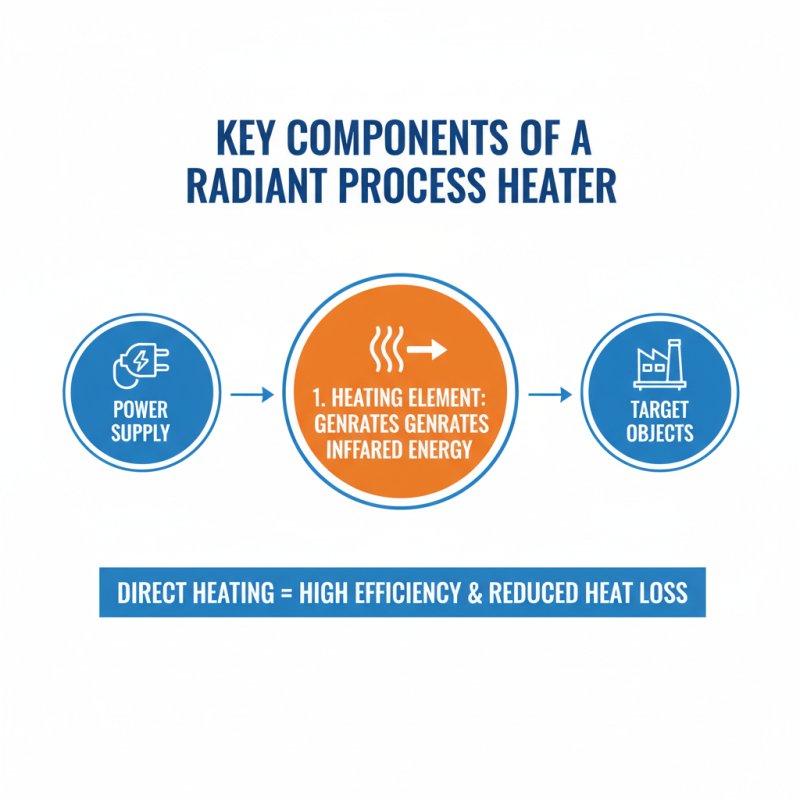
Radiant process heaters are pivotal in various industrial applications. Their efficiency stems from key components that work synergistically. The primary element is the heating element, which generates infrared energy. This energy directly heats objects in the vicinity, presenting an effective way to achieve high temperatures without heat loss typical in traditional methods.
Another critical component is the reflective surface. It directs the infrared rays toward the desired objects, maximizing heat transfer. Materials used are often highly reflective metals, specially designed to withstand high temperatures. Incorporating insulation around these components is essential; it helps reduce heat loss and increases overall system efficiency.
The control system plays a vital role as well. It regulates the temperature and monitors performance, ensuring optimal operation. Sensors feedback real-time data, allowing for adjustments. However, as with any system, regular maintenance is crucial. Over time, wear and tear can hinder efficiency. Neglecting this aspect can lead to significant energy losses and operational disruptions. Making proactive adjustments and addressing inefficiencies can improve longevity and performance.
Principle of Operation in Radiant Heating
Radiant process heaters are specialized devices used to transfer heat through electromagnetic radiation. This method stands out in various industrial applications. Instead of relying solely on electric currents or hot surfaces, radiant heaters harness the power of infrared energy. This enables direct heating of objects without warming the surrounding air. The efficiency of radiant heating is particularly impactful in environments where precise temperature control is crucial.
The principle of operation in radiant heating lies in the conversion of electrical energy into infrared radiation. When the heater is activated, its heating elements glow, emitting infrared rays. These rays travel directly to surfaces and materials, transferring energy as they propagate. This approach offers a higher efficiency than traditional convection heating methods. However, achieving optimal performance requires careful positioning of the heater.
Common challenges include ensuring even heat distribution and managing the distance between the heater and the target surface. Overheating can occur if the distance is too short, potentially damaging sensitive materials. On the other hand, too great a distance can lead to insufficient heating. These variables require ongoing assessment and adjustments, highlighting the need for expertise in implementing radiant heat systems effectively.
Advantages of Using Radiant Process Heaters
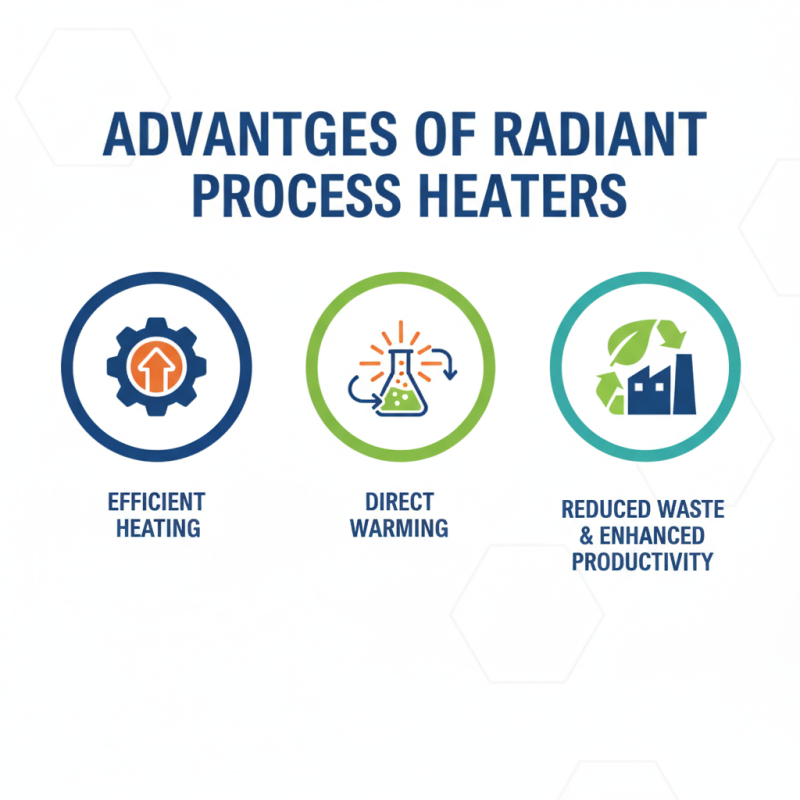
Radiant process heaters provide efficient heating solutions in various industries. They operate by emitting infrared radiation to directly warm objects, surfaces, or fluids. This technology ensures that energy is utilized effectively, reducing waste and enhancing productivity.
One major advantage of radiant heaters is their ability to minimize heat loss. Traditional heating methods often rely on air convection, which can lead to significant energy loss. In contrast, radiant heaters target specific areas. This focus enables quicker heating times and lowers energy consumption. Industries benefit from this efficiency, especially in processes requiring precise temperature control.
However, there are considerations to be mindful of. Proper installation and maintenance are essential for optimal performance. If heaters are misaligned, efficiency can diminish. Furthermore, while radiant heaters are highly effective, they may not be suitable for all applications. Understanding the specific needs of your process is vital for the best results. Embracing radiant technology can lead to enhanced operational efficiency, but careful planning is key.
Common Applications in Various Industries
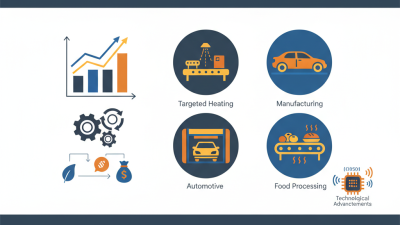
Radiant process heaters are increasingly used across various industries due to their efficiency and adaptability. These heaters provide effective temperature control, essential in manufacturing and processing.
In the food industry, for example, radiant heaters help maintain consistent cooking temperatures. This ensures even heating, reducing the risk of overcooked or undercooked products.
A report by the Food Processing Technology Journal highlighted that radiant heaters can improve food quality and reduce energy consumption by up to 30%.
In the petrochemical sector, radiant heaters are crucial for maintaining optimal operational conditions. They support processes like distillation and refining, where accurate temperature control is vital. Research from the American Institute of Chemical Engineers indicates that integrating radiant heaters can enhance process efficiency by 15%. However, the initial costs of these heaters may pose a challenge for smaller operations. Balancing the upfront investment with potential energy savings is a critical consideration.
The pharmaceutical industry also benefits from radiant process heaters, particularly in the drying of active ingredients. Precise heating can lead to better product stability and longer shelf life. Data from the International Journal of Pharmaceutics shows that using radiant heaters can reduce drying times by 40%. While this technology offers clear advantages, there are ongoing discussions about maintenance needs and potential downtime. Addressing these concerns is vital for maximizing the benefits of radiant heating in diverse applications.