Why Choose Radiant Process Heater for Efficient Heating Solutions?
In industries where efficient heating is critical, the choice of a heating system can significantly impact productivity. Dr. Emily Carson, a leading expert in thermal technology, emphasizes, “The Radiant Process Heater revolutionizes how we approach heating solutions.” This reflects the growing recognition of its advantages in various applications.
Radiant Process Heaters deliver targeted heating, leading to reduced energy consumption. They utilize infrared radiation to warm products directly, minimizing heat loss. This approach enhances efficiency but requires careful implementation to ensure optimal performance. Users must consider the specific requirements of their operations.
While Radiant Process Heaters offer numerous benefits, they are not without challenges. Proper installation and maintenance are crucial for maximizing efficiency. Moreover, industries must evaluate their unique needs before transitioning to this technology. Striking a balance between innovation and practicality is essential for achieving desired results.
Understanding Radiant Process Heaters and Their Applications
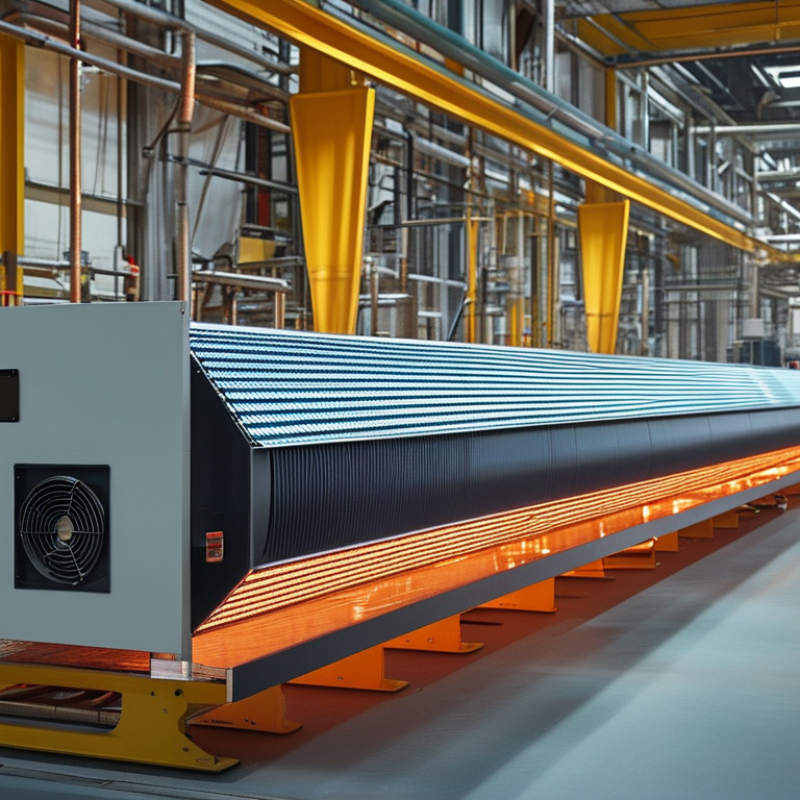
Radiant process heaters play a crucial role in various industrial applications. These heaters provide efficient and direct heating solutions. They emit infrared radiation, which heats objects without heating the air around them. This process reduces energy waste and improves overall efficiency. Industries that frequently utilize radiant heaters include automotive, food processing, and electronics manufacturing.
One significant advantage of radiant process heaters is their ability to target specific areas. They can heat surfaces directly, leading to faster and more effective heating. For example, in curing processes, the heated surfaces achieve optimal temperatures quickly, enhancing productivity. Additionally, they can be easily integrated into existing systems, making them versatile for various operations.
Despite these benefits, there are challenges to consider. Proper installation and maintenance are crucial to maximizing efficiency. Neglecting these factors may result in uneven heating or energy loss. It's essential for businesses to assess their heating needs carefully before implementation. Understanding both the advantages and limitations can help in making informed decisions.
The Advantages of Radiant Heating Over Conventional Methods
Radiant heating offers numerous advantages compared to conventional heating methods. It warms objects and people directly instead of heating the air. This leads to a more comfortable environment. You feel the warmth instantly, like sunlight on your skin. Unlike traditional systems, which can waste energy, radiant heaters maximize efficiency.
Another key benefit is improved air quality. Conventional heating can stir up dust and allergens. Radiant systems do not circulate air, reducing such issues. This is especially important for people with allergies or respiratory sensitivities. Many users report feeling healthier and more energized in environments with radiant heat.
Durability is another advantage. Radiant heating systems often require less maintenance over time. However, installation can be complex. Some users find it challenging to integrate into existing structures. Careful planning is essential to achieve the best results. There’s considerable expertise required to ensure the system works optimally.
Why Choose Radiant Process Heater for Efficient Heating Solutions?
| Feature |
Radiant Heating |
Conventional Heating |
| Energy Efficiency |
Up to 30% more efficient |
Standard efficiency |
| Heat Distribution |
Consistent and even |
Variable and uneven |
| Response Time |
Instant heat |
Slow to heat up |
| Maintenance Cost |
Low |
Higher due to wear |
| Comfort Level |
High, uniform warmth |
Dry air and drafts |
| Installation Complexity |
Simpler, less invasive |
More extensive adjustments |
Key Features of Radiant Process Heaters for Enhanced Efficiency
Radiant process heaters offer distinct advantages for various industrial applications. Their design enables direct heating through infrared radiation. This method reduces energy loss and enhances efficiency. Users often notice quicker heat-up times compared to conventional systems. This results in improved productivity and lower operational costs.
Another critical feature is the temperature control mechanism. Radiant process heaters provide precise control over heating levels. This level of accuracy prevents overheating and ensures consistent temperatures. Operators appreciate this as it leads to better product quality. However, some users may find the initial setup complex. Investing time in proper installation and calibration is essential.
Safety is another significant concern. Built-in safety features help mitigate risks. Emergency shutdown systems and overheat protection are common. Still, operators must remain vigilant and regularly maintain equipment. This proactive approach enhances reliability and extends the heater's lifespan. Awareness of these aspects will improve overall performance and safety in industrial settings.
Efficiency Comparison of Heating Solutions
Factors to Consider When Choosing a Radiant Process Heater
When selecting a radiant process heater, several key factors merit careful consideration. Efficiency is crucial. A heater designed for rapid heat transfer can significantly reduce energy costs. Look for models that provide consistent temperature control. This ensures optimal performance for various applications.
The materials used in the heater also matter. High-quality, durable materials enhance reliability and long-term functionality. However, not all materials are suited for every environment. It's essential to assess the compatibility with the specific application and surrounding conditions.
Installation and maintenance requirements are often overlooked. A heater that is complex to install can lead to delays. Additionally, maintenance accessibility is vital for ensuring ongoing performance. Regular maintenance checks can prevent unexpected failures, but these checks should not be cumbersome. Oversights in these areas can lead to inefficiencies that affect productivity.
Common Industries Utilizing Radiant Process Heating Solutions
Radiant process heating solutions are increasingly favored across various industries. These systems provide efficient heating by directly transferring heat to materials, enhancing energy use. According to the U.S. Department of Energy, radiant heaters can achieve energy savings of 30% to 50% compared to conventional heating methods. This is significant in industries such as manufacturing, food processing, and plastics.
In manufacturing, radiant heaters are integral for operations like metal treatment and curing. The precision in temperature control plays a role in reducing waste and improving quality. Reports show that utilizing these systems can cut down heating times by as much as 30%. Meanwhile, the food processing sector benefits from reduced cooking times and improved product flavor. The National Association of Manufacturers notes that efficiency boosts can lead to substantial cost reductions, especially with rising energy prices.
Furthermore, the plastics industry relies on radiant heat for processes like molding and forming. However, operators must continuously evaluate their heating efficiency. Inadequate maintenance can lead to decreased performance and energy use spikes. Regular assessments help maintain optimal operations. Emphasizing efficiency while addressing challenges reflects a commitment to sustainable practices in crucial sectors.