Essential Tips for Choosing the Right Coil Heater?
When selecting the right Coil Heater, several factors come into play. According to industry reports, Coil Heaters account for approximately 30% of the global heating element market. This highlights their importance in various applications, from industrial manufacturing to medical devices. As noted by James Whitaker, a leading expert in thermal technologies, “The choice of coil heaters can significantly impact efficiency and overall system performance.”
Choosing a Coil Heater involves understanding both technical specifications and practical applications. Quality, watt density, and compatibility with your system are crucial elements. It’s vital to assess factors like environmental conditions and required lifespan. Oversizing or undersizing a heater can lead to efficiency losses or failures.
The Coil Heater industry continues to evolve, introducing more advanced materials and designs. However, not every option is suitable for every application. Reflection on previous choices often reveals gaps in understanding specific needs. Being informed and cautious is key to making optimal selections.
Understanding the Basics of Coil Heaters and Their Applications
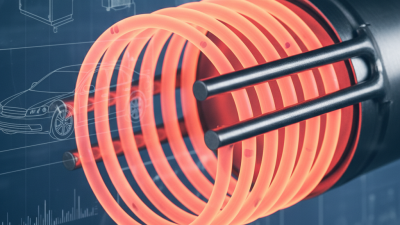
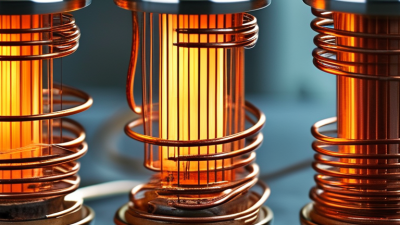
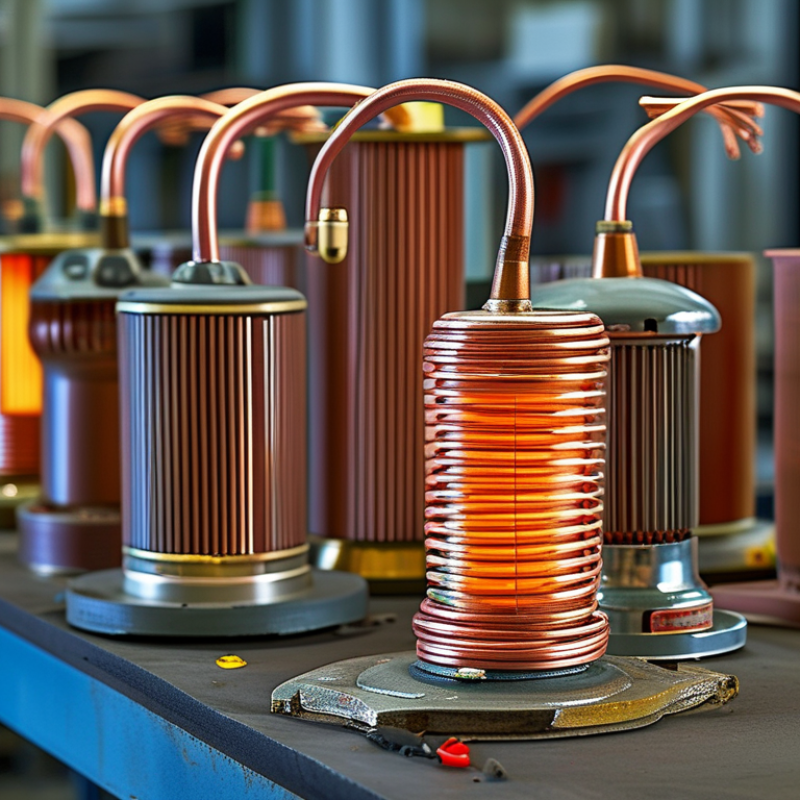
Coil heaters are widely used in various industrial applications. They provide a reliable method for heating different materials quickly. Understanding their design and functionality is crucial when selecting the right coil heater. Generally, coil heaters consist of resistance wire coiled around a core. This structure allows for efficient heat transfer and uniform heating.
When considering a coil heater, it is important to think about the application. Will it be used for curing, melting, or maintaining temperature? Each of these applications has unique requirements. For instance, the watt density must match the material being heated. A higher watt density can lead to quicker heating but may cause uneven temperatures. Therefore, careful calibration is essential.
Another aspect to ponder is the environment in which the heater will be used. Are there concerns about moisture or chemical exposure? Different insulation materials can withstand various conditions. Assessing both application and environmental factors can guide your decision. While selecting the perfect coil heater may seem straightforward, several nuances warrant attention.
Key Factors to Consider When Selecting Coil Heaters
When selecting coil heaters, a few key factors come into play. Understanding the application requirements is crucial. For instance, coil heaters are widely used in manufacturing processes, from plastics to food production. According to a recent industry report, over 70% of industrial heating solutions involve some form of coil heating technology. This is largely due to their efficiency and versatility for different materials.
Temperature control is another major consideration. Accurate temperature regulation can greatly affect product quality. A study by the Thermal Engineering Society indicated that precise temperature monitoring can improve the overall production efficiency by up to 30%. It’s important to assess the maximum temperature the coil heater needs to reach, as exceeding this can cause failures. Notably, some heaters perform well at high temperatures but may degrade quickly if not chosen correctly.
Material compatibility is also essential. The chosen coil material needs to withstand the specific working environment. Different environments require different material properties, such as corrosion resistance or thermal conductivity. Inadequate compatibility can lead to premature failure. Thus, attention to detail in selecting the correct specifications ultimately influences the longevity and effectiveness of the heating solution. Decisions should be data-driven, backed by comprehensive testing and industry standards.
Material Compatibility and Performance of Coil Heaters
When selecting a coil heater, material compatibility is paramount. Different materials interact uniquely with varying temperatures and environments. For instance, certain metals can corrode quickly when exposed to moisture or high temperatures. Understanding the specific application helps in choosing the right material.
Consider the heating element's performance in different conditions. If a coil heater operates in extreme environments, ensure it’s made from durable materials like stainless steel or specialized alloys. Some materials might lack the thermal conductivity needed for efficient heating. This can lead to inefficiencies and even damage over time.
Tip: Always test your coil heater in a controlled environment before full-scale use. Observe how the material behaves under maximum load and temperature. Regular checks can reveal potential issues before they become critical. Choosing the right material ultimately enhances performance and longevity. Ensure to assess both the chemical and physical properties of your heater's materials. Knowledge is key to preventing costly mistakes.
Energy Efficiency and Cost Considerations for Coil Heaters
When selecting a coil heater, energy efficiency is a crucial aspect to consider. Efficient coil heaters consume less electricity, leading to lower utility bills. This can significantly impact your overall costs, especially in larger applications. Look for heaters with good insulation and fast heat-up times. These factors enhance performance and ensure you're not wasting energy.
Cost considerations extend beyond initial purchase prices. Maintenance and operating costs can add up. Some heaters may be cheaper upfront but inefficient in the long run. Research the lifespan of the heater and its components. Regular maintenance can prevent unexpected expenses.
Another factor to contemplate is the power output. Heaters with higher wattage often provide quicker heating, but this can increase energy use. Assess your heating needs to avoid overspending on unnecessary power. Balancing these aspects requires thoughtful reflection on your specific requirements and goals.
Maintenance and Safety Tips for Coil Heater Usage
Coil heaters are efficient for many industrial applications, but they require proper usage and maintenance for safety. Regular inspection is crucial. An estimated 30% of coil heater failures result from neglecting maintenance. Checking for signs of wear or damage can prevent dangerous malfunctions.
Temperature control is also vital. Many heating accidents occur when coils overheat. Using temperature regulators can reduce risks. They help maintain optimal performance and extend the heater’s lifespan. Reports show that maintaining recommended operating temperatures can increase efficiency by up to 25%.
Heating elements can degrade over time. It is essential to replace worn-out coils before they fail. Routine cleaning is another important aspect. Dirt and debris can interfere with performance. In a survey, 40% of users admitted neglecting regular cleaning. Ignoring this can lead to inefficient heating and increased energy costs. Proper documentation of usage and maintenance can help identify patterns and improve safety measures in long-term operations.
Essential Tips for Choosing the Right Coil Heater
| Tip Category |
Description |
| Power Rating |
Choose a coil heater with an appropriate wattage for your specific heating needs. |
| Material |
Select a coil heater made from durable materials that can withstand high temperatures. |
| Size and Dimensions |
Ensure the heater fits the space where it will be installed, considering both height and width. |
| Safety Features |
Look for heaters with built-in safety features like overheat protection and automatic shutoff. |
| Efficiency |
Select a model that offers good thermal efficiency to save on energy costs. |
| Ease of Maintenance |
Choose a heater that is easy to clean and maintain for long-term performance. |
| Cost |
Consider your budget and compare the cost against the features and benefits of each model. |
| Warranty |
Check the warranty period to ensure you are protected against any defects or issues over time. |