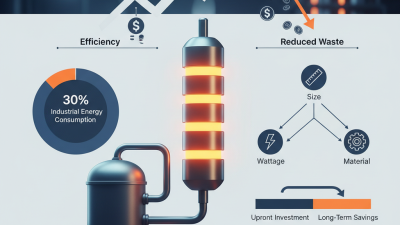
China Top Heat Tracing Systems for Industrial Applications Explained
In the realm of industrial applications, Heat Tracing Systems play a critical role in maintaining process temperatures. These systems, essential for preventing fluid freezing and ensuring flow, have seen significant growth. According to a recent market report, the global heat tracing market is projected to reach $6 billion by 2026. This growth underscores the rising demand for effective thermal management solutions in industrial settings.
Heat tracing technology includes electrical and steam tracing systems, each with distinct advantages. Industries such as oil and gas, and chemicals, rely heavily on these systems. They ensure safety and operational efficiency. However, despite advancements, challenges remain. Selecting the right system can be complex. This complexity can lead to inefficiencies in maintenance and energy consumption.
As industries evolve, the demand for reliable and efficient Heat Tracing Systems continues to escalate. With this demand comes the need for transparency and expertise from manufacturers. Companies must navigate technical specifications and compliance standards. It is essential to seek reliable data and thorough analysis when choosing heat tracing solutions. Understanding these systems is key to enhancing productivity and reducing operational risks.
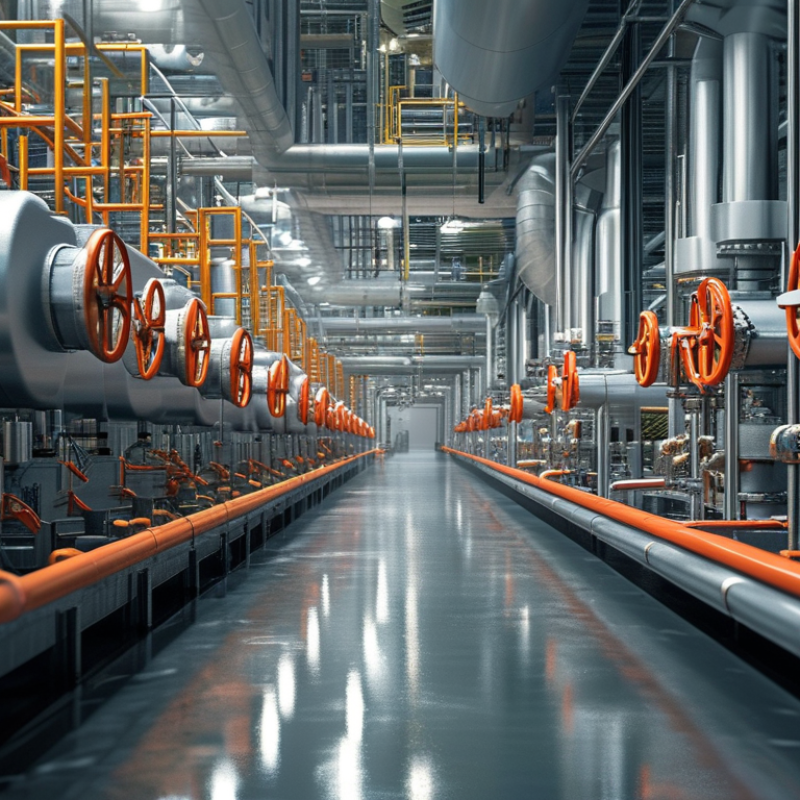
Overview of Heat Tracing Systems in China
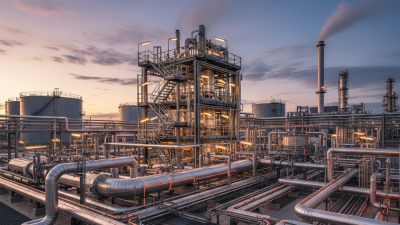
Heat tracing systems play a crucial role in industrial applications across China. These systems ensure that temperatures are maintained within required levels, particularly in pipelines and storage tanks. This is vital for industries such as oil and gas, chemical manufacturing, and food processing. As industries expand, the demand for reliable heat tracing solutions grows. Various technologies, including electric and steam heat tracing, are utilized to meet diverse operational needs.
In China, the implementation of heat tracing systems is guided by specific regulations and standards. Expertise in designing and installing these systems is essential. Many local suppliers lack comprehensive knowledge about advanced technologies. This can lead to improperly installed systems that fail to perform effectively. Regular maintenance is another area that requires attention. Often, businesses overlook the importance of inspecting these systems, which can result in costly downtimes and safety risks.
Training and education can help bridge these gaps. Knowledge sharing among industry professionals is vital. Implementing best practices can boost overall system efficiency. Simplified guidelines should be promoted to ensure that workers understand essential aspects of heat tracing. With the right focus on training and technology, China's industrial sector can significantly improve its heat tracing effectiveness.
Key Components of Industrial Heat Tracing Systems
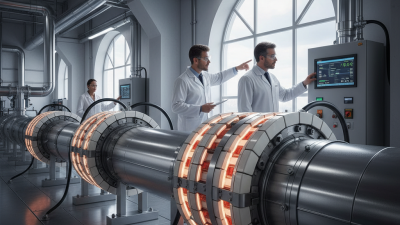
Industrial heat tracing systems play a crucial role in various processes. These systems are designed to maintain the temperature of pipes and tanks. Essential components include heating cables, control systems, and insulation. Each part contributes to efficiency and reliability when managing temperature-sensitive materials.
Heating cables are the core component. They can be self-regulating or constant wattage types. Self-regulating cables adjust their output based on the surrounding temperature. This feature promotes energy savings and reduces the risk of overheating. On the other hand, constant wattage cables provide a steady heat output. This consistency is vital for certain applications, though it may lead to higher energy consumption.
Control systems monitor and manage temperature levels. They can include simple thermostats or sophisticated programmable logic controllers (PLCs). Accurate control enhances safety and prevents potential failures in processes. Proper insulation is also crucial. It retains heat and prevents energy loss. However, ensuring the insulation remains intact can be challenging due to wear and environmental factors.
Tips: Regular inspection of heating cables is essential. Look for any signs of wear or damage. Proper maintenance can extend the lifespan of your system. Always ensure insulation is in good condition to maximize energy efficiency.
Types of Heat Tracing Technologies Used in China
Heat tracing technologies play a vital role in various industrial applications across China. These systems provide essential temperature maintenance for pipes, tanks, and equipment in many sectors. Understanding the types of heat tracing technologies can help industries optimize their operations.
One common type is electric heat tracing. It uses electrical cables to provide heat directly to surfaces. This method is energy-efficient and ideal for complex installations. Another widely used technique is steam heat tracing. It employs steam lines wrapped around pipes. This solution works well for large, insulated systems.
Tips: Regular maintenance of heat tracing systems ensures efficiency. Inspections can prevent costly failures.
Another approach is self-regulating heat tracing. This system adjusts heat output based on temperature changes. It offers precise control and reduces energy waste. Nonetheless, some users find it challenging to install properly. Each technology has its strengths and weaknesses, requiring careful consideration.
Tips: Keep detailed records of heat tracing installations. Documentation aids in troubleshooting later. Training personnel is equally important for safe operation.
Types of Heat Tracing Technologies Used in China
Applications of Heat Tracing in Various Industries
Heat tracing systems play a vital role in various industries. They are essential for maintaining and managing temperature-sensitive materials. In the oil and gas sector, heat tracing ensures that pipelines and storage tanks remain at optimal temperatures. This helps prevent freezing and maintains fluid viscosity during colder months.
In a manufacturing environment, heat tracing is commonly used to protect pipes, valves, and instruments. These systems keep liquids flowing smoothly, avoiding production delays. Proper installation and monitoring of these systems are crucial. Regular maintenance checks can prevent unexpected failures.
Tips: Always assess the specific needs of your facility. Understanding environmental conditions can lead to better system design. Consider energy efficiency when selecting heat tracing solutions. Making informed choices can significantly impact operational costs.
Food and beverage production also benefits from heat tracing technology. It helps maintain hygiene and compliance with health regulations. However, improper usage can lead to overheating or contamination risks. Thorough training for personnel is necessary to mitigate these concerns. Educating staff about best practices can enhance safety and efficiency.
Future Trends in China's Heat Tracing Systems Market
Heat tracing systems are essential for various industrial applications in China. The country is seeing a significant shift in its heat tracing systems market. With a CAGR of over 10% projected for the next five years, the growth is driven by expanding industries like oil and gas, chemical manufacturing, and food processing. This shift reflects a broader trend towards enhanced efficiency and reliability in thermal management solutions.
Recent reports indicate a growing preference for self-regulating and constantly monitoring systems. These advancements ensure optimal performance while minimizing energy consumption. However, the reliance on new technologies also raises concerns regarding maintenance and worker training. A lack of skilled professionals can hinder the effective implementation of these systems, as the technology evolves rapidly.
Another critical aspect is the integration of IoT into heat tracing solutions. This development promotes real-time data analysis, enhancing decision-making and process control. Industrial operators need to address potential cybersecurity vulnerabilities that may arise with increased connectivity. Balancing innovation with robust security measures remains a challenge in this evolving landscape.
China Top Heat Tracing Systems for Industrial Applications Explained - Future Trends in China's Heat Tracing Systems Market
| Application Sector |
Heat Tracing System Type |
Market Share (%) |
Growth Rate (2023-2028) |
Key Trends |
| Oil & Gas |
Electrical Heat Tracing |
35 |
6% |
Increased automation and safety standards |
| Chemical |
Self-Regulating Heat Tracing |
30 |
5% |
Eco-friendly solutions and efficiency improvements |
| Pharmaceutical |
Mineral Insulated Heat Tracing |
15 |
7% |
Regulatory compliance and sterile conditions |
| Power Generation |
Steam Heat Tracing |
10 |
4% |
Focus on renewable energy integration |
| Food & Beverage |
Heat Transfer Fluids |
10 |
5% |
Sustainability and reducing waste |