Top 10 Heater Pipes for Global Buyers in 2026?
In the evolving landscape of heating solutions, selecting the right Heater Pipes is crucial. As technological advancements shape the market, global buyers face a daunting task. They must navigate various choices, ensuring effectiveness and reliability. Heater Pipes are integral to industrial heating systems, affecting efficiency and performance.
Understanding the unique features of each option is essential. High-quality Heater Pipes provide durability and insulation, while subpar products can lead to inefficiencies. It’s important to consider materials, thickness, and specific applications. A well-chosen Heater Pipe can enhance energy savings and prolong system lifespan. However, not all pipes perform equally.
As we look towards 2026, buyers must remain vigilant. Trends show a shift towards eco-friendly materials and innovative designs. It’s vital to weigh these developments against traditional offerings. This analysis not only empowers decision-making but also prompts a deeper reflection on energy consumption and sustainability. Balancing cost with quality in Heater Pipes is a challenge, yet it is an attainable goal for those committed to making informed choices.
Overview of Heater Pipe Technology Trends in 2026
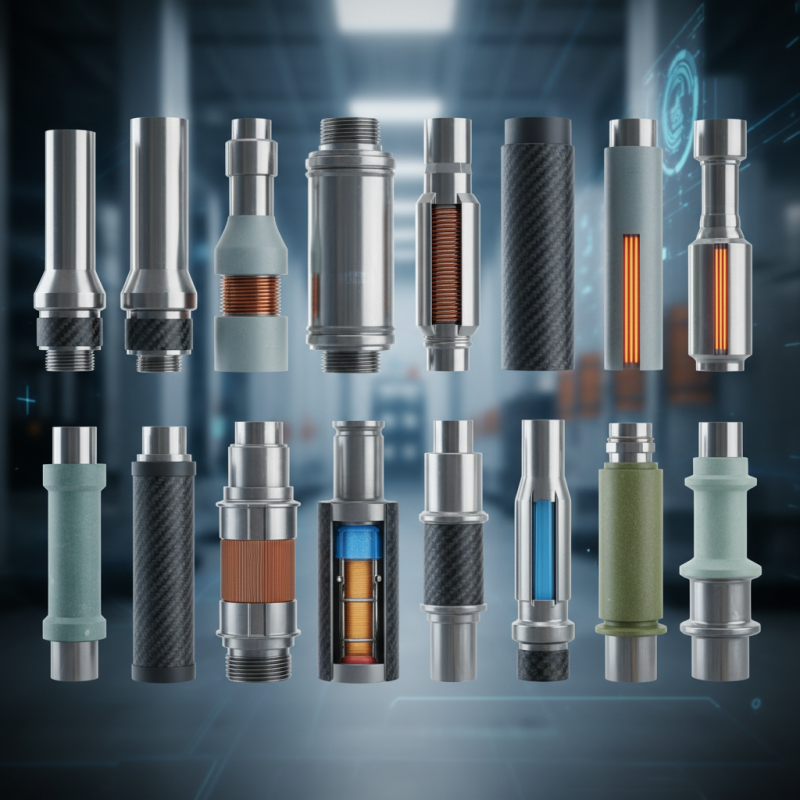
In 2026, the heater pipe industry is witnessing notable technology trends. Advanced materials are gaining prominence, offering better durability and efficiency. Many manufacturers are exploring lightweight composites. These materials promise enhanced thermal conductivity and resistance.
Smart technology integration is another pivotal trend. With IoT capabilities, consumers can now monitor heating performances remotely. This feature adds convenience but raises questions about data security. As homes become smarter, the need for robust cybersecurity in heating systems grows. The balance between usability and security will require ongoing attention.
Sustainability is also shaping the future of heater pipes. Manufacturers are prioritizing eco-friendly practices in production. This shift is essential, yet there are concerns about scalability. Transitioning to greener options may not be feasible for all regions. The challenge lies in finding a sustainable path that also meets market demands. An evolving landscape calls for innovation while addressing these pressing issues.
Top 10 Heater Pipes for Global Buyers in 2026
Top Brands and Manufacturers of Heater Pipes in the Global Market
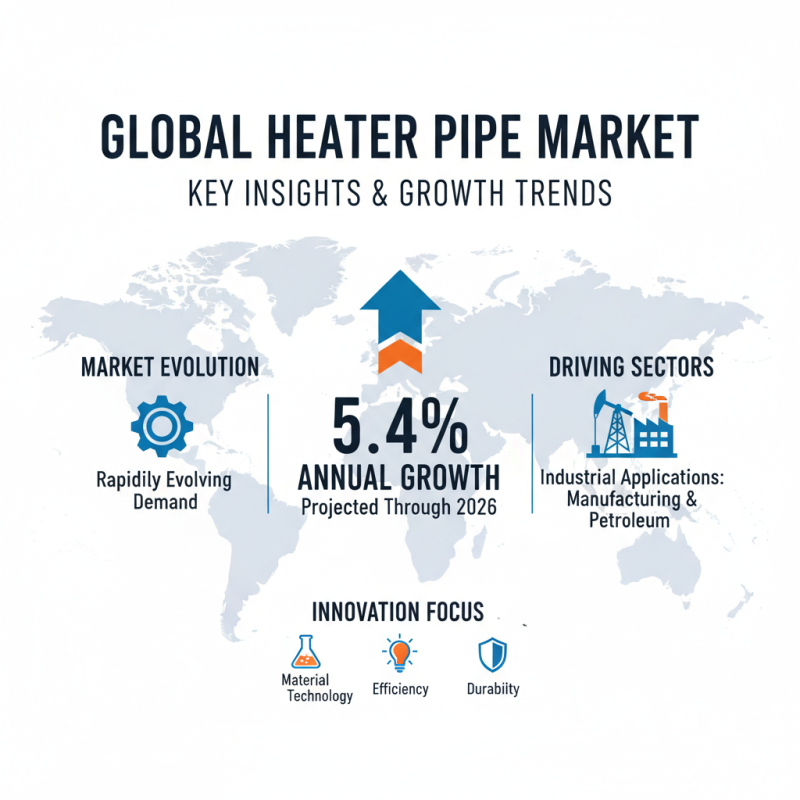
The global heater pipe market is rapidly evolving. A recent industry report indicates a projected growth rate of 5.4% annually through 2026. This growth indicates a surge in demand for reliable heating solutions across various sectors. Industrial applications, particularly in manufacturing and petroleum, are major contributors. Their needs drive advancements in material technology, efficiency, and durability.
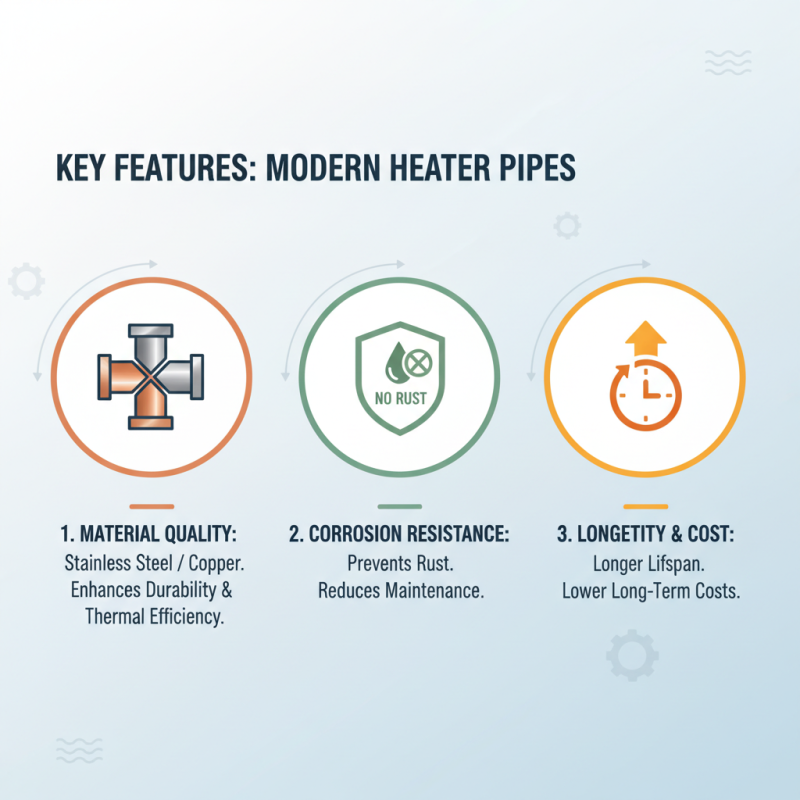
Top manufacturers are focusing on high-grade materials. Stainless steel and copper are preferred for their thermal conductivity. Reports suggest that these materials enhance performance and lifespan. Effective installation methods are crucial; poorly installed systems can lead to inefficiencies. Industry standards emphasize quality control and safety measures. However, the market still faces challenges, including fluctuating raw material costs.
Consumer preferences are shifting towards energy-efficient solutions. Research shows that nearly 70% of buyers prioritize sustainability when choosing heater pipes. This trend pushes manufacturers to innovate. Yet, not all brands meet these expectations consistently. Mistakes in production or logistics can compromise reliability. The industry must address these gaps to maintain trust and build a better future.
Comparative Analysis of Heater Pipe Materials and Durability
When selecting heater pipes, material choice significantly affects durability. Studies indicate that stainless steel pipes, often preferred for their corrosion resistance, outperform other materials in harsh environments. According to a recent industry report, stainless steel can last up to 30 years under optimal conditions, showing fewer maintenance needs compared to alternatives.
Conversely, galvanized steel pipes, while cost-effective, may only last 10 to 15 years. Their susceptibility to rust and deterioration limits their long-term viability. This discrepancy in lifespan illustrates the importance of proper material evaluation. Additionally, the thermal efficiency differs greatly. Copper pipes, while conductive, can be expensive and require careful handling. Their performance metrics indicate superiority in heat transfer, but their fragility poses a challenge.
Even with these insights, many buyers struggle with decision-making. It's crucial to consider not only the immediate costs but also long-term performance and maintenance implications. The right choice should align with specific operational needs. Balancing cost against durability and efficiency can lead to a more effective investment in heater pipes. Reflecting on these factors truly enhances decision-making.
Environmental Regulations Impacting Heater Pipe Production and Use
Environmental regulations are increasingly shaping the production and use of heater pipes worldwide. In recent years, stricter emissions laws have pressured manufacturers to adopt cleaner technologies. The focus is on reducing greenhouse gas emissions and minimizing environmental impact. These regulations drive innovation and efficiency in the heating industry.
Many manufacturers struggle to comply with these new standards. While some companies adapt quickly, others face challenges. The risk of penalties and market exclusion is real. As a result, the industry is witnessing a shift towards sustainable materials and energy-efficient designs. This evolution is crucial for staying competitive in a greener economy.
The impact of these regulations can be profound. Consumers are becoming more environmentally conscious. They seek products that align with their values. Hence, manufacturers must not only comply but also anticipate future regulations. This proactive approach can mitigate risks and foster long-term growth. The road ahead is complex, yet essential for a sustainable future.
Top 10 Heater Pipes for Global Buyers in 2026
| Rank |
Material |
Diameter (mm) |
Maximum Temperature (°C) |
Environmental Compliance |
| 1 |
Stainless Steel |
50 |
800 |
ISO 14001 |
| 2 |
Copper |
30 |
600 |
RoHS |
| 3 |
Aluminium |
40 |
500 |
WEEE |
| 4 |
Carbon Steel |
60 |
700 |
ISO 9001 |
| 5 |
PVC |
25 |
150 |
REACH |
| 6 |
Composite |
35 |
400 |
ISO 50001 |
| 7 |
Bronze |
55 |
650 |
PSE |
| 8 |
Steel |
70 |
750 |
BIS |
| 9 |
Titanium |
80 |
900 |
ASTM |
| 10 |
Glass Fiber |
20 |
250 |
UL Environment |