Top 10 Heating Cables to Explore at the 2026 Canton Fair?
As we approach the 2026 Canton Fair, the spotlight will shine on Heating Cables. This vital industry is evolving, emphasizing both innovation and quality. Dr. Emily Chen, an expert in heating technology, once remarked, "Heating Cables are the backbone of energy efficiency in modern construction."
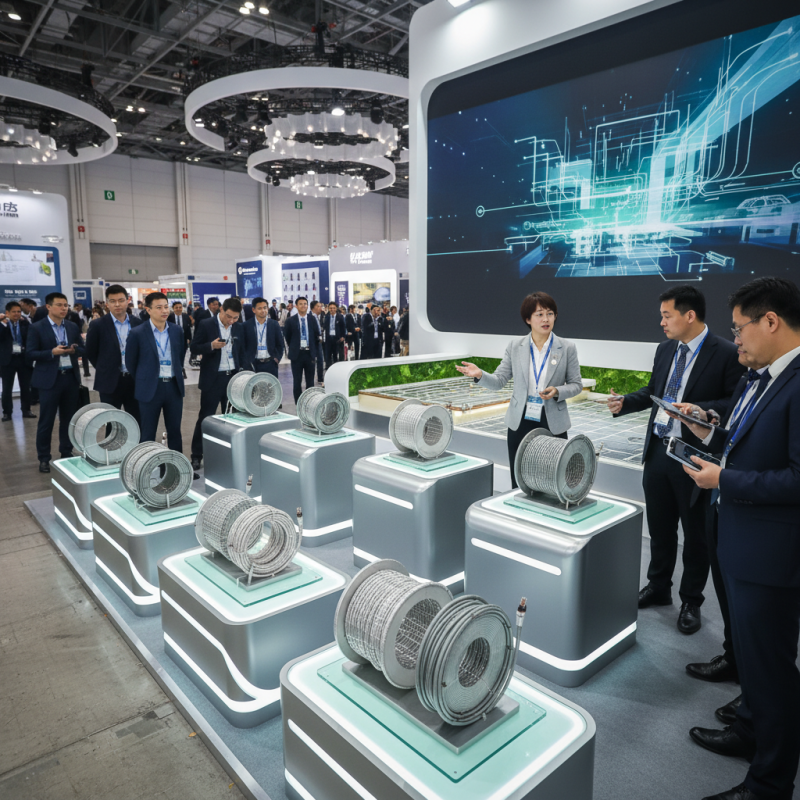
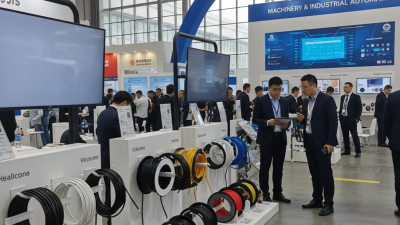
The Canton Fair will showcase the top ten heating cable options, highlighting advancements in design and functionality. With over 1.55 million square meters of exhibition space, navigating the event can be daunting. However, with AI-powered search tools, buyers can easily find suppliers with essential certifications like ISO and CE.
While there is excitement around new products, challenges remain. Not all advancements are flawless. Buyers must critically assess the impact of these technologies on sustainability. It’s essential to reflect on how Heating Cables can balance efficiency with ecological responsibility.
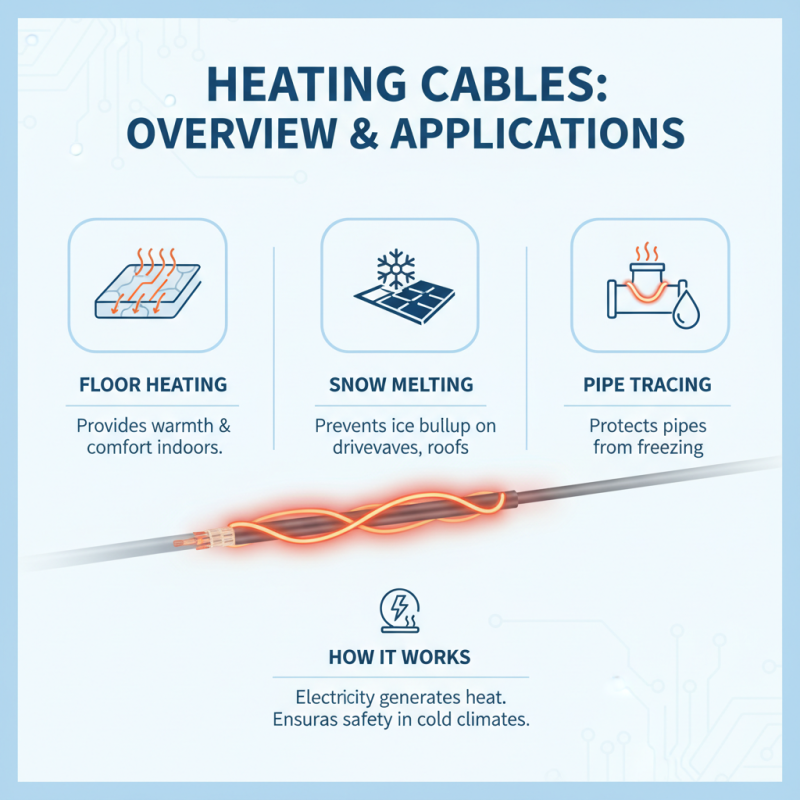
Overview of Heating Cables and Their Applications
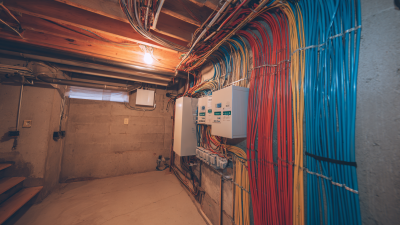
Heating cables play a crucial role in various applications. They are typically used for floor heating, snow melting, and pipe tracing. These cables generate heat when electricity flows through them. This principle ensures comfort and safety in cold climates.
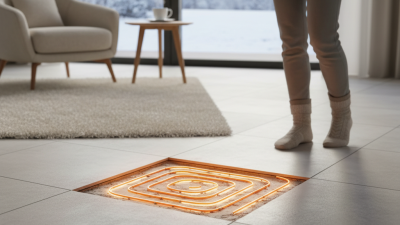
Many homeowners install heating cables under tile or laminate floors. This creates a warm environment, especially in bathrooms and kitchens. In outdoor settings, these cables melt snow on driveways and sidewalks. They help prevent accidents caused by slippery surfaces. However, installation can be tricky. Proper planning and measurement are necessary to avoid hot spots or uneven heating.
In industrial settings, heating cables are vital for maintaining pipe temperatures. This prevents freeze damage in colder areas. Additionally, they are useful in greenhouses to control soil temperature. Yet, choosing the right cable can be overwhelming. Options vary significantly in length, wattage, and insulation type. Users must carefully consider their specific needs to avoid waste or inefficiency.
Criteria for Selecting the Best Heating Cables
When selecting heating cables, you should focus on several criteria. Power output is crucial. Look for cables with sufficient wattage to heat your space effectively. The length of the cable matters too. Measure the installation area precisely to avoid shortages or excess.
Another important factor is insulation quality. High-quality insulation ensures safety and durability. It also helps prevent energy loss. Next, consider the installation process. Some cables are easier to install than others. Check if they come with clear instructions.
Tips: Always read user reviews. They provide real insights into the product’s performance. Pay attention to the warranty. A longer warranty usually reflects better quality.
Lastly, think about energy efficiency. The best heating cables minimize energy consumption while maximizing warmth. It’s easy to overlook this factor, but it can save you money in the long run. Aim for cables that balance effectiveness and eco-friendliness.
Top 10 Heating Cables to Explore at the 2026 Canton Fair
| Heating Cable Type |
Power Rating (W/m) |
Voltage (V) |
Length Options (m) |
Material |
Applications |
| Self-Regulating Cable |
10-20 |
230 |
5 - 100 |
Polymer |
Roofing, Piping |
| Constant Power Cable |
20-30 |
120 |
10 - 50 |
Silicone |
Floor Heating |
| Heating Cable with Thermostat |
15-25 |
230 |
5 - 30 |
PVC |
Greenhouse, Pet Houses |
| Flexible Heating Cable |
10-15 |
240 |
1 - 20 |
Fiberglass |
Industrial Equipment |
| Low-Temperature Cable |
8-12 |
120 |
5 - 15 |
Polyethylene |
Cold Weather Applications |
| High-Temperature Cable |
20-40 |
230 |
10 - 25 |
Metal Shielded |
Oil & Gas Industry |
| Underfloor Heating Cable |
12-25 |
240 |
10 - 40 |
Nylon |
Residential Heating |
| Snow Melting Cable |
15-30 |
120 |
5 - 100 |
Thermoplastic |
Driveways, Walkways |
| Pipe Freeze Protection Cable |
8-14 |
230 |
5 - 50 |
PVC |
Pipes, Vessels |
| Metal Heating Cable |
20-60 |
230 |
5 - 30 |
Metal Alloy |
High Heat Resistance |
Top 10 Heating Cables Featured at the 2026 Canton Fair
The 2026 Canton Fair will showcase an impressive range of heating cables. Attendees can expect innovations in technology and design. These cables are essential for various applications, from floor heating to snow melting. Expect options suitable for both residential and commercial use.
One cable type stands out for its energy efficiency. This feature can lead to cost savings over time. Another option offers flexibility, allowing easy installation in various spaces. The focus on durability is also noteworthy. Some cables are built to withstand harsh conditions, ensuring long-lasting performance.
However, not all heating cables meet the highest standards. Some may fail under extreme temperatures. It's essential to assess the product's specifications carefully. Attendees should engage with manufacturers to ask questions. This helps ensure that the chosen cables align with specific needs. Remember, each cable has its own set of strengths and weaknesses.
Innovative Technologies in Heating Cable Design
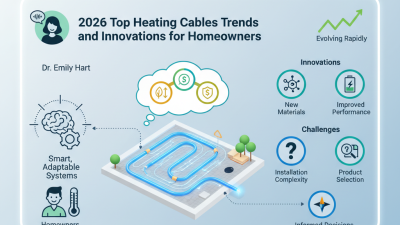
As the 2026 Canton Fair approaches, innovative technologies in heating cable design take center stage. Recent industry reports indicate a growing demand for efficient heating solutions. The global heating cable market is projected to reach around $6 billion by 2027, with a compound annual growth rate (CAGR) of 7.5%. This growth is fueled by advancements such as self-regulating cables and energy-efficient materials.
Self-regulating heating cables provide flexibility in installation. They adjust heat output based on temperature changes. This feature can lead to energy savings up to 30%. Another notable innovation includes the use of eco-friendly insulation materials. These alternatives not only enhance safety but also offer better environmental profiles. However, not all designs have been perfected. Issues like installation complexity and higher initial costs can deter potential buyers.
In addition to performance, smart technology integration is reshaping the heating cable landscape. Sensors and IoT capabilities allow for real-time monitoring and adjustments. Though promising, these systems require robust infrastructure. Poor connectivity can lead to inefficiencies. As the Canton Fair features these innovations, industry professionals are likely to engage in critical discussions about these challenges. The journey towards fully optimizing heating cables is ongoing.
Top 10 Heating Cables to Explore at the 2026 Canton Fair
Market Trends and Future Prospects for Heating Cables
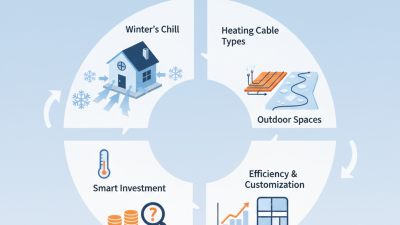
As heating cables gain popularity, the market is evolving rapidly. Today, they are not just for melting snow on driveways. They are becoming integral to smart homes. Many consumers seek energy-efficient solutions. This is where heating cables can shine. Their role in underfloor heating systems is noteworthy. They provide comfort while saving energy.
Trends indicate a rise in demand for customizable heating solutions. Customers want options tailored to their spaces. There is an increasing interest in eco-friendly materials. Manufacturers are exploring new technologies to enhance efficiency. However, reliability remains a crucial concern. Some products may not perform as advertised. Consumers need to research thoroughly before choosing. The future of heating cables depends on innovation and accountability.
The Canton Fair is an ideal venue to discover these advancements. Attendees can explore various designs and functionalities. Engaging with experts can provide valuable insights. Observing market trends firsthand is essential for informed decisions. Ultimately, the heating cable landscape is dynamic. Adjustments will be necessary as consumer preferences shift.