2026 Top Rod Heaters for Global Buyers to Consider?
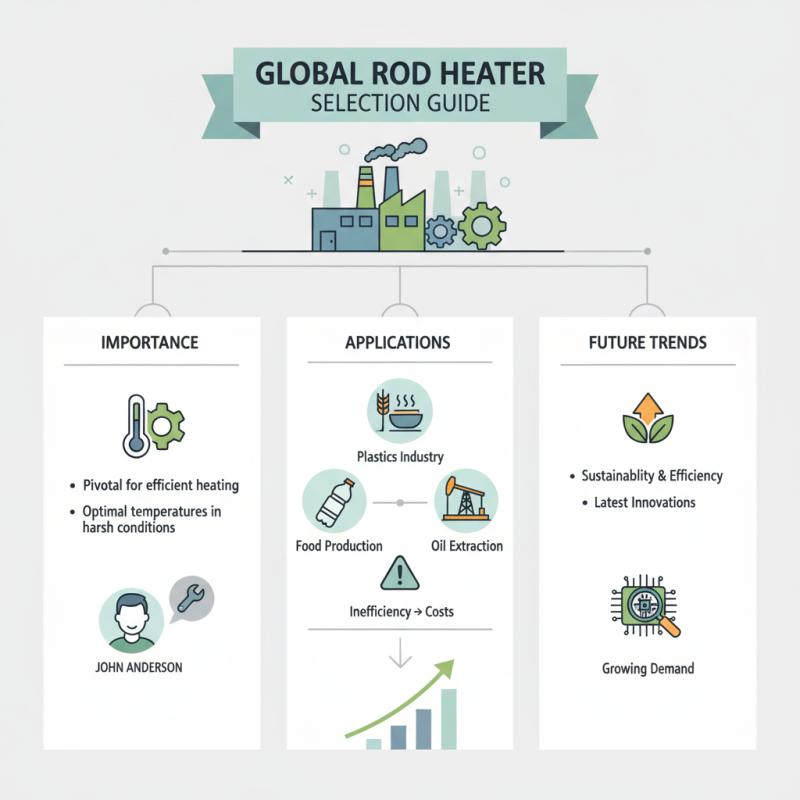
In the dynamic world of industrial applications, Rod Heaters have established themselves as pivotal components for effective heating solutions. As John Anderson, an industry expert with over 20 years of experience, puts it, "Choosing the right rod heater can make or break your project's efficiency." His insight underscores the importance of selecting high-quality equipment.
Rod Heaters are essential for a variety of processes, ensuring optimal temperatures in challenging conditions. They are widely applied in industries such as plastics, food production, and oil extraction. However, not all heaters are created equal. Some may fall short in performance, leading to increased costs and inefficiency. Savvy buyers need to navigate these choices carefully.
Furthermore, the landscape of Rod Heaters is constantly evolving. Sustainability and energy efficiency have become paramount concerns. Evaluating the latest innovations offers a pathway to improved performance. Without careful consideration, buyers might overlook critical advancements that could enhance their operations. Demand for reliable and efficient heating solutions will only grow in the coming years. It’s time for global buyers to step up and explore their options wisely.
Overview of Rod Heaters: Types and Applications
Rod heaters are essential tools in various industrial applications. They provide efficient heating solutions for processes requiring controlled temperature ranges. Common types include electric rod heaters, fluid-filled rod heaters, and ceramic rod heaters. Each type has unique benefits, making it crucial for buyers to understand their specific applications and features.
Electric rod heaters are often favored for their quick response time and precise temperature control. According to a recent industry report, the global market for electric heating products is projected to grow by 5.6% annually. This growth highlights the increasing reliance on electric rod heaters in sectors like oil and gas, chemicals, and food processing.
Fluid-filled rod heaters, on the other hand, are effective in maintaining consistent temperatures over prolonged periods. These heaters utilize heat transfer fluids, which can enhance efficiency. A study noted that these heaters can reduce energy consumption by up to 30% compared to traditional methods. Choosing the right type is a frequent challenge for buyers, as misapplications can lead to operational inefficiencies and equipment damage. Understanding the various rods' specifications and their operational environment is vital for making informed decisions.
2026 Top Rod Heaters: Types and Applications
Top Brands Offering High-Quality Rod Heaters in 2026
In 2026, the demand for rod heaters continues to rise. A recent market report reveals a significant growth rate of 5.2% per year. Buyers are increasingly looking for high-quality options that offer efficiency and durability. This trend highlights the importance of selecting reliable brands known for their expertise in the field.
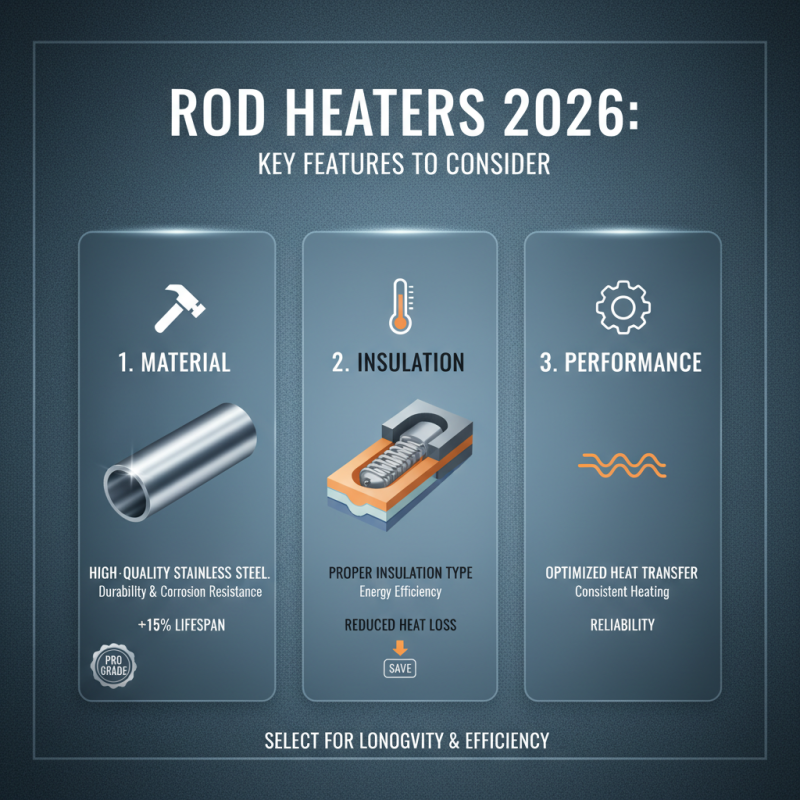
Key characteristics to consider include energy efficiency, heating capacity, and lifespan. Many buyers express frustration with lower-quality models that fail to deliver consistent performance. Statistics show that 30% of users experience issues within the first year. This emphasizes the need for careful brand selection to avoid common pitfalls.
In a landscape filled with choices, it’s crucial to assess manufacturers based on their market reputation. A brand with a proven track record is more likely to provide heaters that meet industry standards. However, even well-regarded brands can have flaws, making thorough research essential before purchasing. Buyers should investigate customer reviews and technical specifications to ensure a wise investment.
Global Market Trends for Rod Heaters: Insights for Buyers
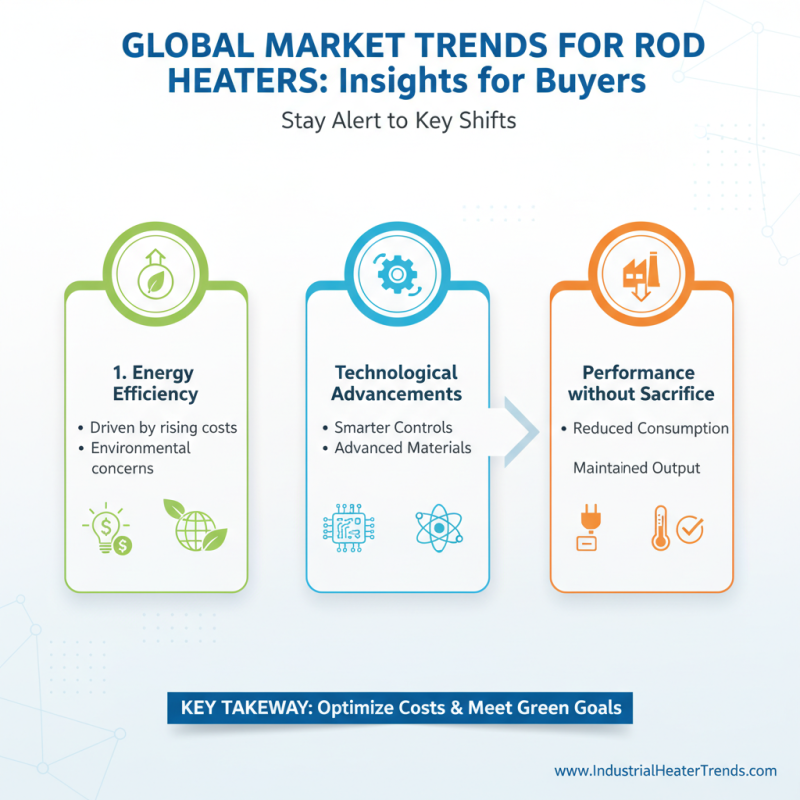
The rod heater market is evolving rapidly. Buyers must stay alert to global trends shaping this industry. In recent years, there has been a noticeable shift toward energy efficiency. This change is driven by rising energy costs and environmental concerns. More buyers are seeking solutions that reduce energy consumption without sacrificing performance.
Additionally, technological advancements are making an impact. Innovations in materials and designs are leading to more efficient heat transfer. These improvements can influence purchasing decisions. However, buyers should be cautious. Not all new technologies offer reliable performance. Some may fall short of expectations. Therefore, evaluating manufacturer credibility is crucial.
Trade shows and industry webinars provide valuable insights. Networking with experienced professionals can also aid decision-making. Engaging with diverse perspectives is essential. It helps buyers make educated choices. Ultimately, understanding market trends and assessing product reliability can guide successful investments in rod heaters.
Maintenance Tips for Prolonging the Life of Rod Heaters
Maintaining rod heaters is crucial for optimal performance and longevity. Regular inspection is key. Look for signs of wear, such as frayed wires or rust. These can indicate potential failures. If you notice any issues, address them immediately. This can prevent costly replacements down the line.
Cleaning the rod heaters is equally important. Dust and debris can accumulate over time. This buildup can hinder efficiency and lead to overheating. Use a soft cloth or brush to remove dirt. Ensure the heater is turned off and cooled down before cleaning. Ignoring this step may result in accidents or equipment damage.
Finally, consider the environment where the heaters operate. Extreme temperatures and humidity can affect their lifespan. Ensure proper ventilation to avoid overheating. Review the installation guidelines regularly; they provide insights into optimal operation. Reflecting on your maintenance habits can lead to improved outcomes in performance and durability.
2026 Top Rod Heaters for Global Buyers to Consider - Maintenance Tips for Prolonging the Life of Rod Heaters
| Model |
Power (W) |
Temperature Range (°C) |
Material |
Weight (kg) |
Maintenance Tips |
| Model A |
1500 |
-20 to 120 |
Stainless Steel |
2.5 |
Regularly check for rust and corrosion. Clean with mild detergent. |
| Model B |
2000 |
0 to 150 |
Aluminum |
3.0 |
Store in a dry place and avoid moisture exposure. |
| Model C |
1800 |
-10 to 130 |
Copper |
2.8 |
Inspect connections and wiring periodically for safety. |
| Model D |
2200 |
25 to 200 |
Titanium |
4.0 |
Maintain a clean environment to extend its lifespan. |