2026 Best Infra Ray Heaters for Efficient Heating Solutions?
In recent years, Infra Ray Heaters have emerged as an innovative heating solution. Reports indicate that these heaters are up to 30% more energy-efficient than traditional options. This efficiency translates into significant savings on energy bills for consumers. As more people seek eco-friendly alternatives, Infra Ray Heaters are gaining traction in residential and commercial settings.
The growing demand for effective heating solutions has prompted manufacturers to improve the technology behind Infra Ray Heaters. The latest models offer precise temperature control and faster heating times. Additionally, advancements have led to more compact designs, making them suitable for small spaces. However, some users may still experience issues with installation or operational efficiency.
Research suggests that proper installation and maintenance can enhance the performance of Infra Ray Heaters. Potential buyers should consider these factors to maximize their investment. While Infra Ray Heaters offer many benefits, careful consideration is essential to ensure optimal functionality. This exploration of the best Infra Ray Heaters for 2026 aims to provide guidance for informed purchasing decisions.
Overview of Infrared Ray Heaters and Their Functionality
Infrared ray heaters function by using infrared technology to provide warmth. Unlike traditional heating methods, these heaters directly warm objects and people rather than the air. This results in efficient heating, making them ideal for both indoor and outdoor spaces. They produce heat instantly, so you feel the difference right away. This direct method reduces energy consumption and costs.
Consider proper placement for optimal results. Positioning the heater at a height allows heat to circulate effectively. Avoid placing it too close to walls or furniture, as this can lead to uneven heating. Regular maintenance is essential to keep these heaters running efficiently. Dust and dirt can accumulate, impacting performance. Cleaning the surface of the heaters regularly will enhance their longevity.
It’s also important to understand safety measures. Clear any clutter around heaters to prevent fire hazards. While infrared heaters are generally safe, close supervision is necessary when they are in use. Take time to read user manuals for specific operational guidelines. By being attentive to these details, you can achieve a comfortable and warm environment effectively.
Types of Infrared Ray Heaters for Different Heating Needs
When selecting infrared ray heaters, understanding the types available is crucial for meeting your specific heating needs. There are primarily two types: radiant heaters and reflective heaters. Radiant heaters emit infrared rays that directly warm people and objects in their path. This type is ideal for large spaces, such as workshops or garages, where quick warmth is needed. On the other hand, reflective heaters distribute heat evenly across a larger area. They are perfect for living rooms or open spaces, enhancing overall comfort without hot or cold spots.
Each type serves a distinct purpose, but some might find the difference subtle. Reflective heaters can take a bit longer to produce warmth, which may not suit everyone’s preferences. Additionally, while radiant heaters are efficient, they may lead to overheating in small rooms, creating a stuffy environment. It's important to consider your space carefully and choose wisely. There’s no one-size-fits-all solution; what works for one room might not work for another. Prioritize your heating needs and ensure you're making the best choice based on the specific requirements of your environment.
2026 Best Infra Ray Heaters for Efficient Heating Solutions
| Type of Infrared Heater |
Heating Area (sq ft) |
Power Consumption (W) |
Heating Time (min) |
Efficiency Rating |
| Portable Infrared Heater |
150 |
1500 |
5 |
90% |
| Wall-Mounted Infrared Heater |
200 |
2000 |
10 |
85% |
| Ceiling-Mounted Infrared Heater |
300 |
3000 |
8 |
92% |
| Outdoor Infrared Patio Heater |
250 |
2500 |
7 |
88% |
| Infrared Quartz Heater |
100 |
1200 |
6 |
87% |
Key Features to Consider When Selecting Infrared Heaters
When selecting infrared heaters, energy efficiency is crucial. Look for models that offer high heat output while consuming less energy. A good heater should have an energy conversion rate of at least 90 percent. This ensures that most of the energy used goes into producing heat, minimizing waste and reducing energy bills.
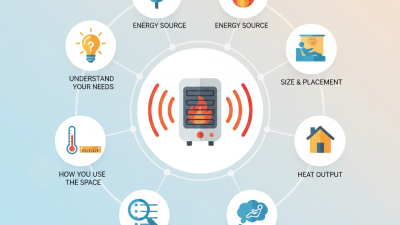
Consider the size of the heater in relation to the space you want to heat. A small heater may not effectively warm a large room. Conversely, an oversized unit can lead to overheating and increased costs. Additionally, portability might be important. Some infrared heaters come with wheels or handles, making them easy to move.
You may also want to evaluate safety features. Overheat protection and tip-over switches can prevent accidents. A model equipped with these features can provide peace of mind, especially in homes with children or pets.
Lastly, examine the heater's design and aesthetic appeal. A visually pleasing heater can blend seamlessly into your décor while providing efficient heat.
Top Brands and Models of Infrared Ray Heaters for 2026
In 2026, the demand for infrared ray heaters continues to grow due to their efficiency and eco-friendliness. Many households are choosing these units for their ability to provide immediate warmth. Recent reports indicate that infrared heaters can reduce energy consumption by up to 30% compared to traditional heating methods. This statistic supports the idea that these heaters are both cost-effective and energy-efficient.
Top brands are enhancing their designs to meet consumer needs. They focus on safety features and user-friendly technology. For instance, some models include built-in timers and remote controls. These advancements cater to the modern user's convenience. However, not all infrared heaters deliver consistently high performance. Variability in heating capacity and heating time can be notable, prompting users to conduct thorough research before purchasing.
Despite the advancements, consumers should also consider potential drawbacks. Some infrared heaters can create glare and may not warm larger spaces effectively. Moreover, the placement of the heater can impact its efficiency. Understanding your heating needs is crucial when selecting the right model. According to industry experts, consumers should prioritize heaters with adjustable heat settings and good warranties for optimal satisfaction.
Energy Efficiency and Cost-Effectiveness of Infrared Heating Solutions
Infrared heating solutions are gaining traction for their energy efficiency and cost-effectiveness.
Unlike traditional heaters, infrared heaters warm objects and people directly.
This method minimizes heat loss and maximizes comfort. It results in lower energy consumption, which can significantly reduce heating bills over time.
The design of these heaters often includes smart technology. Many models can be programmed to suit individual schedules.
This feature allows homeowners to avoid unnecessary heating when they are not at home.
While initial costs may vary, the long-term savings are often worth it.
However, not all infrared units deliver the same efficiency or performance.
Research is essential when selecting the best options.
Another important consideration is the placement of infrared heaters.
They can be affected by surrounding factors. If blocked, their efficiency decreases.
Users might need an adjustment period to find the most effective setup.
Understanding these details can enhance overall heating effectiveness.
Reflection on personal experiences can lead to better choices in the long run.