How to Choose the Best Electric Infrared Heater for Your Needs?
When exploring the right Electric Infrared Heater for your needs, understanding the nuances can be challenging. Market research suggests that the infrared heating sector is expected to grow by over 15% in the next five years. This growth reflects the increasing demand for energy-efficient heating solutions. Industry expert Dr. Emily Cross emphasizes, “Choosing the right heater is essential for optimizing comfort and energy efficiency in your space.”
Electric Infrared Heaters have unique advantages, such as direct heating, rapid warmth, and lower operating costs. Many models can provide heat within seconds, making them ideal for residential and commercial environments. However, with numerous options available, selecting the right unit is not straightforward. Users often find it confusing due to various specifications and features.
Some commonly overlooked details include the heater's wattage, coverage area, and control options. Ensuring that the chosen model aligns with specific heating needs is crucial. A mismatch can lead to uncomfortable conditions or inefficient energy use. Consumers are urged to reflect on their specific heating locations and personal preferences before making a decision.
Understanding the Basics of Electric Infrared Heaters and Their Functionality
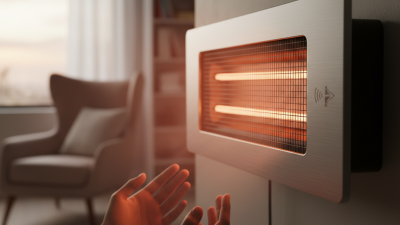
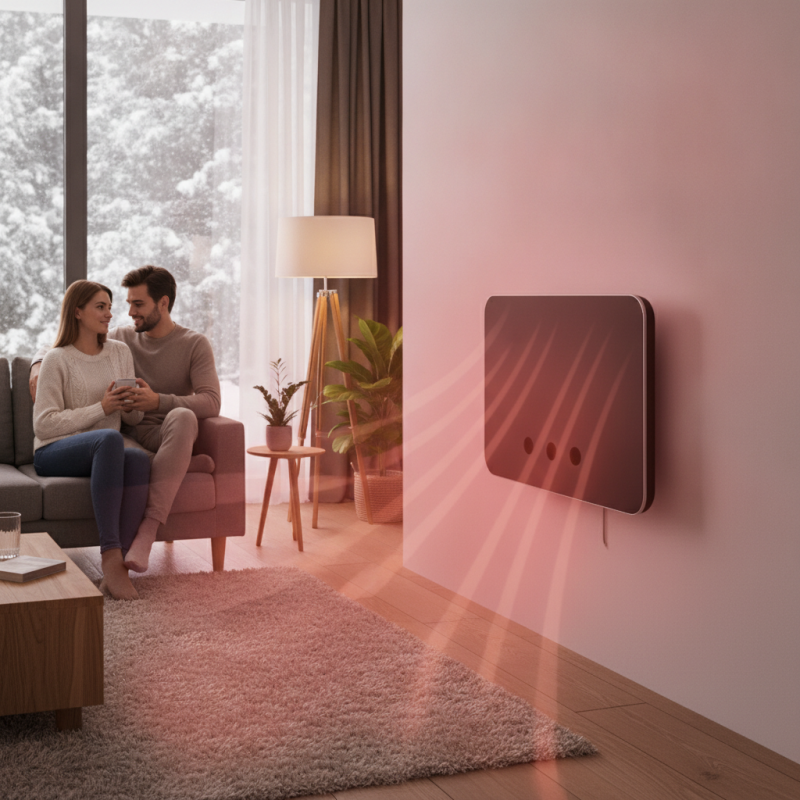
Electric infrared heaters operate differently from standard heaters. They use infrared technology to warm objects and people directly, rather than heating the air. This method is often more efficient. You can feel the warmth almost immediately. It's ideal for spaces that need spot heating.
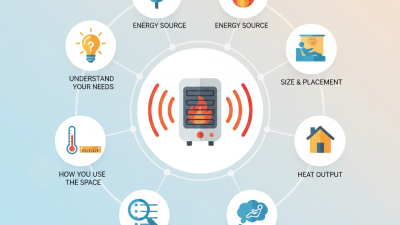
When selecting an electric infrared heater, consider the space you want to heat. Measure the area carefully. A heater that is too small might struggle to warm the room effectively. On the other hand, getting a heater that is too powerful can lead to excessive energy use and costs. It's essential to find a balance that suits your needs.
Another factor to think about is safety features. Some models come with timers and overheat protection. These features can help avoid accidents. However, the more features a heater has, the more complex it can be. Sometimes, simpler models offer better reliability. Reflect on your priorities when making a choice.
Identifying Your Heating Needs and Room Size Requirements
When selecting an electric infrared heater, understanding your heating needs is crucial. Consider the size of the room you want to heat. Larger spaces will require more powerful heaters. For small areas, a compact model might suffice. Measure your room's dimensions. Calculate the square footage. This information helps you choose a heater with the right wattage.
Tips: For rooms with high ceilings, consider the height when calculating. Heat rises, so you might need additional power to achieve comfort. Assess your insulation as well. Poorly insulated rooms will lose heat quickly, requiring a more efficient model to maintain warmth.
Also, think about your usage patterns. If you only need heat occasionally, a portable option may be ideal. For more consistent heating, consider a larger unit. Sometimes, you may realize that your expectations exceed reality. It's essential to align your choices with your actual needs and habits. Prioritize efficiency to save on energy bills while ensuring sufficient heat.
Comparing Different Types and Models of Electric Infrared Heaters
When selecting an electric infrared heater, understanding the different types and models is crucial. Infrared heaters come in various forms, including panel, portable, and wall-mounted units. Each type caters to specific needs. For instance, portable heaters offer flexibility, making them ideal for temporary use. Panel heaters blend seamlessly with decor, but they may lack mobility. Consider how often you will move the heater or keep it stationary.
Energy efficiency is another significant factor. Some models optimize power usage, while others consume more electricity. Look for units with adjustable settings. This feature allows you to control the heat output according to your comfort level. Additionally, check the wattage. Devices with higher wattage typically heat more space quickly.
Finally, think about safety features. Overheat protection and tip-over switches can make a difference in safety. It’s essential to read reviews and comparisons. However, it's also vital to recognize that anyone can overlook crucial details in product specs. Not all information is right or relevant. Balancing needs and expert advice can sometimes feel overwhelming, but it’s a key step in making an informed choice.
Evaluating Energy Efficiency and Operating Costs of Infrared Heaters
When evaluating infrared heaters, energy efficiency is a critical factor. According to the U.S. Department of Energy, infrared heaters can be 30% more efficient than traditional heating methods. They directly warm objects and people instead of the air, leading to faster heating. This can significantly reduce energy consumption, particularly in small spaces.
Operating costs are another essential consideration. The cost of running an infrared heater largely depends on local electricity rates. Recent reports suggest average operating costs can range from $0.10 to $0.20 per hour, depending on the model and usage patterns. If you use the heater for extended periods, the cumulative costs may become noticeable. This is important for budget-conscious consumers.
Moreover, it's worth noting that not all infrared heaters are designed equally. Some models may have lower initial prices but higher long-term operational costs due to less efficient technology. Users should critically assess the specifications and warranty information provided by manufacturers. Evaluating the fine print of energy ratings can help ensure a wise investment, as some claims may be overly optimistic. Being thorough in your research will yield better results.
Safety Features and Maintenance Considerations for Electric Infrared Heaters
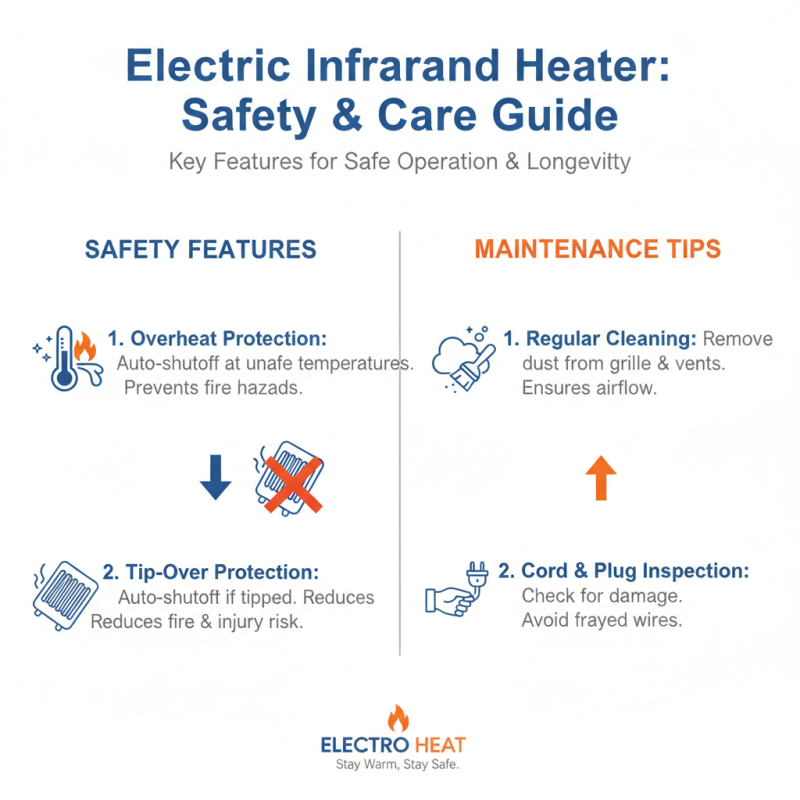
When choosing an electric infrared heater, safety features are paramount. Look for models equipped with overheat protection. This feature automatically shuts off the heater if it exceeds safe temperature limits. Such a mechanism prevents fire hazards, which is a crucial consideration in any heating device. Another vital aspect is tip-over protection. If the heater accidentally tips over, this safety feature will power it down, minimizing risks of injury or fire.
Maintenance is also essential for safe operation. Regularly clean the heater to prevent dust buildup, which can affect efficiency. Check the wiring and connections periodically. Look for frayed cords or loose connections. Ignoring these signs can lead to malfunction or even fires. Furthermore, it's wise to assess the heater's location. Keep it away from flammable materials. Using infrared heaters in adequately ventilated spaces enhances safety.
Selecting an electric infrared heater requires careful consideration of these factors. Overlooking maintenance can lead to unexpected issues. Each heater behaves differently, so understanding specific requirements can enhance safety. An informed choice will contribute to a more secure heating experience.