Leave Your Message

How to Choose the Right Heater Bar for Global Sourcing?

Choosing the right Heater Bar for global sourcing requires more than comparing prices and wattage. A reliable selection begins with the equipment’s actual working conditions. Consider the required temperature, heating area, voltage, installation space, and duty cycle. A bar used inside a packaging machine may face different demands from one installed in an industrial oven. Small differences matter. A poorly matched unit can create uneven heat, longer warm-up times, or premature failure.

Experienced buyers usually request complete technical data before contacting suppliers. Check the material, insulation structure, terminal design, surface treatment, power tolerance, and expected service life. Confirm whether the Heater Bar supports your local voltage and frequency. Ask for drawings, test reports, quality records, and traceable production information. Samples should be tested under realistic conditions, including repeated heating and cooling. A product that performs well for ten minutes may behave differently after several production cycles.

Supplier capability also deserves close attention. Review manufacturing experience, inspection procedures, packaging methods, and communication speed. Global shipments add practical risks, such as moisture, vibration, delays, and replacement difficulty. Confirm lead times and after-sales support in writing. Certifications can support confidence, but they should match the product and destination market. They are not a substitute for testing.

There is no universal best Heater Bar. The cheapest option may become expensive after downtime and rework. Still, even careful buyers can miss hidden operating details. Recheck your assumptions before placing a large order. A clear specification, verified sample, and honest supplier discussion create a safer sourcing decision.
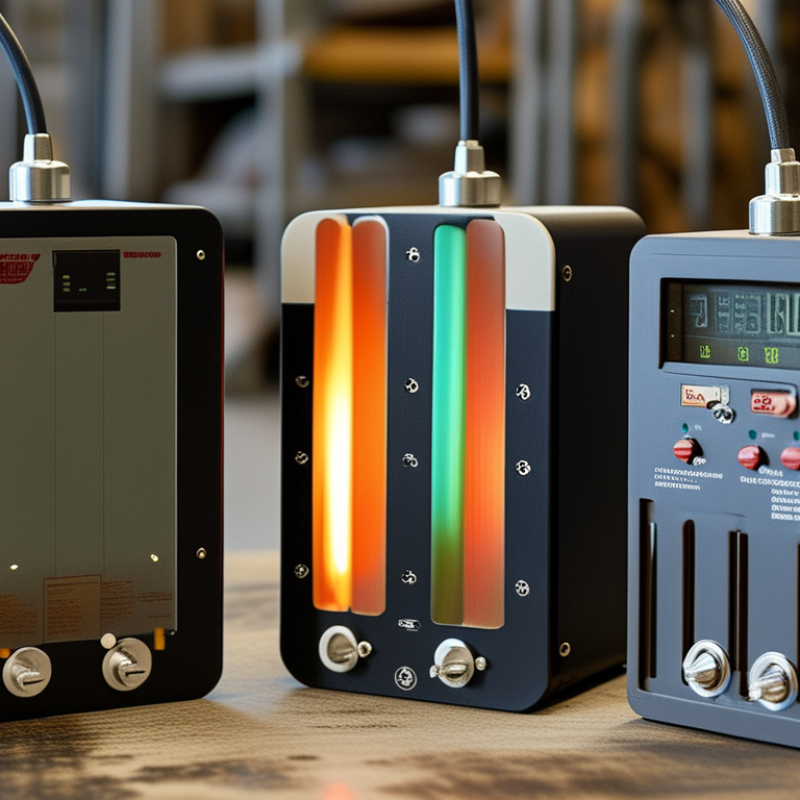
How to Choose the Right Heater Bar for Global Sourcing?

Understanding Heater Bar Types and Their Global Sourcing Applications

How to Choose the Right Heater Bar for Global Sourcing?

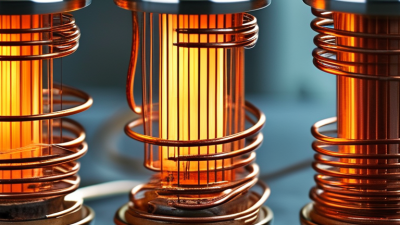
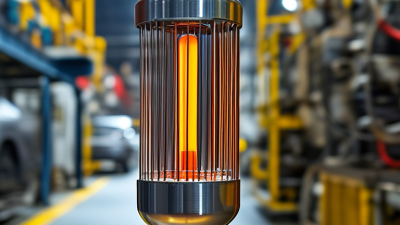
Heater bar types differ in heat speed, surface temperature, durability, and installation needs. Ceramic heater bars suit infrared applications, where focused radiant heat must warm a surface evenly. Mica-insulated bars respond quickly and fit compact sealing equipment. Tubular heater bars offer stronger mechanical protection for ovens, molds, and industrial tanks. Each type creates a different sourcing risk.

In global projects, confirm voltage, wattage, dimensions, terminal design, and operating temperature before requesting quotations. Ask for material specifications, temperature test records, and batch inspection procedures. A supplier should explain heat distribution, insulation resistance, and expected service conditions clearly. I have seen buyers compare prices first, then discover that a cheaper bar requires costly wiring changes. That mistake is easy to repeat.

Tips: Match the heater bar to the equipment, not only the product photo. Request a sample with your actual mounting method. Check packaging for ceramic cracks, bent terminals, and moisture exposure. Review production capacity and lead times during peak seasons. A small pilot order can reveal uneven heating or poor fit. Do not treat one successful sample as complete proof. Test several pieces under realistic cycles, because performance may vary between batches. Also confirm applicable electrical documentation for the destination market.

How to Choose the Right Heater Bar for Global Sourcing? – Understanding Heater Bar Types and Their Global Sourcing Applications

Heater Bar Type Typical Heating Material Common Sheath or Surface Material Typical Operating Temperature Main Advantages Common Applications Global Sourcing Considerations
Cartridge Heater Bar Nickel-chromium resistance wire Stainless steel or nickel-based alloy sheath Approximately 200–750°C, depending on construction and load High watt density, compact size, quick heat transfer, easy insertion into drilled holes Molds, dies, packaging equipment, sealing jaws, hot runners and industrial tooling Confirm diameter tolerance, heated length, cold section, lead protection, insulation resistance and fit with the equipment bore
Tubular Heater Bar Nickel-chromium resistance wire surrounded by compacted mineral insulation Stainless steel, Incoloy-type alloy or other corrosion-resistant metal Approximately 300–800°C at the sheath, depending on design Can be formed into different shapes, strong mechanical construction and suitable for air or surface heating Ovens, dryers, air ducts, tanks, grills, machinery and process heating systems Specify bend radius, mounting method, terminal configuration, moisture resistance and required electrical testing
Ceramic Heater Bar Embedded resistance wire or resistance ribbon in ceramic insulation Ceramic body, often alumina-based or other high-temperature ceramic Often suitable for temperatures above 700°C, subject to design and atmosphere Excellent high-temperature stability, electrical insulation and resistance to oxidation Kilns, laboratory furnaces, heat-treatment equipment and high-temperature process chambers Check ceramic grade, brittleness protection, thermal expansion, allowable atmosphere and shock-resistance requirements
Mica Heater Bar Resistance wire or etched resistance element supported by mica insulation Mica insulation with metal casing, commonly stainless steel Commonly up to approximately 450–600°C, depending on construction Thin profile, fast response, good electrical insulation and relatively simple installation Plastic processing equipment, hot plates, sealing equipment, food-service equipment and appliances Verify maximum surface temperature, compression method, mica moisture protection and terminal clearance
Band Heater Bar Resistance wire, ribbon or etched foil element Stainless steel or nickel-based metal band Typically approximately 250–600°C at the heater surface Provides uniform 360-degree heating around cylindrical surfaces and is easy to replace Plastic extrusion barrels, injection molding barrels, pipes, nozzles and cylindrical containers Measure barrel diameter accurately, allow for thermal expansion, and confirm clamping style and terminal orientation
Strip Heater Bar Resistance wire or etched foil element Metal strip, mica assembly or ceramic-insulated metal body Commonly approximately 200–600°C, depending on surface loading Simple rectangular profile, flexible mounting options and suitable for direct surface contact Flat platens, dies, sealing bars, tanks, cabinets and machine surfaces Define flatness, mounting holes, contact pressure, watt distribution, insulation and surface finish
Flexible Silicone Heater Bar Etched foil or resistance wire embedded in silicone rubber Fiberglass-reinforced silicone rubber Commonly approximately −60°C to 200°C, with some designs rated higher Flexible, lightweight, moisture-resistant and suitable for curved or irregular surfaces Battery packs, pipes, tanks, medical equipment, outdoor enclosures and anti-condensation systems Specify bend radius, adhesive or mechanical attachment, temperature sensor position, ingress protection and cold-start performance
PTC Heater Bar Positive temperature coefficient ceramic element Ceramic element with aluminum fins or metal housing Self-regulating designs commonly operate within approximately 100–250°C Self-limiting behavior, reduced overheating risk and relatively simple control requirements Air heaters, vehicle systems, small appliances, cabinets and compact climate-control equipment Confirm starting current, resistance-temperature curve, airflow, fin design, voltage tolerance and applicable safety requirements
Global Sourcing Checklist: Define voltage, frequency, wattage, dimensions, tolerance, target temperature, heating-zone layout, lead length, connector type, insulation resistance, dielectric strength, required certifications, packaging protection, sample approval procedure and country-specific import requirements before placing a production order.

Defining Heating Requirements for Different Equipment and Environments

Choosing a heater bar starts with the equipment, not the catalogue. Define the target temperature, heating area, warm-up time, duty cycle, and available voltage. A bar inside an oven may need high surface temperature and controlled airflow. A bar near water needs stronger insulation and corrosion resistance. Humid warehouses, dusty workshops, and high-altitude sites create different risks.

The International Energy Agency reports that industry consumed about 37% of global final energy in 2022. Small design errors can therefore increase operating costs. Calculate watt density instead of selecting wattage alone. Check the bar’s length, sheath material, terminal design, and allowable bending radius. Thermal expansion also matters. A rigid element may stress its mounting points during repeated cycling. IEC 60519-1 offers useful safety guidance for industrial electroheat installations. However, compliance paperwork cannot replace a realistic load test. That is easy to forget.

Tips: Build a requirement sheet before requesting quotations. Include voltage, frequency, rated power, dimensions, operating temperature, atmosphere, mounting position, and control method. Ask suppliers for test data, insulation resistance results, tolerance ranges, and traceable material certificates. Compare performance at cold start, not only at steady state. For global sourcing, confirm packaging strength, spare-element compatibility, and documentation language. A cheaper bar can become expensive after one premature failure. Also, do not assume identical wattage means identical heating. Surface loading, airflow, and sensor position can change results dramatically.

Comparing Materials, Power Ratings, Sizes, and Safety Features

How to Choose the Right Heater Bar for Global Sourcing?

Material selection affects heat transfer, corrosion resistance, and service life.

Stainless steel suits humid environments and frequent cleaning. Nickel-chromium alloys tolerate higher temperatures but may increase cost. A practical sourcing lesson is simple: never judge material from appearance alone. Request composition records and corrosion test results.

Power ratings must match voltage, frequency, and the application’s heating load.

A 500-watt bar at 120 volts is not interchangeable with one at 230 volts. Calculate watt density across the heated length. Excessive watt density can create hot spots, surface damage, and unstable temperature control.

The International Energy Agency reported that buildings consume about 30% of global final energy. Efficient sizing matters, even for small heating components (IEA, Energy Efficiency 2023).

Size also affects installation. Measure the available cavity, terminal clearance, and cable route before ordering. Small errors become expensive.

Safety features deserve equal attention.

Specify thermal cutoffs, grounding provisions, insulation resistance, and suitable ingress protection. IEC 60335 requirements can guide appliance-level safety assessments.

The NFPA reported an average of 44,210 home heating equipment fires annually from 2016 to 2020. That figure should influence inspection procedures and documentation.

Certification marks alone are not enough. Verify test scope, operating conditions, and production consistency. I would also sample-test incoming batches, because a perfect drawing cannot prevent poor assembly or damaged insulation. That part is often overlooked.

Evaluating Suppliers, Certifications, Quality Control, and Lead Times

Choosing a heater bar for global sourcing starts with the supplier, not the lowest quotation. I usually review production experience, engineering support, and export records before discussing price. Ask for factory photographs, process documents, and references from comparable applications. A responsive engineer matters when dimensions change or heating performance drifts. Cheap communication can become expensive later.

Certifications require careful checking. Request certificates, test reports, and their issuing laboratory details. Confirm that each document matches the exact heater bar model and intended market. Requirements may cover electrical safety, restricted substances, electromagnetic compatibility, or material declarations. Do not accept a certificate copied from another product. I once treated a valid-looking report as sufficient, but its test configuration differed from the final design. That mistake changed my review process. Quality control should include resistance testing, insulation checks, dimensional inspection, thermal cycling, and batch traceability. Ask for sample inspection records, not promises. Keep a retained sample from every approved batch.

Lead time includes more than factory production. Confirm tooling, raw material availability, sample approval, production capacity, inspection, and shipping separately. Request a timeline with clear milestones and a buffer for rework. A supplier promising ten days may exclude testing or packaging. That is not always dishonest, but it is incomplete. A pilot order can reveal heating consistency, connector fit, surface temperature, and packaging damage. Record these results before scaling up. Specifications should also define acceptable tolerances, failure handling, and change-notification procedures. Some sourcing decisions still rely on assumptions. Challenge them early.

Managing Costs, Shipping, Compliance, and Long-Term Reliability

How to Choose the Right Heater Bar for Global Sourcing?

Managing Costs, Shipping, Compliance, and Long-Term Reliability

A heater bar should be evaluated by total landed cost, not unit price alone. Include tooling, inspection, packaging, freight, duties, and possible rework. A low quotation can hide expensive failures. Check voltage, wattage, dimensions, watt density, terminal design, and installation space before ordering samples. Small differences can cause overheating or poor temperature control.

Shipping also affects product reliability. Use moisture-resistant packaging, protective separators, and clear carton markings. Long ocean routes can expose components to vibration, condensation, and rough handling. Ask for packing photos and a documented inspection plan. Confirm the correct customs classification with a qualified broker. Rules differ between origin and destination countries.

Compliance requires more than a certificate copied into a quotation. Request current test reports, material declarations, traceability records, and production drawings. Verify that documents match the exact heater bar configuration. Requirements may cover electrical safety, electromagnetic performance, chemicals, labeling, and waste obligations. They can change without much notice.

Long-term reliability depends on testing and supplier discipline. Consider insulation resistance, thermal cycling, corrosion exposure, vibration checks, and continuous-run testing. Review failure data, not only successful samples. Keep a retained sample from each production batch when practical. This is not perfect, but it improves accountability. A supplier may pass an initial audit and still weaken controls later. Schedule follow-up inspections, define acceptance limits, and record every engineering change before shipment.

How to Choose the Right Heater Bar for Global Sourcing?

Managing costs, shipping, compliance, and long-term reliability through a standardized landed-cost comparison.

Planning benchmark for 1,000 heater bars, based on a 300 W stainless-steel tubular design, a 10,000-unit order, ocean freight, and standard export packaging. Material and manufacturing costs generally increase with higher-grade alloys and ceramic insulation, while stronger compliance controls and reliability testing can reduce long-term warranty and replacement risk. Actual figures vary by specification, order volume, destination, tariffs, and certification scope.