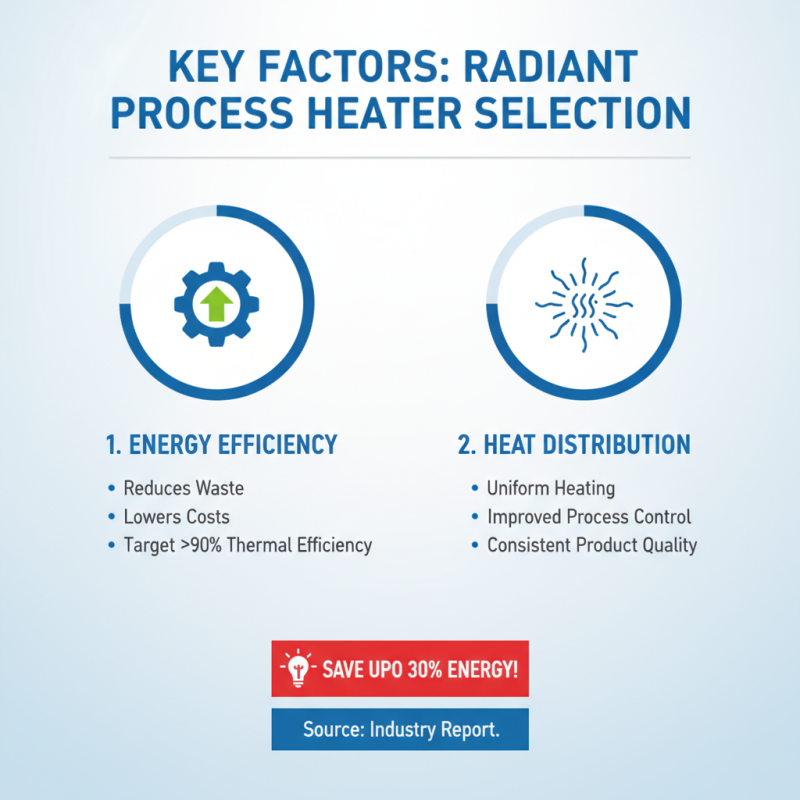
10 Essential Tips for Choosing a Radiant Process Heater for Your Needs
When selecting a Radiant Process Heater, it's crucial to understand the importance of heat management in industrial applications. According to a recent report by the U.S. Department of Energy, over 30% of industrial energy use is spent on heating processes. This staggering statistic highlights the need for efficient heating solutions that can improve productivity while reducing costs.
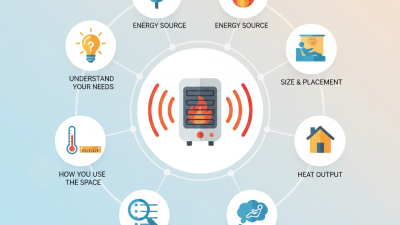
Choosing the right Radiant Process Heater is not simple. Factors such as heating capacity, energy efficiency, and installation requirements should be carefully considered. A study published in the Journal of Cleaner Production revealed that using energy-efficient heaters can lead to savings of up to 15% in energy costs. With numerous options on the market, making an informed decision is essential.
Yet, many industries still face challenges when optimizing their heating systems. Common mistakes include underestimating required heat outputs and overlooking the quality of materials. These oversights can lead to decreased performance and increased waste. By focusing on expert advice and industry standards, companies can find the right Radiant Process Heater to meet their unique needs.
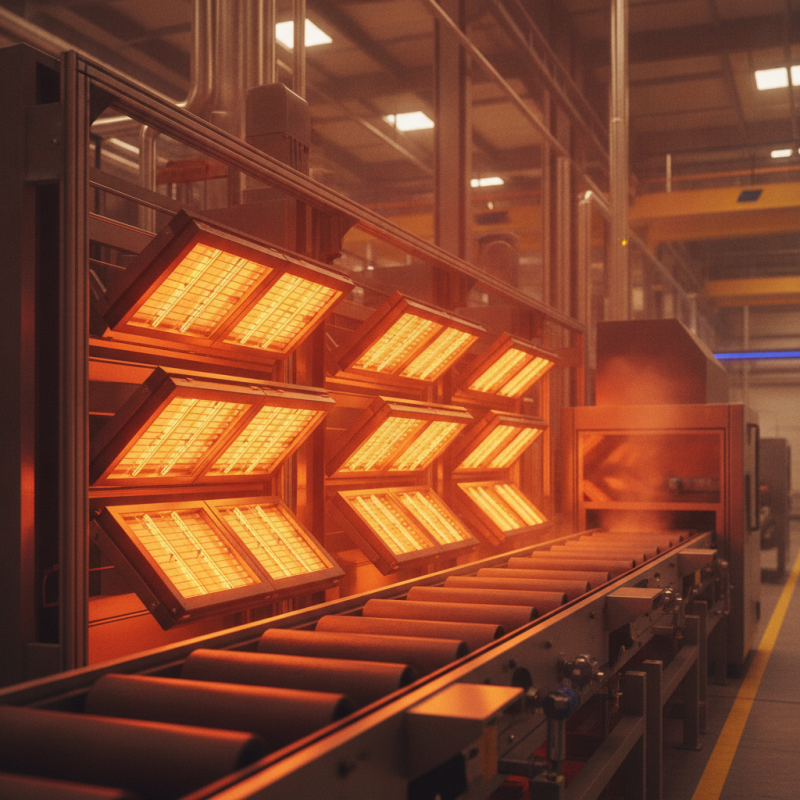
Understanding the Basics of Radiant Process Heaters
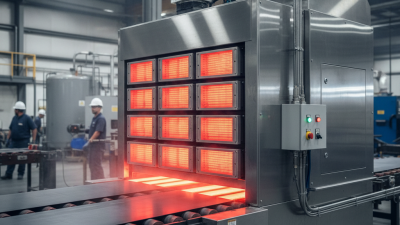
When selecting a radiant process heater, understanding the basics is essential. Radiant heaters transfer heat directly to surfaces via infrared radiation. This method can be more energy-efficient compared to traditional convective heating. According to a 2022 report from the Industrial Heating Association, radiant heaters can reduce energy consumption by up to 30% depending on the application.
Radiant process heaters are commonly used in various industries, including manufacturing, food processing, and chemical production. They provide rapid heat-up times, which can significantly improve production efficiency. However, the selection process often involves weighing the specific needs of the application against potential drawbacks. For instance, radiant heaters may not be suitable for environments with high dust or moisture, as these factors can affect efficiency.
Many professionals suggest evaluating the installation footprint and local code compliance before making a decision. Studies indicate that improper installation can lead to energy loss and safety issues. Working with knowledgeable professionals is crucial to ensure that the chosen system meets both operational and regulatory requirements. By diving deeper into the characteristics of radiant heaters, users can make more informed decisions tailored to their unique needs.
Comparing Different Types of Radiant Heaters for Industrial Use
When choosing a radiant heater for industrial use, understanding the different types available is crucial. There are electric and gas-fueled options. Each comes with unique benefits and drawbacks. Electric heaters provide precise temperature control. They’re often cleaner and easier to install. However, they may have higher energy costs in large-scale operations.
Gas radiant heaters, on the other hand, can be more cost-effective for larger spaces. They deliver intense heat and work well in outdoor environments. However, they require proper ventilation. This adds complexity to the installation and increases associated costs. Consider your space’s size and usage too. Some heaters might not perform effectively in an unfinished space.
Evaluating efficiency ratings is vital. Look for heaters that offer adjustable settings. This flexibility can improve overall performance. Also, warranty options are significant. They reflect the manufacturer’s confidence in their product. When scrutinizing these choices, don’t ignore your budget. Sometimes, a higher upfront cost leads to savings in maintenance and energy bills over time.
Evaluating Energy Efficiency and Cost-Effectiveness in Heaters
When selecting a radiant process heater, energy efficiency and cost-effectiveness are crucial factors. According to a report by the U.S. Department of Energy, heating accounts for about 29% of total energy use in industrial facilities. That is a significant number, highlighting the importance of choosing the right heater. An efficient heater can reduce energy consumption by up to 30%, leading to lower utility bills and decreased greenhouse gas emissions.
Heat loss is often an overlooked issue. Insulation plays a vital role in enhancing efficiency. A study from the American Society of Mechanical Engineers found that poor insulation can lead to efficiency losses of around 25%. Regular maintenance can help mitigate these losses. It’s advisable to have a professional conduct annual inspections to ensure optimal performance. Investing in energy-efficient models may require higher initial costs but could lead to substantial savings over time.
Analyzing overall lifetime costs is another critical aspect. A heater with a lower upfront price might end up being costlier in the long run due to higher operational expenses. The Energy Information Administration suggests examining the total cost of ownership over the heater's lifespan. This includes installation, maintenance, and energy consumption. Making informed choices will ultimately lead to better outcomes, ensuring long-term efficiency and savings.
10 Essential Tips for Choosing a Radiant Process Heater for Your Needs
| Tip Number |
Tip Description |
Energy Efficiency Rating |
Cost-Effectiveness |
| 1 |
Assess Your Heating Needs |
High |
High |
| 2 |
Check Energy Source Options |
Moderate |
Moderate |
| 3 |
Evaluate Efficiency Ratings |
Very High |
High |
| 4 |
Consider Initial and Operating Costs |
Moderate |
Very High |
| 5 |
Look for Advanced Features |
High |
Moderate |
| 6 |
Determine Space Requirements |
Moderate |
High |
| 7 |
Read Reviews and Testimonials |
N/A |
N/A |
| 8 |
Consult with Experts |
N/A |
N/A |
| 9 |
Review Warranty Options |
N/A |
N/A |
| 10 |
Make Informed Decision |
N/A |
N/A |
Safety Standards and Regulations for Radiant Process Heaters
When selecting a radiant process heater, safety standards and regulations are crucial. These guidelines ensure the equipment operates effectively while minimizing risks. Compliance with local safety regulations can prevent accidents and injuries. It's vital to stay updated on the latest codes related to pressure vessels and electrical connections.
An example to consider is the National Fire Protection Association (NFPA) standards. They outline specific requirements for design and installation, which vary from one region to another. Each facility might face unique challenges, making it necessary to conduct thorough assessments. Adhering to established safety protocols is not just a requirement; it demonstrates responsibility and care for your personnel.
Without proper safety measures, the risk of malfunctions or accidents increases. Regular audits and inspections are essential in maintaining compliance. Documentation of these inspections builds a reliable safety record. Each heater must meet specific performance standards, providing a reliable energy source. Balancing efficiency with adherence to safety regulations can be challenging but is essential for operational success.
Radiant Process Heater Efficiency Ratings