What Are Heating Air Systems and How Do They Work?
Heating Air Systems keep indoor spaces warm by moving conditioned air through a building. They appear in homes, offices, schools, and light commercial properties. A typical system includes a heat source, blower, filter, thermostat, ductwork, and supply registers. Each component has a practical role. Air moves.
When the thermostat detects a temperature drop, it signals the heating equipment to operate. The heat source may use gas, electricity, a heat pump, or another approved method. The blower then pushes warmed air through supply ducts. Cooler indoor air returns through separate grilles, passes through the filter, and begins the cycle again. That circulation affects comfort, energy use, and indoor air quality. A blocked filter can restrict airflow. Poorly sealed ducts may waste heat inside walls, attics, or crawlspaces. Small faults can become expensive problems.
Understanding Heating Air Systems requires more than memorizing component names. A trained HVAC professional considers equipment size, insulation, duct design, ventilation, humidity, and local safety requirements. Manufacturer instructions and regular inspections provide stronger guidance than online guesses. In my experience, unusual noises, uneven temperatures, weak airflow, or repeated cycling deserve prompt attention. Still, no general explanation fits every building. Older systems may behave differently. Modern controls can also hide a developing fault. This guide will explain how the main parts work together, what users can observe safely, and where professional testing becomes necessary. It may not answer every question. That limitation matters.
What Heating Air Systems Are and What They Include
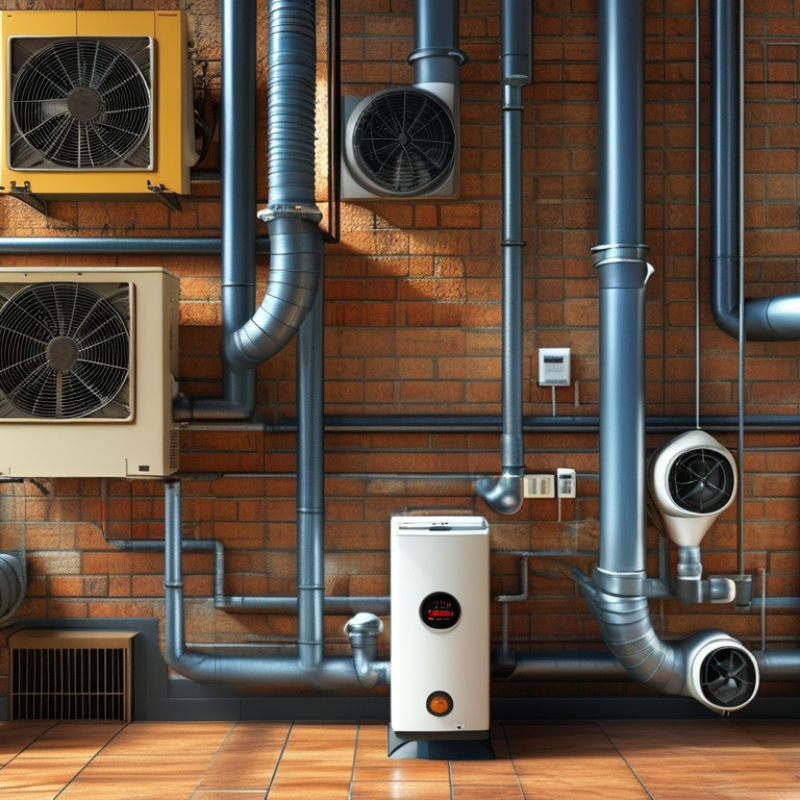
Heating air systems warm indoor spaces by moving heated air through a network of ducts. A typical system includes a heat source, blower, air filter, thermostat, supply vents, and return vents. The heat source may use electricity, gas, or another approved energy method. The blower pushes warmed air into rooms, while return vents carry cooler air back for reheating.
Inside the system, the thermostat measures room temperature and signals the equipment to operate. The filter catches dust before air reaches the blower and heating components. Ductwork then guides air through ceilings, walls, or floors. Poorly sealed ducts can waste heat, even when the main equipment works correctly. Real houses are rarely balanced perfectly. One bedroom may feel warmer than the hallway because of sunlight, insulation, or restricted airflow.
Tips:
Replace or clean the filter according to its condition, not only the calendar. Keep supply vents open and avoid covering them with furniture or rugs. Listen for rattling, burning smells, or repeated cycling. These details can reveal airflow or equipment problems early. A qualified technician should inspect combustion equipment, electrical connections, and ventilation. Local safety requirements matter, especially where fuel-burning components are installed. Temperature readings also help: place a small thermometer near a vent and compare it with the thermostat. The results may not match, and that mismatch deserves attention.
How Heating Air Systems Generate and Transfer Heat
What Are Heating Air Systems and How Do They Work?
Heating air systems warm indoor air and move it through a building. A thermostat senses room temperature and signals the heating equipment. In a furnace, fuel burns inside a sealed chamber. The flame heats a metal heat exchanger. Indoor air passes across its surface, without mixing with combustion gases. An electric heater uses resistance coils instead. A heat pump works differently. It moves heat from outdoor air through a refrigerant cycle. Even cool outdoor air contains usable thermal energy.
The blower pulls cooler air through return grilles and a filter. The filter catches dust before air reaches the heating section.
Warm air then travels through supply ducts and leaves at floor or wall registers. Duct insulation helps reduce heat loss in unheated spaces. Sealed connections also improve delivery. Small gaps matter.
A useful field observation is that uneven room temperatures often indicate airflow problems, not weak heating equipment. Blocked registers, dirty filters, or undersized ducts can restrict circulation. The system may run longer while some rooms remain chilly.
A clean diagram can hide these practical imperfections. Heat transfer is never perfectly efficient, and building age, insulation, and air leakage change performance. Technicians should measure temperature differences, airflow, and safety controls instead of relying only on sound.
One detail is easy to overlook: proper ventilation and exhaust separation protect indoor air quality when combustion equipment operates.
How Air Moves Through the Heating Process
Heating air systems warm indoor spaces by moving air through a controlled circuit. A return grille draws cooler room air into the system. The air passes through a filter, then reaches a heat exchanger or electric heating element. A blower pushes the warmed air into supply ducts. Registers release it near floors, walls, or ceilings.
The U.S. Department of Energy reports that poorly sealed or insulated ducts can waste 20% to 30% of heating and cooling energy, especially in unconditioned areas. That loss is easy to picture: warm air leaks into a cold attic before reaching the bedroom. In field inspections, technicians often find crushed flexible ducts, blocked filters, and closed registers. Each problem changes airflow and increases blower effort. The room may feel cold, even when the heater runs normally.
A thermostat measures room temperature and signals the heating equipment. Once the target temperature is reached, the heating cycle stops. Some systems also mix outdoor air to support indoor air quality, following ventilation guidance in the ASHRAE Handbook. The process is not perfectly uniform. A long duct run may deliver less heat than a nearby register. That matters. Air balancing, filter maintenance, and duct sealing can improve comfort and reduce wasted energy. However, airflow readings should be checked professionally, because a quiet system is not always an efficient one.
What Controls Heating Air System Operation
Heating air systems rely on several controls to decide when, how, and where warm air moves. The thermostat is usually the user’s main contact point. It measures room temperature and compares it with the selected setting. When the room becomes too cool, it sends a signal to the control board. That board coordinates the heating cycle, fan, ignition, and safety checks.
Sensors provide the system with constant feedback. A temperature sensor monitors supply air and helps prevent overheating. A flame sensor confirms safe combustion in fuel-powered equipment.
Pressure switches check whether exhaust gases and airflow move correctly. Limit switches can stop operation when internal temperatures rise too far. These parts work quietly, but a small sensor fault can cause repeated shutdowns or uneven heating.
Airflow controls also affect comfort and efficiency. The blower motor adjusts air movement, while dampers can direct warm air toward different rooms. Dirty filters, blocked vents, or closed registers make the system work harder.
In practice, controls do not always respond perfectly. A thermostat near a sunny window may read warmer than the rest of the room. That detail can mislead the entire system.
Regular professional testing should include wiring, sensors, safety switches, airflow, and temperature readings. Never bypass a safety control, even briefly.
How Different Heating Air Systems Compare
What Are Heating Air Systems and How Do They Work?
Heating air systems move warmth through a building, usually with ducts, vents, and a central heat source. A furnace heats air over a combustion chamber or electric element. A blower then pushes that air through metal or insulated ductwork. Heat pumps work differently. They transfer outdoor heat indoors, even during cool weather, using a refrigerant cycle.
How Different Heating Air Systems Compare
Furnaces usually deliver strong airflow and quick temperature changes. However, combustion models need safe venting, carbon monoxide controls, and regular inspections. Heat pumps often use less electricity for heating.
The U.S. Department of Energy reports that properly installed heat pumps can deliver two to four times more heating energy than the electricity they consume. Cold-climate performance still depends on design, insulation, and outdoor temperature.
Electric resistance heaters are simple and inexpensive to install. They can feel warm quickly. Their operating costs may rise sharply in poorly insulated rooms.
The International Energy Agency reports that heat pumps are typically three to five times more energy-efficient than gas boilers. That comparison is useful, but not perfect. Local electricity prices and fuel rates can change the result.
Space heating accounted for about 42% of residential energy use in the U.S., according to the Energy Information Administration’s 2020 Residential Energy Consumption Survey.
In practice, a technician should check airflow, filter pressure, duct leakage, and room temperature differences. A warm vent does not prove an efficient system. A forgotten return grille can quietly reduce comfort and increase fan energy.