What are Heating Cables and How Do They Work?
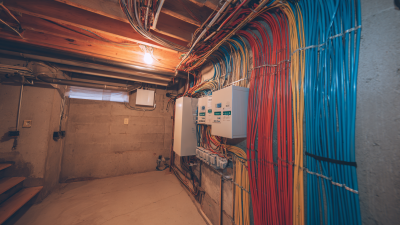
Heating cables are an innovative solution for managing temperature in various settings. They consist of insulated wires that generate heat when electric current flows through them. These cables are particularly useful in cold environments, where maintaining warmth is crucial. Homeowners and businesses alike benefit from their flexibility and efficiency.
In essence, heating cables include two main types: self-regulating and constant wattage. Self-regulating cables adjust their heat output based on surrounding temperatures, making them energy-efficient. Constant wattage cables provide a consistent level of heat, which is ideal for specific applications, such as roof snow melting or pipe freeze protection. Both options have unique advantages, but they require careful consideration for optimal use.
While heating cables can dramatically improve comfort and safety, some challenges exist. The initial installation can be complex and may require professional assistance. Moreover, improper use can lead to overheating or inefficiency. A thoughtful approach is vital to utilize heating cables effectively. Users must weigh the benefits against potential pitfalls to ensure reliable performance.
What Are Heating Cables?
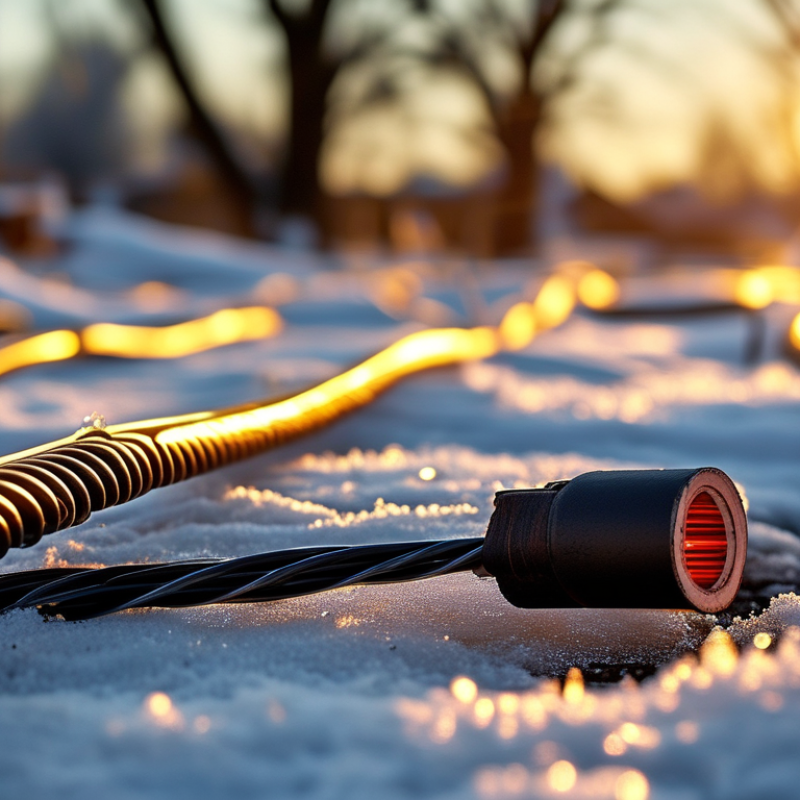
Heating cables are electrical devices designed to provide warmth in areas that require temperature regulation. They come in various forms, including self-regulating and constant wattage systems. In essence, heating cables generate heat when electrical current flows through them. This heat can be used for melting snow on driveways or keeping floors warm in cold climates.
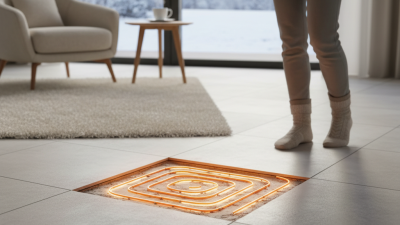
The construction of heating cables typically involves insulated wires that prevent overheating. They are installed beneath surfaces like tiles or concrete. The installation requires careful planning to ensure even heat distribution. Some users might encounter challenges, like uneven heating or installation mishaps. It’s important to consult with professionals for effective deployment.
While heating cables can be efficient, they have limitations. For instance, homeowners may not realize the energy costs associated with prolonged use. Regular checks and maintenance can prevent issues and optimize performance. Balancing effectiveness and efficiency is key to leveraging heating cables.
Types of Heating Cables and Their Applications
Heating cables are an essential component for various heating applications. They come in different types, each serving specific needs. One common type is the self-regulating heating cable. This type adjusts its heat output based on temperature changes in the surrounding environment. It’s ideal for freeze protection in pipes. Another type is the constant wattage heating cable. This provides consistent heat along its length and is often used for roof and gutter de-icing.
In industrial settings, heating cables are crucial for various processes. They prevent condensation in electrical enclosures and maintain optimal temperatures for materials. For residential use, they can be installed under flooring to create warm surfaces. The installation of heating cables should be done carefully, considering both efficiency and safety.
When choosing heating cables, keep in mind the intended application. Evaluate the temperature requirements and environmental conditions. Proper installation is vital for optimal performance. Explore various options to find the best fit for your needs. Think about energy efficiency; this contributes to lower utility bills. Regular inspection of heating cables ensures longevity, reducing unexpected costs over time.
How Heating Cables Generate Heat
Heating cables have become essential for various applications, especially in colder climates. These cables generate heat through electrical resistance. When the current flows through the wire, it encounters resistance, which in turn produces heat. This principle can be observed in everyday devices, like toasters or hair dryers. The heat generated warms up the surrounding area effectively.
The installation of heating cables can be straightforward, but they require careful planning. It's crucial to determine the correct spacing and length to optimize heat distribution. If installed incorrectly, some areas may overheat while others remain cold. This inconsistency can lead to discomfort and wasted energy. Safety considerations are also vital during installation. Cables should not be damaged or exposed to moisture without proper insulation.
Moreover, maintenance of heating cables can pose challenges. Over time, insulation may wear out, making cables less effective. Routine checks are necessary to ensure functionality. Users might overlook these aspects, thinking the system will operate efficiently indefinitely. A little awareness can go a long way in making heating cables reliable and efficient for long-term use.
Installation Process for Heating Cables
Heating cables provide an efficient way to manage temperature in various applications. Their installation must be done carefully to ensure effectiveness. The process typically starts with assessing the specific area where the cables will be laid. This can include floors, roofs, or pipes, where preventing ice buildup or ensuring warmth is crucial. According to a report from the Electric Power Research Institute, properly installed heating cables can reduce energy costs by up to 30%.
The installation involves several steps. First, the surface must be cleaned and prepared correctly to allow for optimal adhesion and heat distribution. Next, the heating cables are laid out, ensuring they are evenly spaced. Overlapping cables can lead to overheating, which poses safety risks. After positioning, they are secured in place, often with insulation materials to enhance efficiency. This can be a meticulous process, as each cable runs a risk if not placed accurately. Proper planning and alignment are essential to avoid issues later on.
Once installed, it is crucial to regularly maintain the heating cables. Inspections can catch potential problems early, preventing costly repairs. Reports have indicated that regular maintenance can extend the lifespan of heating systems by up to 40%. Neglecting these aspects can lead to more serious issues down the road. Monitoring for wear and tear helps ensure that the system works effectively, maintaining the intended temperature control.
Safety Considerations and Maintenance for Heating Cables
When using heating cables, safety should be your top priority. Ensure proper installation to avoid electrical hazards. Cables must be laid out correctly, following spacing guidelines. Overlapping cables can elevate temperatures, leading to potential meltdowns. Inspect connections regularly. Loose wires can spark fires.
Maintenance is crucial for long-lasting performance. Schedule periodic checks. Look for signs of wear, such as frayed insulation or unusual heat spots. If you notice any discrepancies, address them immediately. Keep the area around heating cables free from debris. This reduces the risk of overheating.
User education is key. Understanding how heating cables operate can prevent accidents. Even experienced homeowners may overlook small details. Regular reviews and adjustments ensure the system remains effective and safe. While heating cables are generally reliable, vigilance is essential. Familiarize yourself thoroughly with the system to maximize its benefits.
What are Heating Cables and How Do They Work? - Safety Considerations and Maintenance for Heating Cables
| Dimension |
Description |
Safety Considerations |
Maintenance Tips |
| Length |
Typically ranges from 10 ft to 100 ft depending on the application. |
Ensure proper installation to avoid overheating and short circuits. |
Inspect cables for damage before use. |
| Power Output |
Common outputs are 10W to 25W per meter. |
Use appropriate power sources to match output ratings. |
Regularly check connections and power supply reliability. |
| Installation Location |
Can be installed in floors, roofs, or pipes to prevent freezing. |
Avoid installing in areas exposed to water unless rated for wet conditions. |
Follow manufacturer guidelines for installation environments. |
| Material |
Typically made from durable rubber or PVC with a copper conductor. |
Ensure materials are UV resistant if installed outdoors. |
Clean surfaces to avoid debris build-up over time. |