Leave Your Message

7 Tips to Choose the Best Cast Aluminum Heater?

Choosing the best heater is not only about comparing prices or selecting the highest wattage. The right choice depends on room size, insulation, climate, safety features, and daily heating habits. A Cast Aluminum Heater can provide steady warmth because aluminum retains and distributes heat differently from lighter materials. Its solid body may also support long-term use when designed and maintained properly. Still, material alone cannot guarantee performance. Real homes are messier than brochures.

This guide introduces seven practical tips for making a more informed decision. You will learn how to match wattage with room dimensions, inspect thermostat accuracy, and evaluate energy consumption. Pay attention to surface temperature, overheat protection, timer controls, and the heater’s placement requirements. In damp areas, verify the appropriate protection rating and follow the manufacturer’s instructions. Independent test reports, clear warranty terms, and responsive technical support can reveal more than attractive packaging. A warm showroom is not proof.

No single model suits every household. A poorly insulated living room may need a different solution from a compact bedroom or home office. Noise levels, control simplicity, portability, and cleaning access also affect everyday satisfaction. The cheapest option can create frustration through uneven heating or unreliable controls, while the most expensive model may offer features you never use. Careful comparison matters. Some judgments remain subjective. That matters too. Use measurable specifications, realistic expectations, and trusted product information before buying. A thoughtful decision should deliver comfortable warmth without unnecessary cost or safety concerns.
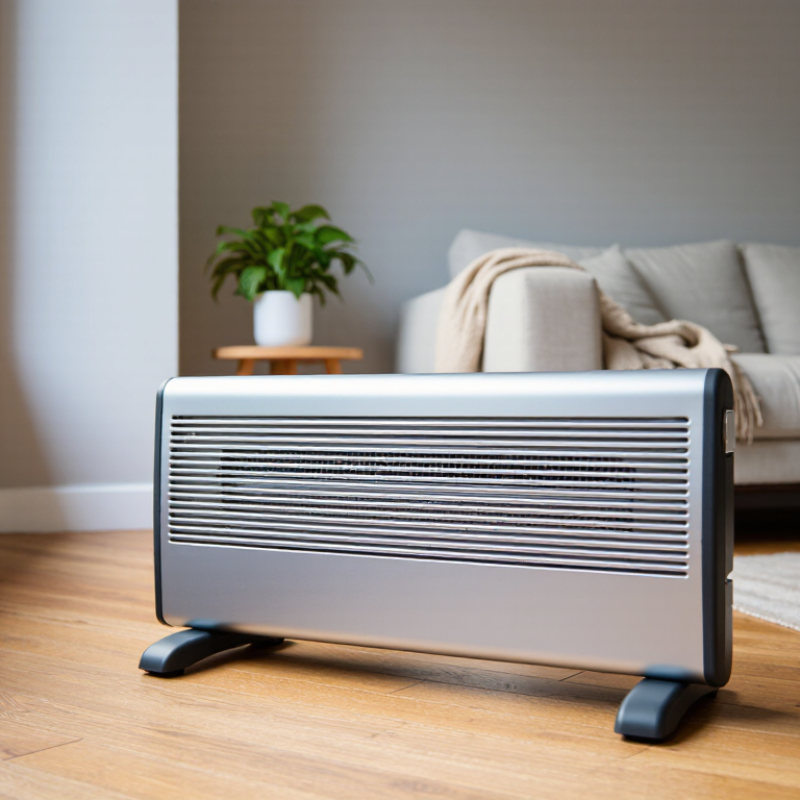
7 Tips to Choose the Best Cast Aluminum Heater?

Define Your Heating Needs and Room Requirements

7 Tips to Choose the Best Cast Aluminum Heater

Tip 1: Define the room before comparing heater models.

Measure its length, width, and ceiling height. A cold, poorly insulated room needs more heating capacity than a compact bedroom. Note drafty windows, exterior walls, and tile floors. These details change comfort.

Tip 2: Match heat output to actual demand.

Do not choose by appearance alone. Check the rated wattage and recommended room size from reliable technical specifications. In my experience, selecting a unit that is too small causes constant operation and uneven warmth. Oversizing can waste energy and create uncomfortable heat near the heater. I have made that mistake before.

Tip 3: Consider daily use and placement.

Cast aluminum retains heat well, but the surrounding space still matters. Keep curtains, furniture, and clothing away from the heater. Leave clear airflow around it. A wall near a window may reduce cold drafts, while a blocked corner can limit performance. Think about control accuracy, timer functions, and noise levels. Quiet matters at night.

Tip 4: Check the room’s electrical requirements carefully.

Confirm voltage, plug compatibility, circuit capacity, and installation guidance. Wet areas require extra caution and appropriate protection. Ask a qualified electrician when the instructions are unclear. Product safety certification should come from a recognized testing authority.

Tip 5: Reflect on your habits.

Do you heat one room briefly or several rooms for hours? That answer affects the best size, controls, and running cost. A lower purchase price is not always the cheaper choice. Estimate energy use from the rated power and your local electricity rate. Recheck your assumptions.
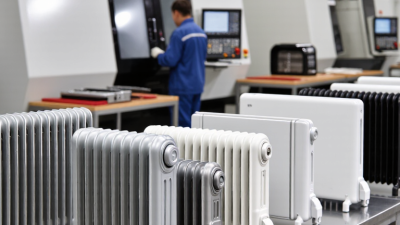

Check Cast Aluminum Quality, Design, and Heat Distribution

Tip 1: Check the cast aluminum quality before admiring the finish. Look for even wall thickness, clean joints, and no pinholes. Porosity can weaken the body and create uneven heating. Ask for alloy details, pressure-test records, and electrical safety documentation. A glossy coating can hide poor casting, so inspect the edges and mounting points carefully.

Tip 2: Judge the design by how heat moves through the room. Aluminum conducts heat at roughly 205 W/m·K, while common steel is near 50 W/m·K, according to engineering material data. However, conductivity alone does not guarantee comfort. Wider fins, open spacing, and balanced element placement help warm air circulate naturally. No heater distributes heat perfectly. Room insulation still matters.

The U.S. Energy Information Administration’s 2020 Residential Energy Consumption Survey found that space heating used about 42% of household site energy. This makes control quality important. Choose accurate thermostatic control, adjustable output, and clear temperature settings. The International Energy Agency’s Buildings 2023 report also identifies buildings as responsible for about 30% of global final energy use. Small control errors can become expensive over a long winter.

Tip 3: Test the practical details. The heater should feel solid, stand level, and remain stable during operation. Check cable routing, surface temperature, and cleaning access. I would not rely on marketing claims alone. Compare measured warm-up time, heat distribution, and standby behavior under similar room conditions. A slightly imperfect review is useful; real rooms rarely match laboratory tests.

Compare Energy Efficiency, Power Ratings, and Operating Costs

7 Tips to Choose the Best Cast Aluminum Heater

Compare energy efficiency before comparing purchase prices. Cast aluminum retains heat well, but that does not guarantee lower electricity use. Check the heater’s wattage and estimate daily consumption with this formula: watts ÷ 1,000 × operating hours × local electricity rate. Use the rated power as a starting point, not a promise. A 1,500-watt heater running four hours uses about 6 kilowatt-hours. Measure the room carefully.

Match the power rating to the space, insulation, ceiling height, and outdoor temperature. An undersized heater may run constantly, while an oversized model can cycle frequently. Both choices may waste energy. Look for an accurate thermostat, multiple power settings, and a timer. These controls reduce unnecessary heating. Choose a model with reliable safety certification and clear technical documentation. Check the actual electrical circuit capacity too. Convenience matters.

Operating cost depends heavily on heat loss. Seal drafts around windows and doors before upgrading the heater. Keep furniture away from the aluminum surface, allowing heat to circulate evenly. My own estimates have sometimes been too optimistic because real rooms lose heat differently. Track energy use with a plug-in meter for several days. Compare the measured cost with the manufacturer’s figures. Then consider warranty terms, repair access, and expected service life, not only the initial price.

7 Tips to Choose the Best Cast Aluminum Heater
Compare Energy Efficiency, Power Ratings, and Operating Costs
Tip What to Compare Practical Benchmark Why It Matters Estimated Operating Cost*
1. Match wattage to the room Rated power and room size 500 W for approximately 50–80 sq. ft.; 1,000 W for approximately 100–160 sq. ft.; 1,500 W for approximately 150–240 sq. ft. These ranges vary with insulation, ceiling height, windows, and climate. An undersized heater may run continuously, while an oversized heater can increase purchase and operating costs without improving comfort proportionally. At 6 hours per day and $0.16/kWh: 500 W = $14.40/month; 1,000 W = $28.80/month; 1,500 W = $43.20/month when running at full output.
2. Check energy efficiency correctly Electrical input versus heat output Electric resistance heaters convert nearly 100% of their consumed electricity into heat at the point of use. A 1,500 W heater produces about 5,118 Btu/h while energized. Cast aluminum improves heat distribution and thermal stability, but it does not make resistance heating exceed its electrical energy input. Compare actual kWh consumption rather than relying only on terms such as “energy-saving” or “high efficiency.”
3. Evaluate thermostat accuracy Thermostat type, temperature control, and cycling behavior Prefer an adjustable electronic thermostat with a clear temperature display and a narrow control range. A programmable schedule can reduce unnecessary heating during sleeping or unoccupied periods. The thermostat determines how long the heating element operates. Better control can reduce run time while maintaining a more consistent room temperature. Actual cost is often lower than the full-output estimate because the thermostat cycles the heater off after reaching the set temperature.
4. Consider cast aluminum heat retention Thermal mass, surface temperature, and heat distribution Cast aluminum generally distributes heat evenly and continues releasing some stored heat after the element switches off. It usually heats and cools more gradually than a lightweight metal enclosure. Gradual heat release can improve comfort and reduce temperature swings, but stored heat is not free energy; it comes from electricity previously consumed. Potential savings depend mainly on thermostat settings, insulation, and operating time—not on the aluminum body alone.
5. Calculate running cost before buying Power rating, daily hours, and electricity tariff Formula: Cost = Power in kW × Hours per day × Days × Electricity price per kWh. The wattage label gives the maximum electrical demand, while the thermostat determines the percentage of time that demand is actually used. For 1,500 W operated 6 hours daily for 30 days at $0.16/kWh: 1.5 × 6 × 30 × $0.16 = $43.20 before thermostat cycling.
6. Verify electrical and safety requirements Voltage, current, plug type, overheating protection, and installation clearance At 120 V, a 1,500 W heater draws approximately 12.5 A; a 2,000 W heater draws approximately 16.7 A. At 230 V, the same heaters draw approximately 6.5 A and 8.7 A. The circuit must safely support the heater. Look for overheat protection, tip-over protection where applicable, a suitable plug, and clear installation instructions. Safety features do not directly reduce wattage, but they help prevent damage caused by blocked airflow, overheating, or incorrect installation.
7. Compare control features and total value Timer, programmable operation, remote control, noise level, warranty, and serviceability Useful features include a 24-hour timer, open-window detection, child lock, low standby consumption, quiet operation, and accessible replacement controls. A heater that is easy to schedule and maintain can provide better comfort and reduce wasted operating hours over its service life. Compare purchase price plus estimated electricity use, installation, and maintenance. A lower upfront price may not be the lowest total-cost option.
*Cost assumptions: Estimates use a $0.16 per kWh electricity rate, 6 hours of operation per day, and 30 days per month. Actual costs vary by local tariff, room insulation, outdoor temperature, thermostat cycling, voltage, and usage pattern. A wattage conversion of 1 W = approximately 3.412 Btu/h is used for heat-output comparisons.

Evaluate Safety Features, Controls, Installation, and Maintenance

7 Tips to Choose the Best Cast Aluminum Heater

Safety deserves more attention than surface temperature. NFPA’s Home Heating Fires report, covering 2016–2020, recorded about 44,210 home heating fires annually in the United States. Choose a cast aluminum heater with overheat protection, tip-over shutoff, and a visible power indicator. A cool-touch housing helps, but it does not replace supervision. Keep at least three feet from curtains, bedding, and furniture. That clearance matters.

Examine the controls closely. A precise thermostat reduces temperature swings, while a timer prevents unnecessary overnight operation. ENERGY STAR reports that certified smart thermostats can save users about 8% on heating and cooling bills, although actual savings depend on insulation and habits. Some product claims feel too optimistic. Check the rated wattage, circuit capacity, and energy data instead. A simple control panel may be safer than a complicated one.

Installation should follow the manual and local electrical rules. Never hide the cord beneath rugs or use a damaged extension lead. For fixed units, a qualified electrician should verify grounding, circuit loading, and wall clearances. During maintenance, vacuum dust from the fins, inspect the plug, and test residual-current protection where installed. NFPA identifies heating equipment as a major contributor to home fire risk. I would still recheck every measurement; one overlooked clearance can undermine an otherwise excellent heater.

Review Durability, Warranty Coverage, and Overall Value

7 Tips to Choose the Best Cast Aluminum Heater

When comparing cast aluminum heaters, inspect the body before trusting the price. Look for even casting, smooth edges, and a finish without bubbles or thin patches. These details can reveal poor manufacturing. Check whether the heating elements sit firmly inside the panels. Loose parts may create noise, uneven warmth, or early failure. Ask about corrosion resistance, especially for damp rooms or coastal homes. Cast aluminum usually transfers heat efficiently, but poor seals can reduce its practical value.

Warranty coverage deserves close attention. A long warranty sounds reassuring, yet its exclusions matter more. Confirm coverage for heating elements, controls, labor, and replacement parts. Check whether shipping costs are included. Some policies require registration within a short period. Others exclude damage caused by voltage changes, incorrect installation, or moisture. Keep the invoice and installation records. They may be essential during a claim. Read the actual terms, not only the sales summary.

Overall value includes more than the purchase price. Compare heat output, thermostat accuracy, controls, installation costs, and expected maintenance. A cheaper heater may need parts sooner. An expensive model may waste money if its warranty is restrictive. I once treated a long warranty as proof of quality, but that assumption was too simple. Review independent testing, technical specifications, and user reports from several sources. No checklist is perfect. Still, careful comparison can expose weak construction and unclear protection before payment.

7 Tips to Choose the Best Cast Aluminum Heater

Use this weighted checklist to compare cast aluminum heaters. Durability, warranty coverage, and overall value receive the greatest weight because they strongly influence long-term ownership cost and reliability.