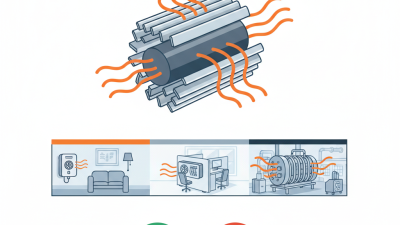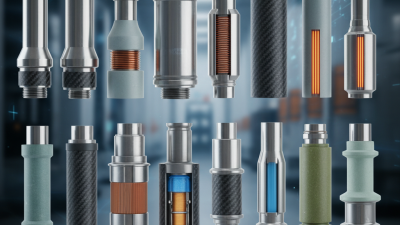
A Finned Heater may look like a simple metal tube with rows of thin fins, but choosing a supplier takes more than comparing catalog prices. Buyers must check wattage, voltage, sheath material, fin spacing, operating temperature, and available certifications. A heater designed for a dry warehouse may perform poorly in a humid process line. Small details matter.
Thermal-systems engineer Alex Morgan puts the selection challenge this way: “A heater is only as dependable as the conditions it was designed to handle.” Buyers should ask suppliers for drawings, material specifications, test records, and clear answers about lead times. Can they customize terminal boxes? Do they explain how airflow affects heat transfer? A polished brochure is not proof.
This guide compares seven suppliers for global buyers. It considers product range, customization, technical support, quality documentation, and export experience. Those factors can reveal meaningful differences, though supplier capabilities change and published claims deserve verification. No single company fits every project. A low quote may hide a long delivery window; a famous brand may not suit a modest order. Ask for references. Check the details. Then compare on equal terms. One limitation remains: without your operating conditions, even a careful shortlist is only a starting point.
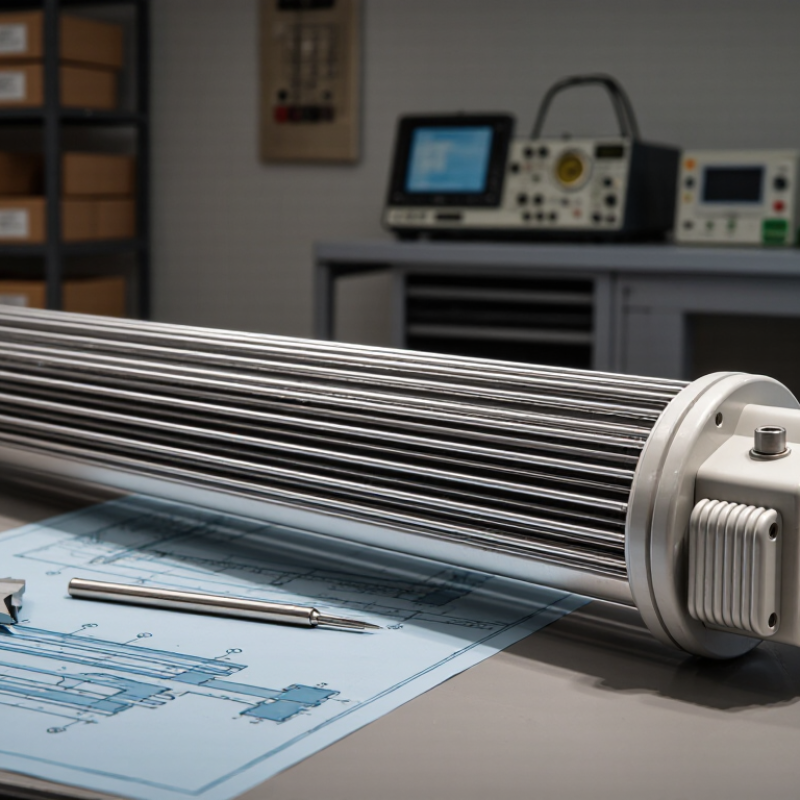
Finned tubular heaters use a metal-sheathed resistance element with closely spaced fins attached along its length. The fins increase surface area, helping transfer heat to moving air. Construction details matter: sheath material, fin spacing, terminal protection, and mounting style should suit the operating temperature and surrounding environment. A supplier’s drawings and material specifications are useful, but check that they match the actual installation.
Airflow is not an afterthought. Air needs room. If a heater sits too close to a duct wall, or airflow passes unevenly across the fins, hot spots can develop. Fan capacity, duct dimensions, and heater watt density all affect performance. In practice, a modest change in airflow can alter outlet temperature more than expected. I would verify the proposed layout against measured airflow, not rely on a neat-looking drawing alone.
These heaters commonly serve industrial air ducts, drying equipment, ovens, and ventilation systems. They can warm process air or help maintain temperature in equipment enclosures. Buyers comparing suppliers should ask about testing, operating limits, connection details, and maintenance access. Dust buildup between fins can reduce heat transfer, so cleaning access deserves attention. It is easy to overlook that during specification—and harder to fix after installation.
Global buyers comparing finned-heater suppliers should treat ISO 9001:2015 as evidence of managed processes, not proof of heater performance. The ISO Survey 2022 recorded approximately 1.26 million ISO 9001 certificates worldwide. That scale shows wide adoption, but certification alone cannot confirm a supplier’s temperature consistency, traceability, or defect controls. Request the certificate’s scope, issuing body, and current validity. Then compare these details with the actual manufacturing site and heater product.
IEC 60519-1:2020 sets general safety requirements for industrial electroheating installations; it is not a blanket supplier certificate. Ask how the supplier applies relevant requirements to your installation. Review risk assessments, wiring diagrams, protective bonding details, overtemperature controls, and test records. Check how the design handles a real operating condition: for example, a blocked airflow path or a loose terminal in a heated enclosure. A polished document can still miss that detail. Independent inspection may help, but it cannot replace clear technical records.
Tips: Ask for sample inspection reports and traceability from alloy batch to finished heater. Confirm who owns design changes. Compare like with like. If a supplier cannot explain a test result plainly, pause and ask again. That small delay is useful.
A useful comparison of seven finned-heater suppliers starts with the job, not a ranking. A broad-line industrial manufacturer may offer tubular, finned, and immersion heaters, with capacity across standard and custom orders. A process-heater specialist often handles higher watt densities and unusual dimensions, but may need longer engineering time. A high-volume producer can ship common sizes quickly; confirm whether its rated output matches your airflow and operating temperature.
A regional export supplier may simplify documentation and freight coordination for nearby markets, while a small-batch workshop can be more flexible on prototypes. An HVAC-focused supplier may cover duct heaters and control accessories, but offer fewer process options. An engineering integrator can combine heaters, sensors, and panels; check who supports each component.
Details matter.
Ask all seven for the same data: kW range, voltage, fin spacing, sheath material, production capacity, lead time, and destinations served. Request a drawing and test records for the exact configuration, not a similar model. Export reach can look impressive on a website, yet service response and spare-part access may be less clear. I would not treat the widest catalog as the safest choice; specifications still need careful review.
A finned heater should match the equipment’s real operating conditions, not just its catalog rating. Confirm the supply voltage, phase, and available current before comparing quotations. A mismatch can cause slow warm-up or overload the circuit. Small details matter. Ask suppliers to state rated voltage and power on the same drawing.
Sheath alloy selection depends on the heated medium, temperature, and exposure to moisture or cleaning chemicals. Stainless steel may suit some environments, but it is not a universal answer. Check material specifications and operating limits. Then review fin pitch against airflow and maintenance needs. Tighter fins can improve heat transfer, yet collect dust more readily and restrict airflow in some systems.
Watt density deserves careful attention. Compare the heater’s output with its active surface area and the material being heated. Excessive local heat can shorten service life or damage temperature-sensitive loads. Request dimensional drawings, tolerances, and test documentation from each supplier. A sample inspection can also confirm fin spacing and sheath finish. These checks take time. They can still miss site-specific conditions, so record actual airflow and temperature before final approval.
Compare these seven application-led specification profiles when evaluating suppliers. They are illustrative design starting points, not supplier-specific products or universal ratings. Confirm the final design against operating conditions, applicable electrical codes, and the manufacturer's thermal calculations.
| Profile | Typical application | Example supply voltage | Suggested sheath alloy | Illustrative fin pitch | Watt-density guidance | Key supplier checks |
|---|---|---|---|---|---|---|
| 1. General-purpose air heating | Ducts and air-handling equipment with clean, dry air | 120, 208, 230, or 240 V AC | 304 stainless steel is a common starting point for relatively mild environments | About 4–6 fins per inch | Set from airflow and allowable sheath temperature; avoid choosing by watt density alone | Ask for airflow assumptions, element temperature limits, and over-temperature protection requirements |
| 2. Commercial building ventilation | Make-up air and HVAC reheat sections | 208, 240, or 277 V AC, depending on the installation | 304 stainless steel for ordinary indoor air; confirm suitability for contaminants and moisture | About 4–6 fins per inch | Size to the specified air volume, temperature rise, and element arrangement | Verify airflow interlocks, staged control compatibility, and required electrical approvals |
| 3. Industrial process-air heating | Process ducts and equipment operating at elevated air temperatures | 230, 400, or 480 V AC, subject to the local supply and system design | Select stainless steel or a nickel-iron-chromium alloy based on temperature and atmosphere | About 4–8 fins per inch; confirm element spacing and airflow distribution | Require a thermal calculation based on air velocity, inlet temperature, and maximum sheath temperature | Request calculated surface loading, temperature limits, and a defined operating envelope |
| 4. Humid or washdown-adjacent air | Air systems exposed to elevated humidity or occasional moisture | 208, 230, 400, or 480 V AC, as required by the site | 316L stainless steel may be considered where corrosion exposure warrants it; verify the specific chemistry | About 4–6 fins per inch, subject to cleanability and airflow needs | Determine from air-side heat transfer and moisture conditions; no single value fits all installations | Check material compatibility, terminal-box protection, drainage, and applicable enclosure ratings |
| 5. Corrosive-process environment | Air containing chemical vapors or other potentially corrosive contaminants | Choose from the available site supply, commonly 230, 400, or 480 V AC in industrial systems | Alloy selection requires the contaminant, concentration, and temperature; 316L or nickel-based alloys may be options, not guarantees | Set to balance heat transfer, pressure drop, and cleaning access | Obtain application-specific thermal and corrosion review before specifying loading | Provide the full gas composition and request written material-compatibility confirmation |
| 6. High-temperature process air | Ovens, dryers, and other controlled hot-air processes | 400 or 480 V AC are common industrial options where available | A high-temperature nickel-iron-chromium alloy may be considered; confirm grade and limits with the manufacturer | About 4–8 fins per inch, subject to temperature, airflow, and element layout | Use manufacturer-calculated loading and sheath temperature for the actual operating cycle | Confirm maximum element temperature, startup behavior, controls, and protection against low airflow |
| 7. Replacement or retrofit project | Existing heater-bank replacement where dimensions and connections must match | Match the measured site supply and existing circuit design; do not infer voltage from appearance | Match the original material only after checking the service environment and failure history | Measure the existing pitch and fin geometry; confirm clearance and airflow direction | Compare rated input and operating conditions; do not assume equal wattage means equal performance | Send drawings, dimensions, nameplate data, wiring details, and operating conditions for review |
Specification note: Fin pitch and watt density are application-dependent design parameters, not universal performance ratings. Voltage availability, alloy suitability, certifications, and permissible sheath temperature vary by market and installation. Obtain a supplier quotation and engineering confirmation for the exact duty.
A reliable finned heater supplier should provide evidence, not just a polished catalogue. Ask for RoHS and REACH documentation relevant to the heater’s materials and intended market. Requirements can differ by application, so confirm which product revision each declaration covers. Keep the model number and document date together.
Testing should match the heater you plan to buy. Request reports for wattage, insulation resistance, dielectric strength, dimensions, and temperature performance. Check that sample results identify the same voltage, fin spacing, and terminal style as your quotation. Generic reports are not enough. Small details matter.
Lead times should separate sample approval, production, and shipping. Ask what happens if a drawing changes or a key material is delayed. Confirm minimum orders for each voltage and configuration; one supplier may quote a low MOQ only for standard designs. That is not enough. Compare the full order conditions. Review warranty length, covered faults, exclusions, and the evidence needed for a claim. A clear written process is more useful than a broad promise, though paperwork can still leave practical questions unanswered.