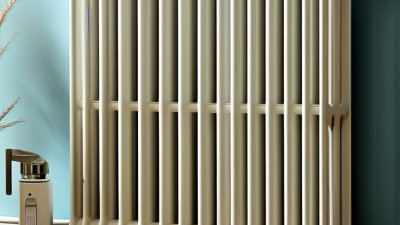
Why Choose Cast Aluminum Heaters for Your Industrial Needs?
In industrial settings, efficient heating solutions are crucial. Cast Aluminum Heaters have gained popularity due to their versatility and effectiveness. Experts in the industry, such as Dr. James Low, emphasize, "Cast Aluminum Heaters offer superior performance and reliability for varied applications." This highlights their growing importance in industrial heating.
These heaters are lightweight and corrosion-resistant, making them ideal for demanding environments. Their design facilitates quick heating, which can enhance productivity. However, it's vital to recognize that not all applications may benefit equally from Cast Aluminum Heaters. Some projects might require alternative heating methods, and understanding these limitations is essential.
Businesses must evaluate their specific needs carefully. While the advantages are clear, over-reliance on any single solution can pose risks. Always consider the broader picture when selecting heating equipment. Ultimately, investing in the right technology can yield substantial benefits—provided decisions are made thoughtfully.
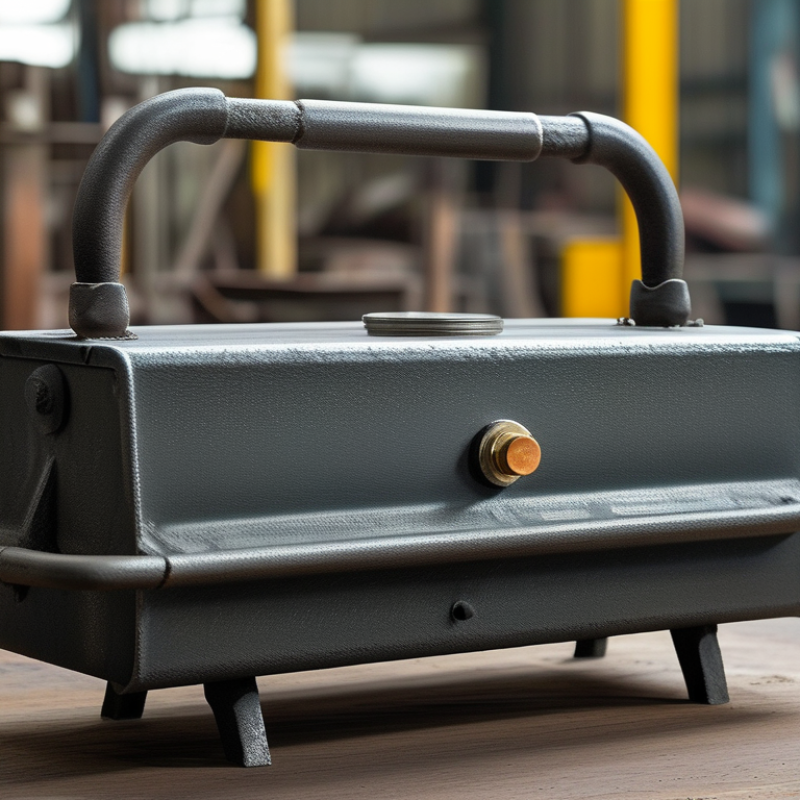
Advantages of Cast Aluminum Heaters in Industrial Applications
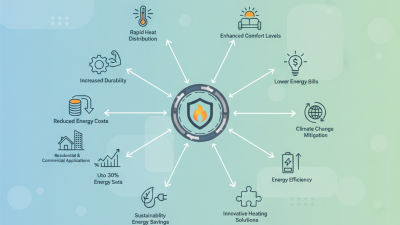
Cast aluminum heaters are increasingly recognized for their efficacy in industrial settings. These heaters offer superior thermal conductivity, which enhances energy efficiency. According to a report from the International Journal of Heat and Mass Transfer, cast aluminum can conduct heat nearly three times better than traditional materials. This property allows industries to achieve optimal heating while minimizing energy consumption.
Moreover, the durability of cast aluminum is notable. Heat resistance and corrosion resistance make it ideal for harsh environments. In fact, studies suggest that cast aluminum heaters have a lifespan that is 30% longer than their steel counterparts. This reliability can reduce maintenance costs significantly for manufacturing facilities. However, it's essential to recognize that not all applications may benefit equally from cast aluminum's advantages.
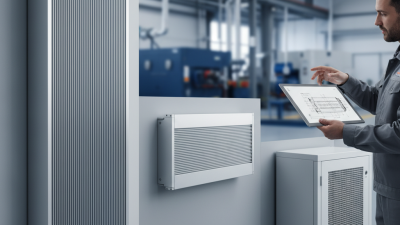
Finally, installation and operational flexibility are key benefits. Cast aluminum heaters are lightweight, which simplifies handling and installation processes. Yet, the initial cost can be a concern for some businesses. Evaluating long-term benefits against upfront expenses is crucial. Incorporating cast aluminum into your heating solutions may depend on specific operational needs and financial assessments.
Why Choose Cast Aluminum Heaters for Your Industrial Needs? - Advantages of Cast Aluminum Heaters in Industrial Applications
| Advantage |
Description |
Application Area |
| High Thermal Conductivity |
Cast aluminum heaters have excellent thermal conductivity, leading to efficient heating. |
Manufacturing, Packaging |
| Lightweight |
Compared to other heater materials, cast aluminum is significantly lighter, allowing easier installation. |
Shipping, Aerospace |
| Durability |
Highly resistant to corrosion and wear, ensuring a long operational lifespan. |
Oil & Gas, Chemical Processing |
| Rapid Heating |
Provides quick heat-up times, minimizing downtime in industrial processes. |
Food Processing, Textile Industry |
| Energy Efficiency |
Designed to operate efficiently, leading to reduced energy costs over time. |
Manufacturing Facilities |
Key Features of Cast Aluminum Heaters for Efficiency and Durability
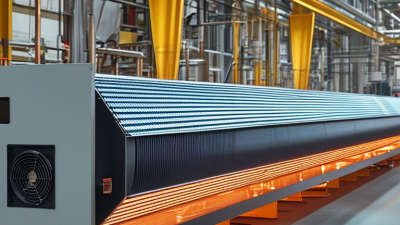
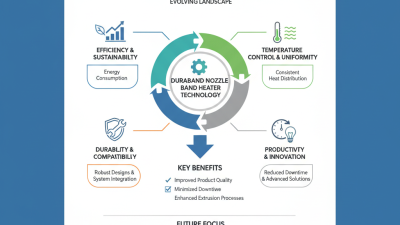
Cast aluminum heaters stand out for their efficiency and durability in industrial applications. These heaters are lightweight yet robust. This balance allows them to heat up rapidly while withstanding harsh environments. The thermal efficiency of cast aluminum is high, minimizing energy costs and reducing waste. This can lead to long-term savings for industries.
One of the key features of cast aluminum heaters is their resistance to corrosion. Unlike other materials, cast aluminum does not rust easily. This property ensures longevity, even in humid or chemically aggressive conditions. Their design often allows for uniform heat distribution, preventing hotspots that can lead to material damage. Regular maintenance can be minimal, but it is essential to ensure optimal performance.
However, not all cast aluminum heaters are created equal. Variations in manufacturing could affect their reliability. It's crucial to consider factors like design specifications and installation practices. Industry professionals should stay informed about advancements in material technology. This knowledge can help in making educated decisions regarding heater selection. A thoughtful approach can lead to improved operational performance and extended equipment life.
Comparative Analysis: Cast Aluminum vs. Other Heater Materials
When it comes to choosing materials for industrial heaters, cast aluminum stands out in several key aspects. In a recent industry report, it was noted that cast aluminum heaters provide superior thermal conductivity compared to stainless steel and plastic alternatives. This means that they can heat up quickly and maintain consistent temperatures, critical for processes requiring precision.
While stainless steel heaters are known for their durability, they require more energy to reach the same temperature as cast aluminum. This inefficiency could lead to increased operational costs over time. Additionally, plastic materials may not withstand high temperatures, limiting their applications significantly.
Cast aluminum's lightweight nature simplifies handling, yet it offers a robust resistance to corrosion. According to industry analyses, corrosion can lead to a 20% reduction in efficiency for traditional heater materials. Therefore, selecting cast aluminum can minimize maintenance issues and provide long-term reliability for industrial operations.
Cost-Effectiveness and Energy Efficiency of Cast Aluminum Heaters
Cast aluminum heaters stand out for their cost-effectiveness and energy efficiency in industrial applications. These heaters provide quick heating capabilities, which helps in reducing overall energy consumption. With efficient heat transfer, they minimize energy loss, ensuring that more energy is used for actual heating rather than being wasted. This aspect is significant for industries looking to lower their operational costs while maintaining performance.
Moreover, cast aluminum heaters have a long lifespan, which adds to their cost-effectiveness. Their durable construction means less frequent replacements, resulting in lower maintenance expenses. However, users should also consider the initial investment compared to other heating options. While the upfront cost may be higher, the long-term savings can justify the purchase. Regular maintenance is vital to ensure they operate at peak efficiency. Minor issues can quickly escalate if not addressed, impacting energy efficiency and cost savings. Investing time in maintenance can prevent costly repairs or replacements.
Maintenance and Longevity of Cast Aluminum Heaters in Industry
Cast aluminum heaters have gained popularity in various industries due to their maintenance efficiency and longevity. They offer excellent thermal conductivity, which allows for fast heating and energy savings. According to industry reports, cast aluminum heaters can reduce energy consumption by up to 25%. This means lower operational costs and enhanced productivity.
Maintenance is straightforward, given their robust construction and resistance to rust. Unlike traditional heaters, cast aluminum models can withstand high temperatures without significant wear. A study from the Manufacturing Technology Association indicates that regular maintenance can extend the lifespan of these heaters by 30%. However, they still require periodic inspections and cleaning to ensure optimal performance. Regular checks can help identify potential issues before they escalate into costly repairs.
Despite their advantages, potential drawbacks exist. Some users report inconsistent heat distribution. This can be mitigated by proper installation and design adjustments. Additionally, while they are generally durable, extreme usage conditions may lead to failure if not monitored closely. Industry professionals emphasize the importance of understanding the specific heating requirements and regularly evaluating the heater's performance metrics.
Comparison of Cast Aluminum Heaters vs. Other Heater Types in Industrial Applications