How to Choose the Best Heater Pipes for Your Needs?
When it comes to maintaining a comfortable indoor environment, choosing the right heater pipes is essential. Heater pipes play a vital role in delivering warmth throughout your living spaces. However, navigating the market can be overwhelming. Many options are available, and not all are suitable for every situation. Understanding your needs is the first step.
Consider the materials, sizes, and insulation properties of heater pipes. Each type has its advantages and disadvantages. Copper pipes are durable but come with a higher price tag. Plastic pipes are cost-effective but may not last as long. It’s essential to weigh these factors carefully before making a decision.
When selecting heater pipes, ask for expert advice. This area requires experience and knowledge to ensure safety and efficiency. Always look for reliable sources and manufacturers. Their expertise can guide you in making the best choice. Remember, the goal is to enhance your heating system, so take your time in this important decision.
Understanding Different Types of Heater Pipes and Their Applications
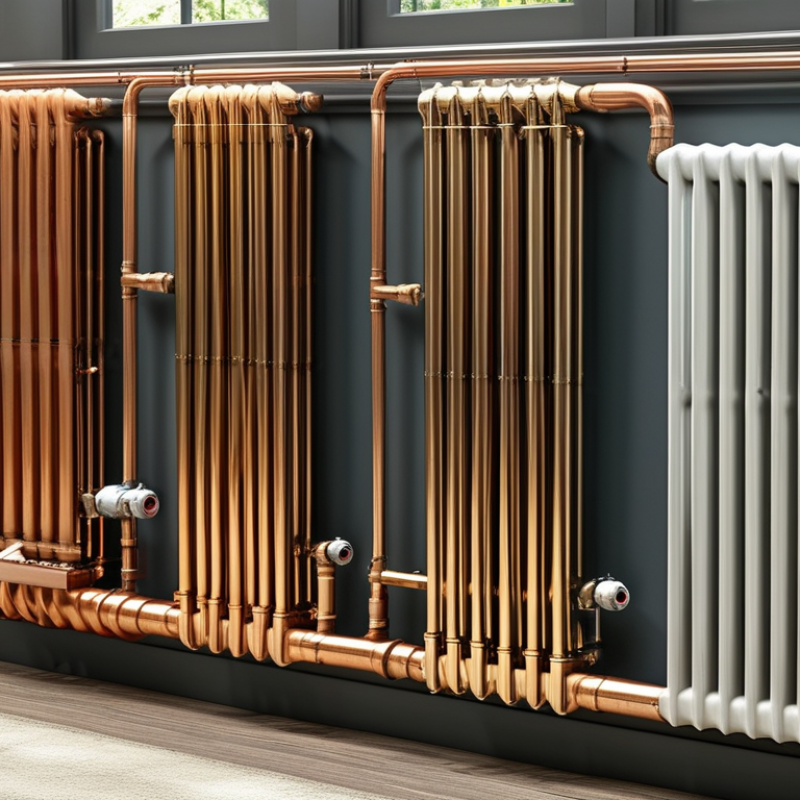
When selecting heater pipes, understanding their types and applications is crucial. Various materials offer unique benefits. For instance, copper pipes excel in heat conduction, making them ideal for quick heating. On the other hand, PVC pipes are light and resistant to corrosion, suitable for less extreme environments.
Consider your heating needs carefully. Will you be using it for residential or industrial purposes? Residential systems may benefit from flexible or insulated pipes that minimize heat loss. Industrial setups might need robust, heat-resistant materials to handle high temperatures.
Tips for choosing heater pipes include assessing the temperature range you require. Always check compatibility with your heating fluids. Consulting with professionals can provide tailored insights. Don’t forget to consider installation challenges. Improper setup can lead to inefficiencies. Reflecting on past experiences can guide your current choices. Remember, the right heater pipes enhance system performance.
Key Factors to Consider When Choosing Heater Pipes for Your Space
When selecting heater pipes for your space, several key factors come into play. The choice of material is crucial. Copper and PEX are popular options due to their durability. A study from the American Society of Heating, Refrigerating and Air-Conditioning Engineers (ASHRAE) indicates that copper pipes provide excellent heat transfer. However, they can corrode over time. PEX, on the other hand, is resistant to scale and chlorine. It's often easier to install, especially in tight spaces.
Another factor is the pipe diameter. Larger pipes can carry more water, which is essential for effective heating. Energy efficiency ratings also matter. In 2022, the Department of Energy reported that properly insulated pipes can improve heating efficiency by up to 30%. This suggests insulating pipes is not just about comfort; it's also about savings.
Tips for choosing heater pipes: Consider the specific heating demands of your area. Size and insulation should fit your unique circumstances. Additionally, consult local building codes. Non-compliance can lead to higher costs down the line. Do not underestimate the importance of installation quality. Poor installation can lead to leaks and inefficiency. Evaluate these factors carefully to ensure optimal performance.
How to Choose the Best Heater Pipes for Your Needs?
| Material |
Thermal Conductivity (W/m·K) |
Max Temperature (°C) |
Durability |
Cost ($/m) |
| Copper |
385 |
250 |
High |
15 |
| Aluminum |
235 |
200 |
Medium |
10 |
| PVC |
0.19 |
60 |
Low |
5 |
| Steel |
50 |
300 |
High |
12 |
| Brass |
109 |
250 |
Medium |
14 |
Comparing Material Options for Heater Pipes: Pros and Cons
When selecting heater pipes, the material is crucial. Common options include copper, PEX, and steel. Each has its advantages and drawbacks.
Copper is renowned for its durability and exceptional thermal conductivity. It resists corrosion and has a long lifespan. However, it can be expensive and may be difficult to install for beginners. Attention to detail is vital to avoid overheating, which could lead to leaks.
PEX, or cross-linked polyethylene, is flexible and lightweight. It’s easy to install, even for DIY enthusiasts. But PEX can degrade when exposed to UV light. It's less durable under high temperatures compared to metal pipes.
Steel is strong and offers excellent heat retention. It's ideal for high-pressure system applications. Yet, its weight makes installation more challenging.
Consider your specific heating needs. Analyze your budget, installation skills, and long-term requirements. Each material has its place and selecting the right one can drastically affect efficiency and comfort.
Sizing and Capacity: How to Select the Right Pipe Dimensions
Choosing the right pipe dimensions for your heating system is crucial. Factors like the type of heater, space size, and desired temperature all play a role. If the pipe is too small, it can lead to inefficient heating. On the other hand, oversized pipes can result in wasted energy and higher costs.
When sizing your heater pipes, consider the heat load required. This refers to the amount of heat needed to maintain your desired temperature. A calculation based on room size, insulation, and windows will help determine this. Smaller pipes might suffice for compact areas, while larger pipes are necessary for sprawling spaces with high heat demands.
Tips: Always account for future needs. You may want to expand or remodel later. Choosing a slightly larger pipe now could save hassle later. Regularly check pipe materials and ensure they are compatible with your heating system. For safety, it's wise to consult with a heating professional. Mistakes can lead to costly repairs.
Installation Tips and Maintenance for Optimal Heater Pipe Performance
When installing heater pipes, a few key points can optimize performance. Regular maintenance is crucial to ensure efficient operation. According to the American Society of Heating, Refrigerating and Air-Conditioning Engineers (ASHRAE), neglecting maintenance can reduce heating efficiency by as much as 30%. This is significant when considering rising energy costs.
Check for leaks and corrosion regularly. Minor leaks can cause major efficiency issues. A small drop can waste up to 20 gallons of water per day, leading to increased energy consumption. It's important to inspect joints and connections. Use insulating materials to prevent heat loss. This simple step can improve efficiency by 15%.
Consider the location of the heater pipes. Proper placement can enhance heat distribution throughout the space. Pipes should avoid cold areas to minimize heat loss. Keep the area around the pipes clean and free from obstructions. This promotes even heating and prevents unnecessary wear and tear on the system. Regular cleaning and inspection can lead to a longer lifespan for the system.