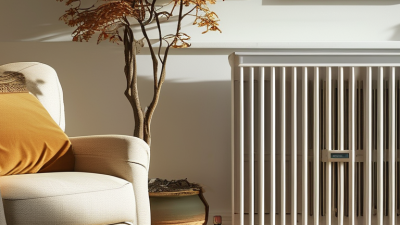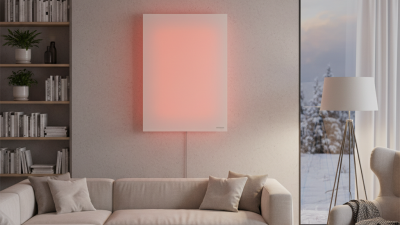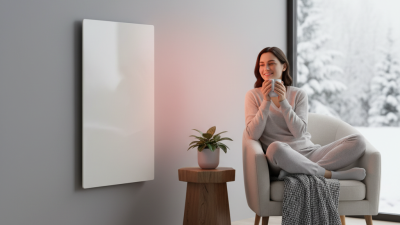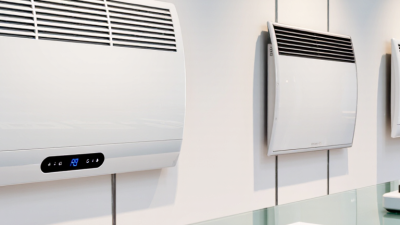
Choosing the best Infrared Panel Heater requires more than comparing wattage or glossy product images. The right model should match your room size, insulation, ceiling height, and daily heating habits. A cold bathroom needs different performance from a well-insulated bedroom. Placement matters, too. A panel mounted near a poorly sealed window may lose comfort before the thermostat reacts.
Simon Peat, an infrared-heating specialist, has expressed a useful principle: “The best heating system is designed around the room, not simply selected from a catalogue.” That idea deserves attention. Check the heater’s rated output, surface temperature, thermostat accuracy, timer functions, and safety certification. Look for clear manufacturer data. Vague promises about “instant savings” should create doubt. Running costs depend on electricity prices, usage time, insulation, and the temperature you choose.
Small details change the result. A wall-mounted panel should have open space around it. Furniture should not block its radiant surface. Some rooms may need two smaller panels instead of one large unit. That is easy to overlook. Room-sizing charts are helpful, but they are not perfect. Older properties can behave unpredictably, especially when draughts move across floors and doorways. A careful buyer should compare several products, read independent reviews, and ask whether replacement parts remain available. Comfort is personal. A technically efficient Infrared Panel Heater may still disappoint if its warmth does not reach the occupied areas.
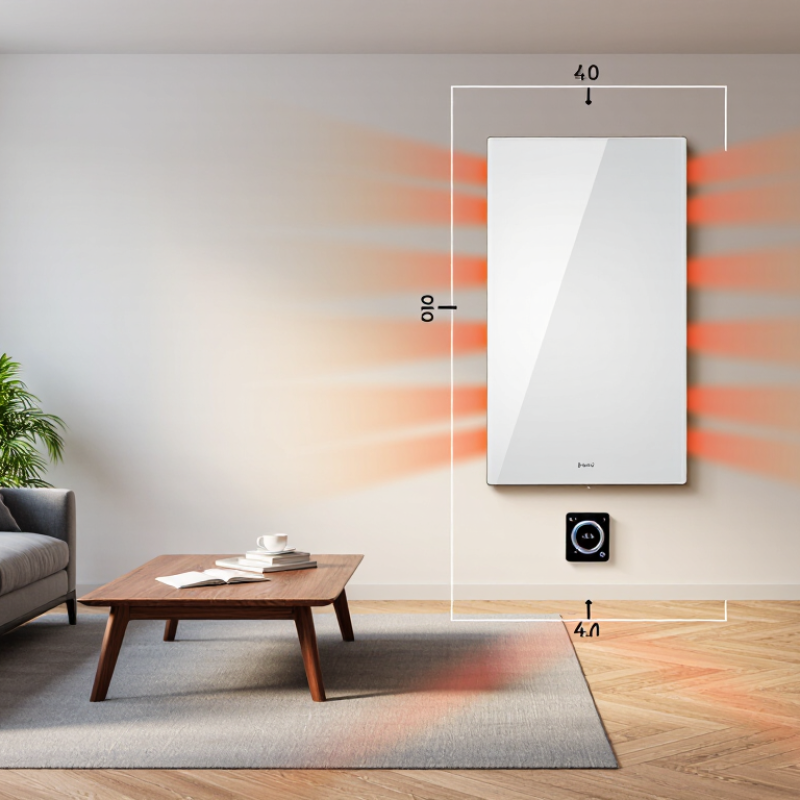
Start with the room, not the heater’s appearance. Measure floor area, ceiling height, window size, and insulation quality. A cold room with single-glazed windows needs more output than a small, well-insulated bedroom.
The International Energy Agency reports that buildings consume about 30% of global final energy. Space heating remains a major part of that demand, so accurate sizing matters.
A useful site assessment should include drafts, external walls, and the room’s usual occupancy. Bathroom heating may require careful electrical protection and suitable installation conditions. Bedrooms often need quiet, low-temperature comfort, while home offices may benefit from faster control.
Infrared panels warm surfaces and people directly, rather than heating air alone. Placement is therefore important. A panel blocked by furniture may perform poorly.
Do not rely only on a simple watts-per-square-metre rule. I have seen that shortcut produce overheated rooms and disappointing comfort. A heat-loss calculation based on room dimensions, local design temperature, and building fabric is more reliable.
European standard EN 12831 provides a recognised method for calculating design heat load. The UK government’s Standard Assessment Procedure also stresses insulation, ventilation, and heating controls when evaluating home energy performance.
Check thermostat accuracy, timer functions, panel surface temperature, and installation instructions. Independent test evidence is preferable to dramatic advertising claims.
I would also question whether one panel can heat several separated rooms. Sometimes it cannot. That practical limitation is easy to miss.
Infrared panel heaters convert electricity into heat through resistive elements, then release it as radiant energy. Unlike fan heaters, they warm nearby surfaces and people before raising room-air temperature. The U.S. Department of Energy states that electric resistance heating is 100% efficient at the point of use. However, that does not guarantee lower running costs. Electricity prices and room insulation still matter.
Panel types behave differently. Carbon-film panels usually offer broad, gentle surface heating and slim designs. Ceramic panels store heat longer, but they may respond more slowly. Metal-element panels can heat quickly, though surface temperature and control quality need careful checking. Infrared performance also depends on installation height, viewing angle, and furniture placement. The International Energy Agency reports that buildings consume about 30% of global final energy. Small control mistakes can become expensive.
Tips: Check the wattage, thermostat accuracy, and safety certification. Use a room thermometer, not touch alone. Compare timed operation with a heat pump, because IEA research finds heat pumps can deliver several units of heat per unit of electricity. That comparison is often missed. Also inspect insulation first; a powerful panel cannot correct cold windows or constant drafts. Some claims about “far-infrared” health benefits remain weakly supported, so judge the heater by measurable comfort, controls, and energy use.
Compare infrared heater types by their typical surface temperature. Lower-temperature panels generally provide gentler, more even radiant heating, while high-temperature technologies can deliver faster, more concentrated heat. Actual performance depends on wattage, room insulation, installation height, controls, and ventilation.
How to Choose the Best Infrared Panel Heater?
Energy efficiency starts with the electricity meter, not the product label. The U.S. Department of Energy states that electric resistance heaters convert nearly 100% of consumed electricity into heat at the point of use. However, generation and transmission losses still affect environmental performance. The IEA’s Buildings report shows that buildings use about 30% of global final energy. Small efficiency gains matter.
Check heat output against the room’s actual heat loss. CIBSE Guide A recommends considering room size, insulation, windows, ventilation, and local outdoor temperatures. A 600-watt panel may warm a small, insulated office, but it can struggle beside a cold, single-glazed window. Radiant placement also matters. Mounting near the occupied area can improve comfort without raising the whole room temperature.
Calculate running costs before buying. Use this formula: power in kilowatts × operating hours × electricity tariff. An 800-watt panel running for five hours uses 4 kWh. At $0.30 per kWh, that costs $1.20. Simple enough. Yet thermostats, standby consumption, and cycling can change the result. That estimate is imperfect. A two-week meter test can reveal more than a brochure. Compare daily kWh, room temperature, and operating hours, then adjust the setting carefully. A lower purchase price may not help if the panel runs continuously.
Choosing the best infrared panel heater starts with its installation location. A wall-mounted unit can free floor space, but it needs a solid, heat-resistant surface. Ceiling mounting spreads warmth differently and may suit rooms with limited wall area. Measure the room, nearby furniture, and required clearances before drilling. I once treated a narrow wall as unused space, then discovered a door blocked the panel’s heat path. That mistake changed my planning habits. Check the mounting instructions and local electrical requirements. A qualified electrician should inspect fixed wiring, especially in older homes. Portable models offer flexibility, but their cables need protection from foot traffic and moisture. Small details matter.
Controls shape daily comfort and energy use. A reliable thermostat should respond steadily, not switch constantly when sunlight enters the room. Look for adjustable temperature settings, a weekly schedule, and a clearly visible display. Remote access can help, though it is not essential for basic heating. Child locks prevent accidental changes, while open-window detection may reduce wasted heat. Safety features deserve close attention. Overheat protection, automatic shutoff, and secure mounting reduce avoidable risks. In bathrooms or utility rooms, confirm the heater’s protection rating and permitted installation zone. Ordinary indoor equipment may be unsuitable. Keep curtains, bedding, and furniture outside the stated clearance. I prefer simple controls, but that preference is not universal. An elderly user may need larger buttons and clearer feedback.
Choosing the best infrared panel heater starts with room size, not appearance. Measure the floor area, ceiling height, window size, and insulation quality. A poorly insulated room may need more output than a small, well-sealed room. Check the manufacturer’s heating guidance carefully. These figures are useful, but they are not perfect.
Panel design affects both comfort and placement. A slim white panel may blend into a bright wall, while a printed surface can become a visual feature. Ceiling installation can save wall space, but furniture may block wall-mounted heat. Leave clear space around the panel, and follow the installation instructions. A qualified electrician should check the electrical connection when required.
Tips: Compare purchase price, controls, running costs, and expected service life. A cheaper heater can become expensive if its thermostat is inaccurate. Look for adjustable temperature settings, timers, and overheat protection. Test the controls before fixing the panel permanently. I once focused too much on appearance and overlooked control access. That was an avoidable mistake. Choose value that remains practical every day, not just attractive in a product photo.