Top 10 Heater Pipes for Efficient Heating Solutions?
In recent years, efficient heating has become a priority in many sectors. Heater pipes play a crucial role in this process. According to the International Energy Agency, optimizing heating systems can reduce energy consumption by up to 30%. This significant reduction not only lowers costs but also lessens the environmental impact.
Industry expert Dr. Emily Carter states, “Investing in high-quality heater pipes can enhance overall performance and energy efficiency.” Her experience outlines how the right materials and designs can drastically improve heating efficiency in residential and industrial applications.
Selecting the top heater pipes requires knowledge and analysis. While many products claim to be effective, not all meet the required standards for durability and efficiency. Identifying the best options involves understanding specifications, material types, and intended applications. Reflecting on these aspects can lead to better choices that benefit both users and the environment.
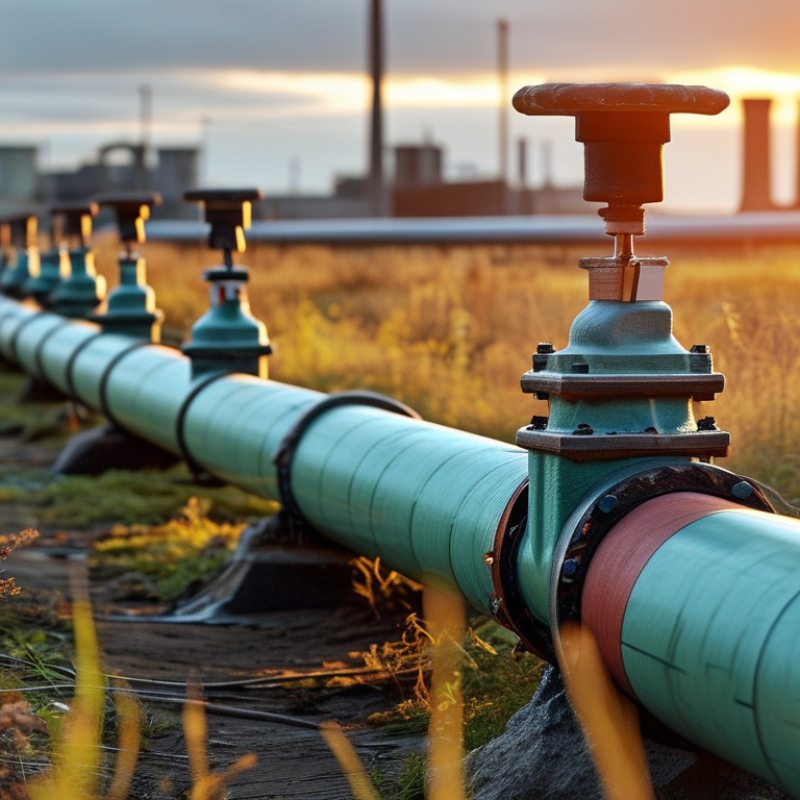
Top 10 Durable Heater Pipes for Maximum Thermal Efficiency
When choosing heater pipes, durability and efficiency are essential. High-quality materials significantly impact thermal performance. For instance, stainless steel pipes resist rust and corrosion, enhancing longevity.
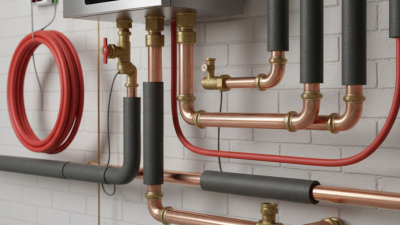
Copper pipes also offer impressive thermal transfer but may require careful handling due to their malleability.
Tips: Regular maintenance helps maintain efficiency. Check for leaks and replace worn sections promptly. Insulation can enhance performance by minimizing heat loss. Consider investing in thicker insulation for optimal results.
Another factor to consider is the pipe diameter. Wider pipes allow more water flow, increasing heating efficiency. However, this may lead to higher energy consumption. Balance between pipe size and energy use is crucial.
Tips: Always consult a heating professional when in doubt. They can help determine the best pipe size for your system. Monitor energy bills to gauge the effectiveness of your heating solutions.
Analysis of Material Types: Copper, Steel, and PVC for Heater Pipes
When it comes to heater pipes, the choice of material significantly affects efficiency.
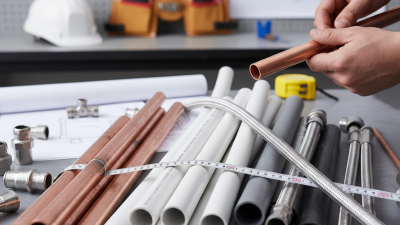
Copper, steel, and PVC
are common options, each with its strengths and weaknesses.
Copper is known for excellent thermal conductivity, which enhances heating efficiency.
However, it can be costly and prone to corrosion over time.
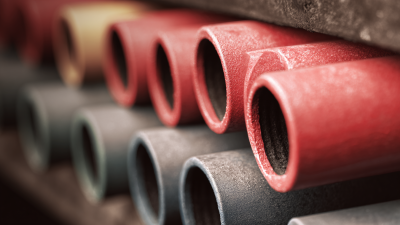
Steel offers durability and strength, making it ideal for high-pressure systems.
But, it can rust if not properly coated or maintained.
PVC is lightweight and resistant to corrosion, yet it's less efficient at transferring heat compared to metals.
Tips: Always consider the environment where pipes will be installed.
If corrosion is a concern, steel may not be the best choice.
Think about long-term costs, not just initial expenses. Choosing a material that requires less maintenance can save money in the long run.
It's essential to balance cost, efficiency, and durability when selecting heater pipes.
A common oversight is underestimating the impact of material on overall heating performance.
Evaluating the specific needs of your heating system can lead to better choices and less frustration later.
Heat Transfer Rates: Comparing Performance of Different Heater Pipe Materials
When considering heater pipes, material choice significantly impacts heat transfer rates. Different materials exhibit varied efficiencies in conducting heat. For instance, copper is widely recognized for its high thermal conductivity, making it a top choice for many heating applications. However, while it transfers heat effectively, it can be more expensive and prone to corrosion.
Aluminum is another popular option. It offers a good balance between performance and cost. Although its thermal conductivity is lower than copper, it is much lighter. This can simplify installation in certain settings. Still, aluminum pipes may need protective coatings to resist corrosion over time.
Plastic pipes are less efficient but suitable for specific environments. They have lower heat transfer capabilities, but their resistance to corrosion and lower cost make them attractive in certain applications. Always consider the intended use and environment when selecting materials. Each choice has its pros and cons that may not always be obvious but are crucial for an efficient heating system. Understanding these aspects can guide you to make informed decisions.
Cost-Effectiveness: Long-Term Savings with Efficient Heating Solutions
Heating your home efficiently is more than just comfort; it’s about savings. Investing in the right heater pipes can lead to substantial long-term cost reductions. Efficient systems consume less energy, translating to lower utility bills over time. A thoughtfully designed setup ensures that heat disperses evenly, reducing hot and cold spots within the space.
Consider that not all systems are created equal. Some may promise high efficiency but fail in real-world applications. It's crucial to analyze the material and insulation of the pipes. Well-insulated pipes lose less heat, ultimately saving you money. Regular maintenance also plays a role. A neglected system can lead to inefficiencies and unexpected costs.
Assess your specific needs and the size of your space. Investing time in research can pay off significantly. Think about how different setups might impact your lifestyle. An informed decision can bring you comfort while keeping expenses in check. Embrace the opportunity to reflect on your heating choices. Explore various options to find what truly works best for you.
Installation and Maintenance Tips for Optimal Heater Pipe Performance
Proper installation and maintenance of heater pipes are critical for achieving optimal performance. According to the Energy Efficiency and Renewable Energy Office, poorly maintained systems can lose up to 30% of their efficiency. Regular inspections can identify leaks, which are often a source of heat loss. Sealing joints can greatly enhance heat retention. Ensure that insulation is intact; this can reduce energy costs significantly, by up to 20%.
Cleaning the pipes is essential to maintain airflow. Dust and debris can accumulate, leading to blockages. The American Society of Heating, Refrigerating and Air-Conditioning Engineers (ASHRAE) suggests a cleaning schedule at least once a year. During this process, check for rust or corrosion. These issues can signal deeper problems. Ignoring them can lead to expensive repairs.
Additionally, the type of material used in heater pipes influences their lifespan and efficiency. Copper pipes can last over 50 years, while plastic options may need replacement after 10-20 years. It's essential to consider the long-term implications of pipe material choices. Over time, this affects heating performance and overall costs, which may not be immediately apparent. Regular assessments and timely upgrades will ensure a stable heating system.
Top 10 Heater Pipes for Efficient Heating Solutions
This chart illustrates the thermal conductivity of different types of heater pipes, providing insights into their efficiency as heating solutions. High thermal conductivity indicates better heat transfer, making materials like copper and aluminum more efficient compared to others like PVC and Foam.